
By Peacewell Makhurane, Junior Programme Officer
The Raoul Wallenberg Institute (RWI) Harare office in collaboration with the Zimbabwe Gender Commission (ZGC) recently conducted a four-day training workshop on Gender Responsive Monitoring of Correctional facilities for the ZGC staff.
The training builds on the 2025 capacity development initiative that enhanced the Commission’s capacity to address international prison standards in its work in promoting protecting and advancing human rights and gender equality through research, advisory services, monitoring and training activities. The training increased participants’ understanding of the UN Standard Minimum Rules for the Treatment of Prisoners (Mandela Rules) and the UN Rules for the Treatment of Women Prisoners and Non-custodial Measures for Women Offenders (Bangkok Rules). One of the significant outcomes of the 2025 workshop was the need for the development of a toolkit for Gender Responsive Monitoring of Correctional facilities for the ZGC to support integration of the principles of the Bangkok and Mandela Rules into its prison monitoring activities.
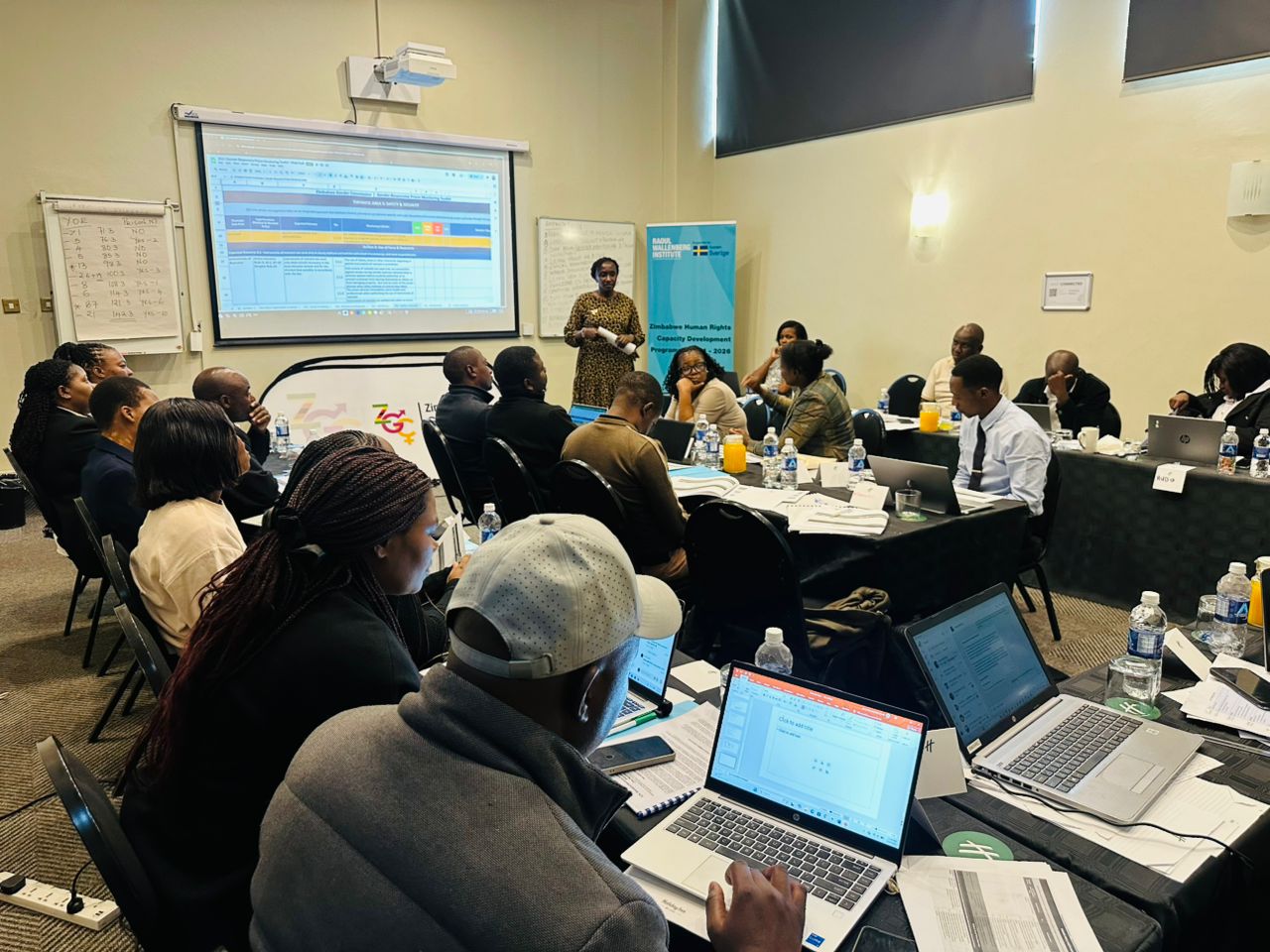
In early 2026, RWI supported the development of the toolkit for Gender Responsive Monitoring of Correctional facilities. This training provided an opportunity for ZGC staff to review and validate the draft toolkit and receive practical training on its application. The toolkit is designed to serve as a standardised guide for gender-responsive prison monitoring, including structured checklists and protocols for assessing key human rights and gender-related issues within correctional facilities.
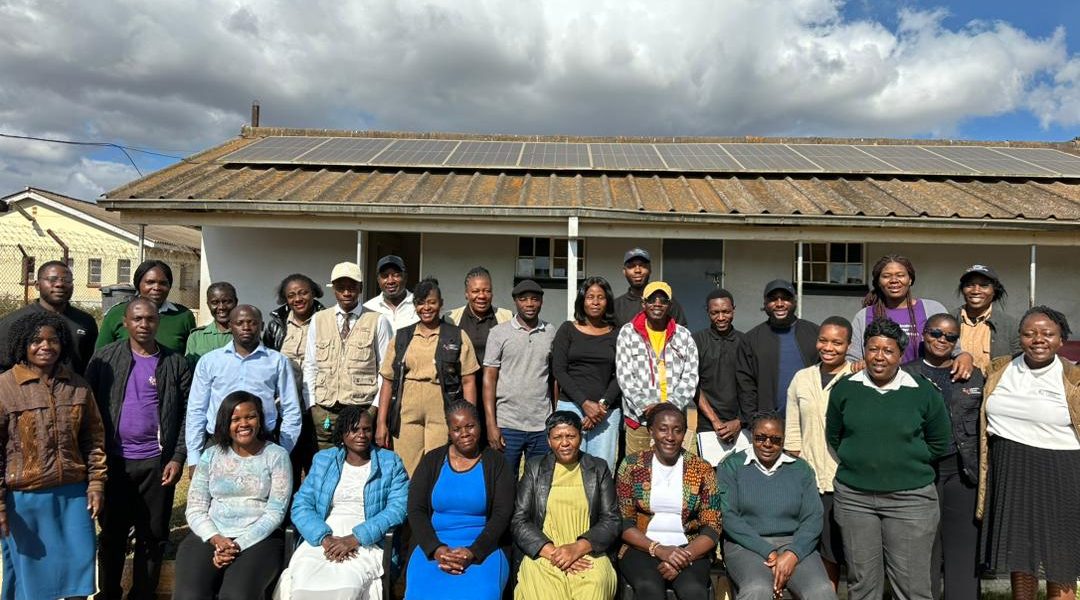
The training included a two-day practical prison monitoring exercise at Chikurubi Female Prison, where participants applied the toolkit to assess detention conditions and evaluate compliance with gender-responsive and human rights standards, including the Nelson Mandela Rules and the Bangkok Rules. The exercise involved inspections of prison facilities, engagement with prison management and staff, and interactions with inmates to understand their experiences and challenges. The visit aimed to promote constructive engagement and improve the treatment, care, rehabilitation, and protection of female inmates. Following the exercise, the Commission shared preliminary findings and will prepare a comprehensive report with recommendations for prison authorities.
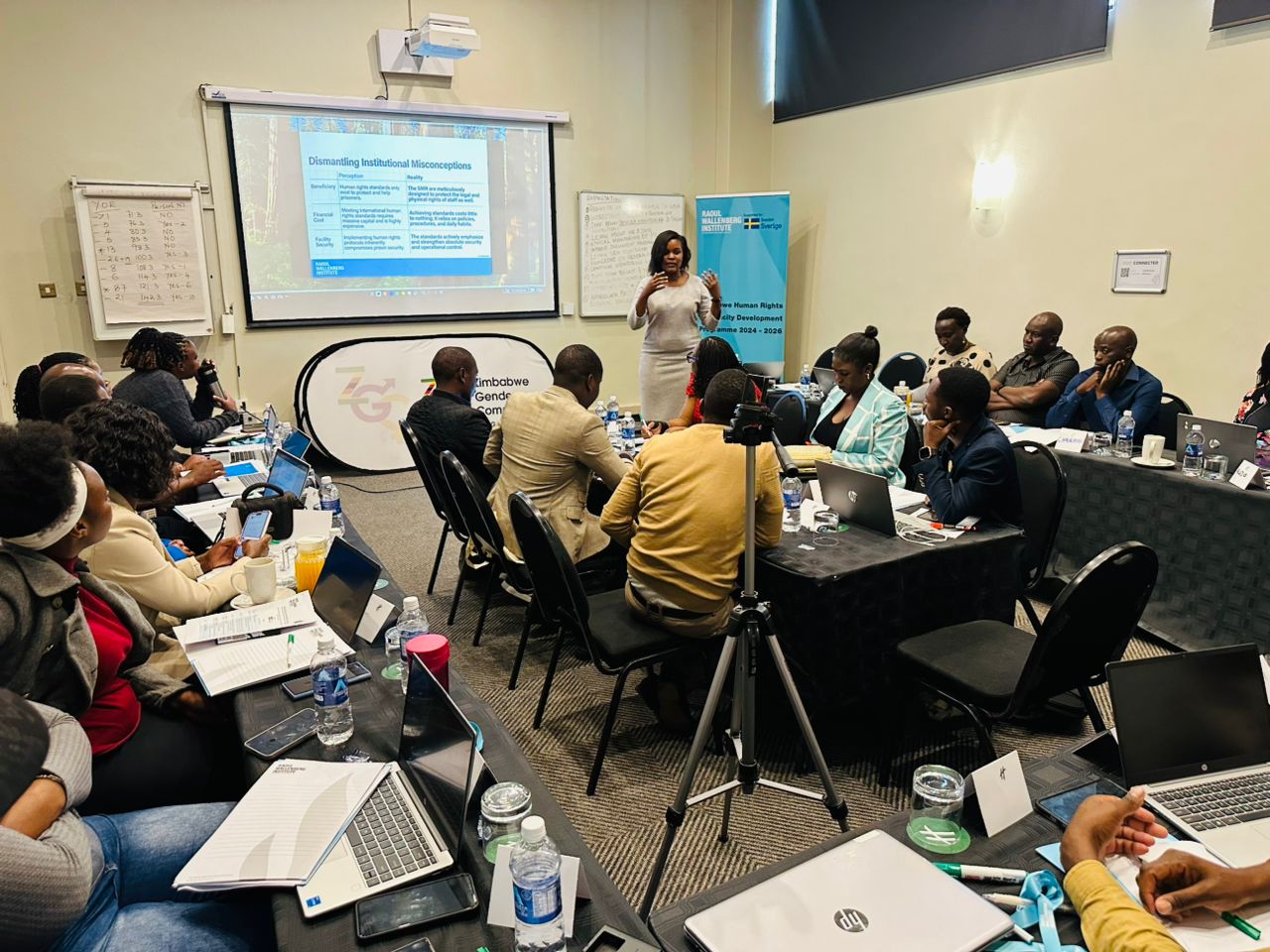
The training enhanced the capacity of ZGC to effectively carry out its prison monitoring exercise, aimed at assessing welfare of female inmates and other gender and human rights related issues in correctional facilities for compliance with the international prison standards. The ZGC aims to work in close collaboration with the ZPCS to promote humane, safe, and gender-responsive correctional environments that uphold the dignity and rights of inmates.
The training was conducted within the framework of cooperation between RWI and ZGC under the RWI Zimbabwe Human Rights Capacity Development Programme 2024–2026, funded by the Embassy of Sweden in Zimbabwe.