
By Clemence Velon, Communication Associate
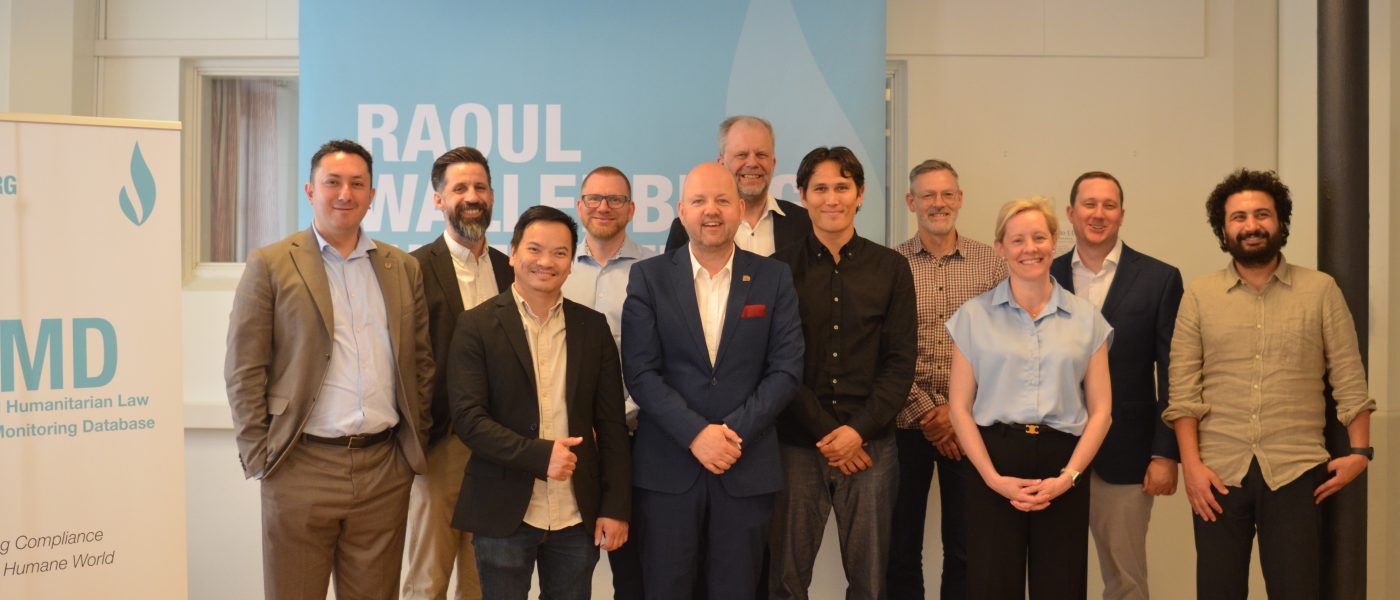
The Raoul Wallenberg Institute of Human Rights and Humanitarian Law (RWI) convened in Lund a second consultation with experts in cyber-security and technology, focusing on the development of the International Humanitarian Law Compliance Monitoring Database (ICMD).
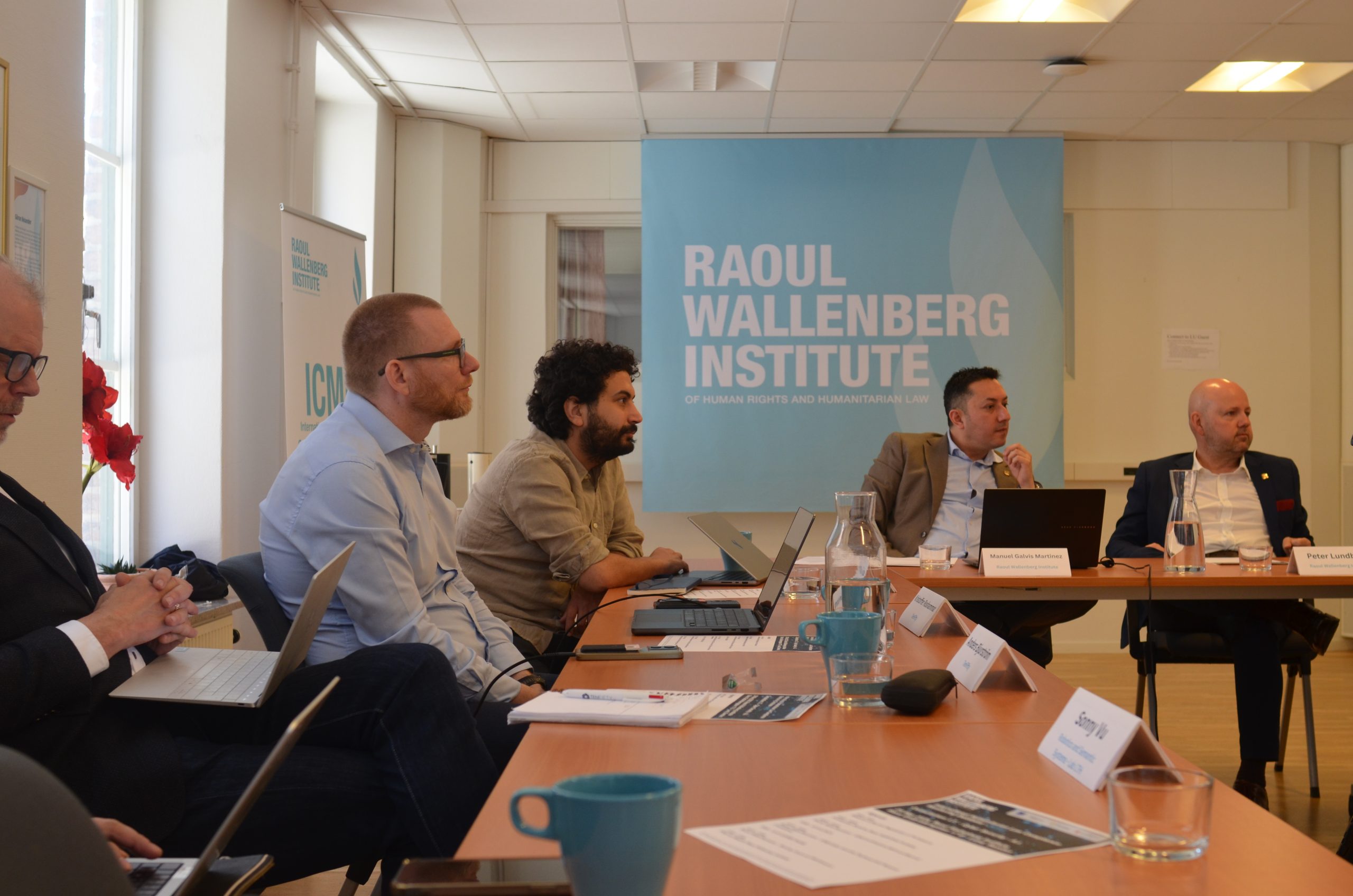
The day started with general introductory remark by Peter Lundberg – RWI Executive Director, followed by a morning session on the architecture of the ICMD platform, exploring both the Minimum Viable Product (MVP) as well as future development opportunities. Participants exchanged perspectives on system functionality, scalability, and strategic priorities for the platforms.
During the afternoon, discussions turned to cyber security considerations, with a particular focus on both technical safeguards and personal procedures. Participants exchanged on the importance of combining robust technological tools with clear operational practices to ensure secure and resilient digital systems.
The final round table addressed the question of the running costs and maintenance, examining the practical and financial requirements necessary to support the ICMD system over time. The consultation concluded with a wrap-up session led by the Raoul Wallenberg Institute, summarizing key challenges and next steps for continued collaboration and development.
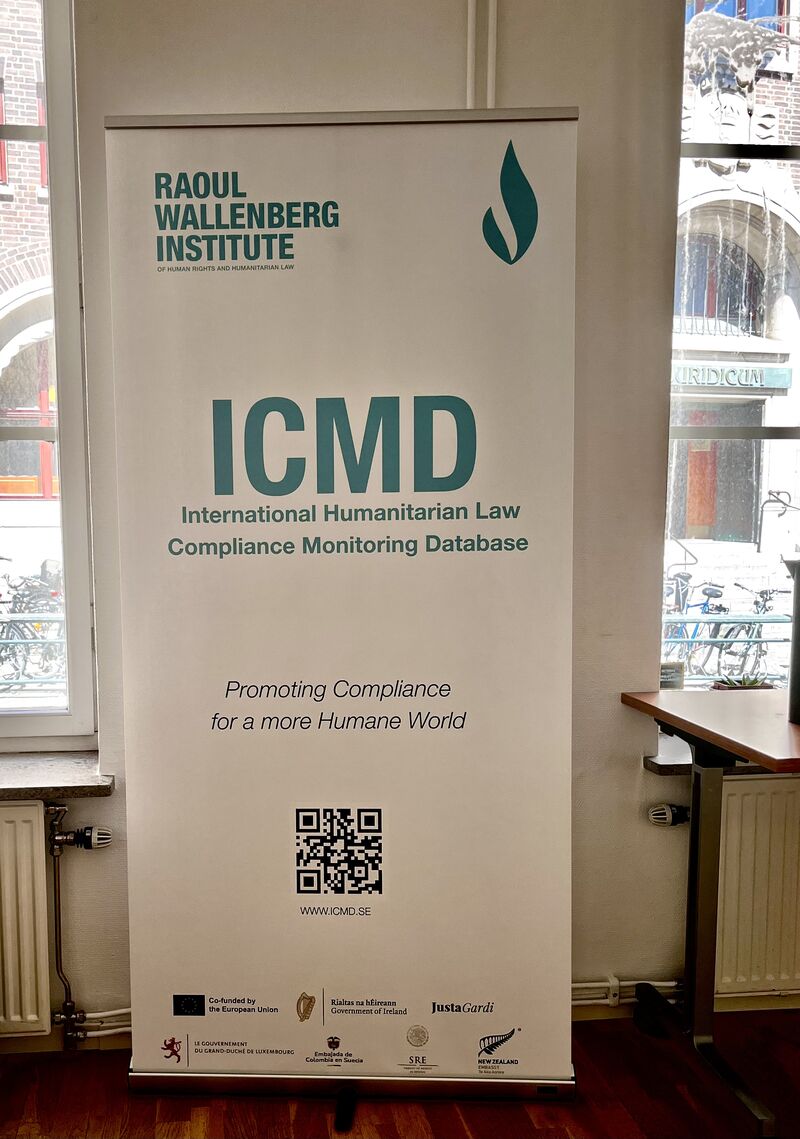
Launched in 2024, the International Humanitarian Law Compliance Monitoring Database (ICMD) is a collaborative initiative led by RWI aimed at strengthening understanding of compliance with international humanitarian law and supporting principled humanitarian action. This consultation forms part of a broader series of expert engagements planned across areas including data methodologies, legal and ethical considerations, information technology and cybersecurity, and engagement with actors on the ground.
For more information about ICMD, visit: https://icmd.se/
Funded by the European Union. Views and opinions expressed are however those of the author(s) only and do not necessarily reflect those of the European Union or DG ECHO. Neither the European Union nor the granting auhtority can be held responsible for them.