
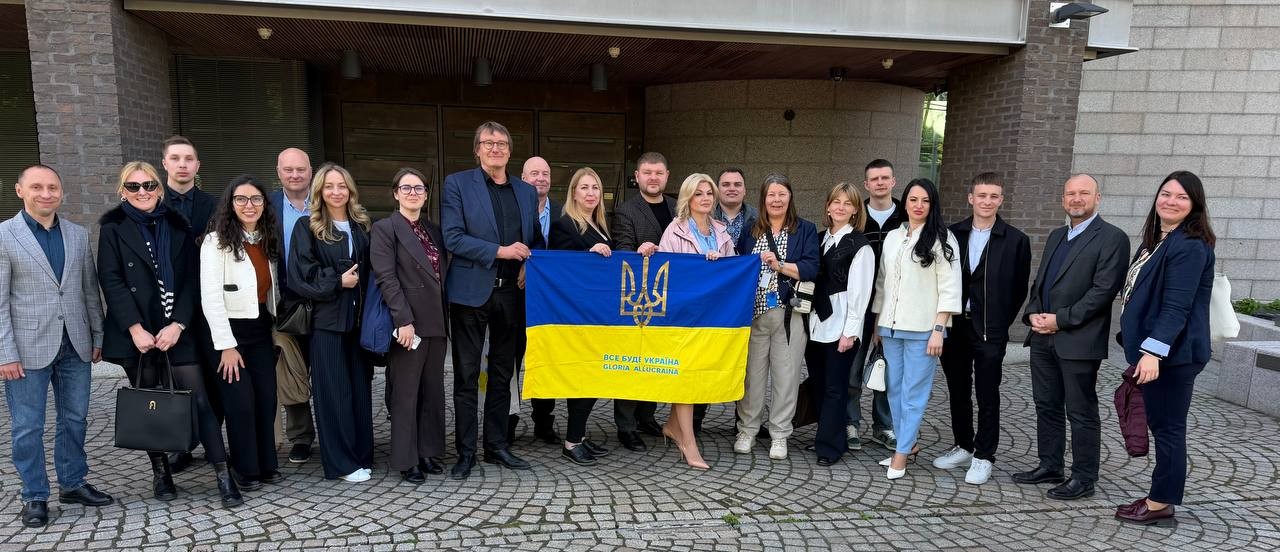
By Halyna Kokhan, Programme Officer
Human rights protection in prisons and places of detention remains a key component of Ukraine’s ongoing penitentiary reform in the framework of the European integration efforts. To support these processes, the Raoul Wallenberg Institute of Human Rights and Humanitarian Law (RWI) organised a study visit to Sweden and Finland from 25–29 May 2026 for representatives of the Ministry of Justice of Ukraine, the State Criminal-Executive Service (Office for the Protection of the Rights of Convicts and Persons Taken into Custody of the Department for the Execution of Criminal Sentences), the Penitentiary Academy of Ukraine, and the National University “Ostroh Academy”. The core objective of the visit was to familiarise the delegation with Finnish and Swedish approaches to protecting human rights, focusing on the practical implementation of standards such as the Nelson Mandela Rules and European Prison Rules and examining training models for penitentiary staff.
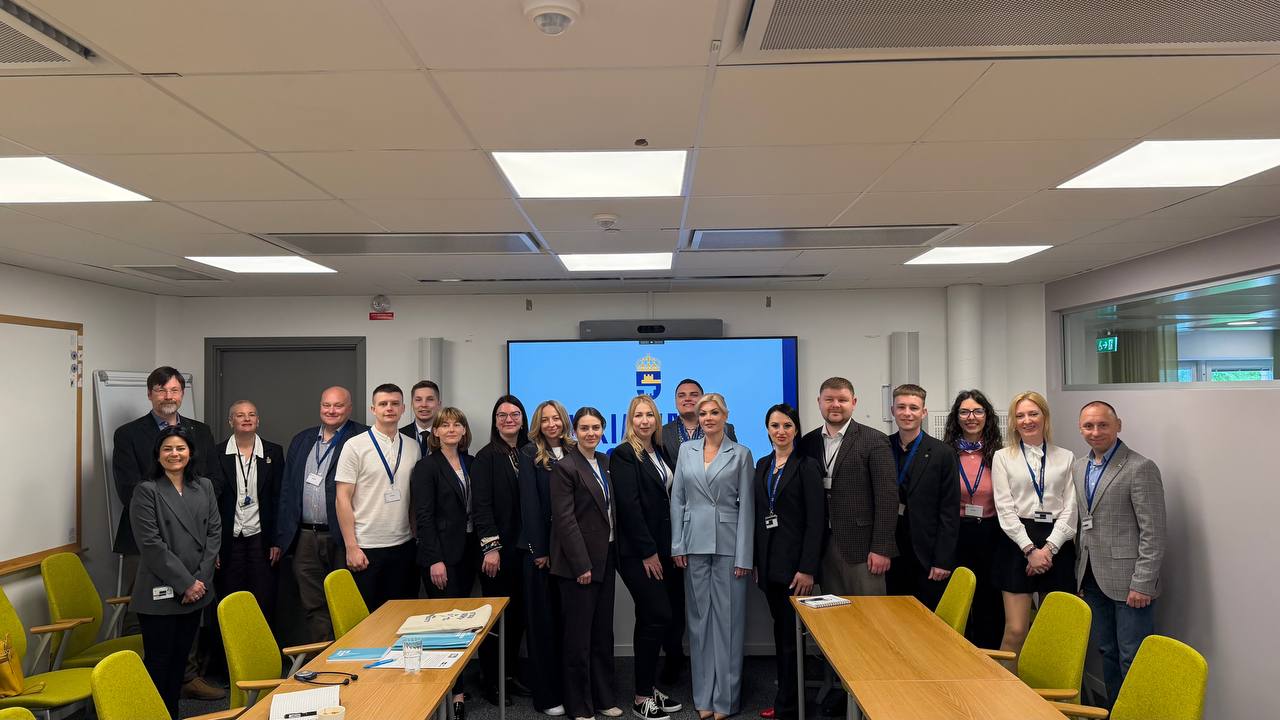
Reflections from the Delegation
Throughout the visit, participants gained valuable insights into how Scandinavian institutions operate in practice embedding human rights into their daily routine.
Yuliia Litvinova, Head of the Office for the Protection of the Rights of Convicts and Persons Taken into Custody of the Department for the Execution of Criminal Sentences, State Criminal-Executive Service of Ukraine highlighted that “The study visit allowed us to deepen our knowledge of the conditions of detention of prisoners in the countries visited, the procedure for imposing disciplinary sanctions and appealing against them, and the opportunity to file complaints regarding violations of rights.”
Viktoriia Hermanenko, State Expert at the Directorate for Strategic Planning and European Integration, Ministry of Justice of Ukraine shared her key takeaway: “The Scandinavian experience shows that the effectiveness of a penitentiary system is not determined by the number of policies in place or the height of its fences, but by its capacity to act flexibly within the rule of law and to create an environment that respects human dignity in places defined by isolation”.
Adding a strategic policy perspective, Iryna Zharko, Head of the Expert Group on Donor Assistance Coordination at the Ministry of Justice of Ukraine, emphasized the practical utility of the visit for future reforms: “The study visit provided practical understanding of how international and European human rights standards are integrated into the activities of penitentiary institutions and state policy in the field of execution of sentences. The experience gained will be particularly useful in preparing the next strategy for reforming the penitentiary system of Ukraine, as it will allow taking into account successful practices aimed at ensuring human rights, resocialization of convicts and reducing the level of recidivism”.
Reflecting on the synergy between academia and operational practice, Maria Matviichuk, Head of the Department of Criminal Law Disciplines at the National University “Ostroh Academy,” noted: “The study visit provided an opportunity to gain an in-depth understanding of modern approaches to the protection of human rights within the penitentiary system and to compare the Ukrainian experience with advanced Swedish and Finnish practices. Cooperation between Ukrainian institutions and Swedish and Finnish practitioners clearly demonstrated the power of synergy between academia and practice, which is essential for the effective reform of Ukraine’s penitentiary system. It is particularly valuable that Ostroh Academy is part of such an important international dialogue. The knowledge and insights gained will undoubtedly serve as a strong foundation for my future academic work”.
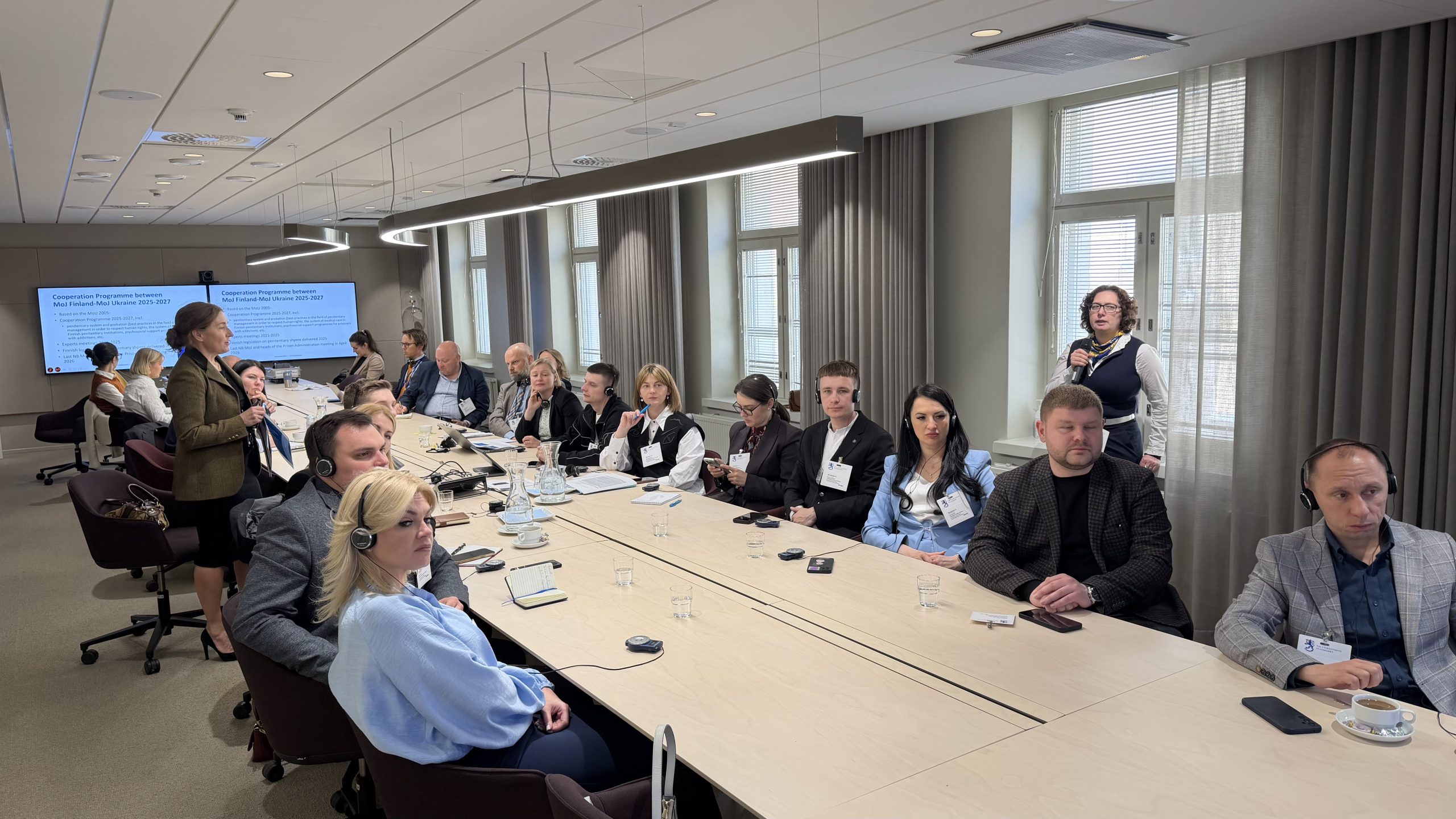
Learning from Swedish Practices
Days 1 & 2: Stockholm, Sweden The visit began with an introduction to the Swedish Prison and Probation Service (SPPS) and an intereting and “helicopter” view meeting with their human rights expert and a training unit. The delegation conducted visits to Huddinge Remand Prison and Österåker Prison to observe the living and working conditions of prisoners and the procedural aspects of admission and release and communicate with prison staff.
Maksym Sykal, Vice-Rector at the Penitentiary Academy of Ukraine, remarked: “The visit to Huddinge Remand Prison provided an opportunity to gain insight into the key procedural aspects of the institution’s work… What impressed me most was the balance between maintaining security and ensuring the rights of detainees. As a representative of an educational institution, I was particularly impressed by the demonstration provided by instructors from the SPPS training unit, showcasing how penitentiary staff respond in situations involving physical resistance by prisoners. We were also introduced to the principles and structure of basic staff training, viewed through the lens of human rights protection and respect for human dignity”.
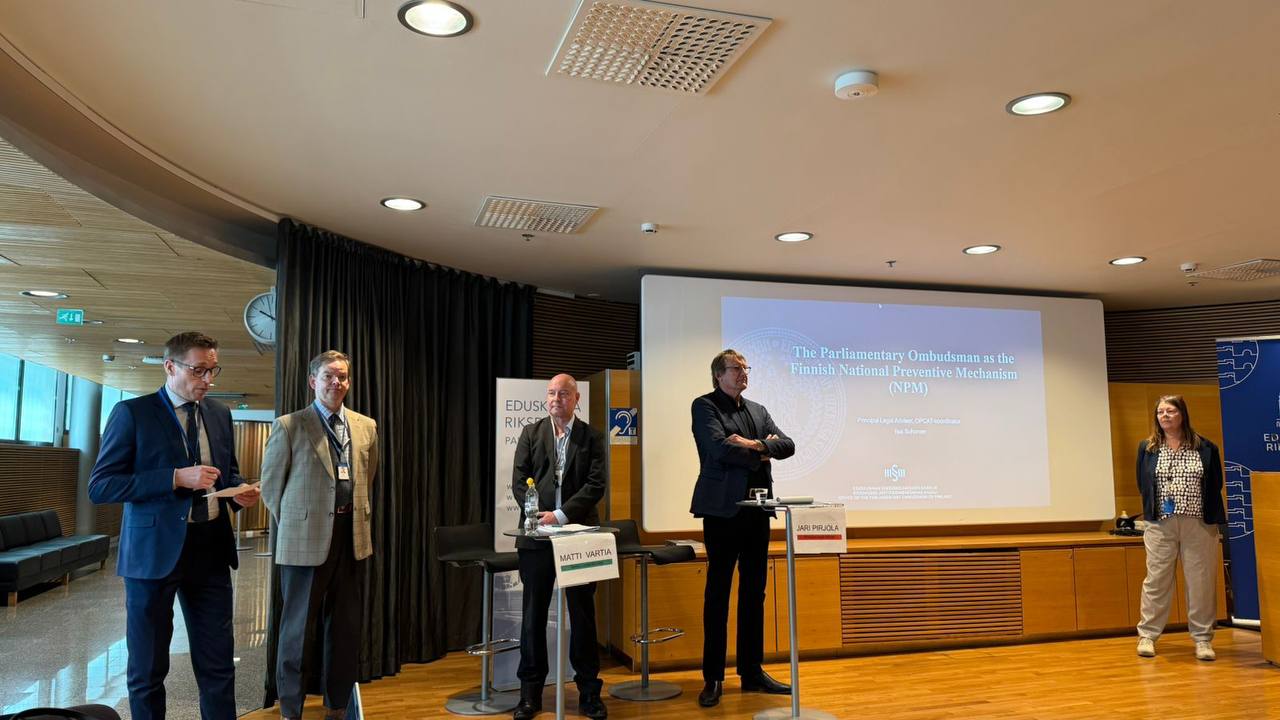
Exchanges with Finnish Counterparts
Days 3 & 4: Helsinki, Finland After flying to Helsinki, the delegation visited Helsinki Prison. This was followed by comprehensive exchanges at the Training Institute for Prison and Probation Service, where Finnish colleagues presented their oversight and regulatory models as well as demonstrated training facilities including a simulation cell for practicing searches. The meetings featured mutual exchanges; representatives of the Ukrainian delegation presented on the role of human rights inspectors during wartime and how the Penitentiary Academy of Ukraine prepares its staff. The day concluded at Laurea University of Applied Sciences, focusing on how prisoners’ human rights are integrated into bachelor’s and master’s degree studies.
Day 5: Wrapping Up in Finland On the final day, the delegation visited the Office of the Parliamentary Ombudsman where the delegation was greeted by the Parliamentary Ombudsman of Finland Doctor of Laws Jari Råman and attended the meaningful meetings at the Ministry of Justice of Finland. Discussions focused on Finnish criminal policy, human rights in the penitentiary system, and Ukraine’s necessary reforms in the context of Chapter 23 of the EU acquis, as well as legislative adaptations prompted by the war in Ukraine presented by the Ministry of Justice of Ukraine representatives.
Looking Ahead
The visit concluded with a collaborative wrap-up session led by the RWI representative. Participants discussed key reflections, takeaways, and outcomes, while establishing partnerships and setting sustainable follow-up steps. Moving forward, these initiatives will include compiling a comprehensive compliance report for senior inspectors regarding custody standards, rights of convicted persons, and torture prevention. Additionally, the outcomes will drive youth and student lectures, update the “Criminal Executive Law” training course, improve internal penitentiary regulations in Ukraine enhancing its human rights protection component, and generate publications to foster ongoing academic and expert discussions on human rights.
RWI extends its sincere gratitude to the Swedish Prison and Probation Service, the Finnish Prison and Probation Service, the Office of the Parliamentary Ombudsman of Finland, and the Ministry of Justice of Finland. We deeply appreciate their efforts in organising this comprehensive, well-structured study tour, their valuable contributions to the programme, and their role in facilitating open, constructive dialogues with the Ukrainian delegation.
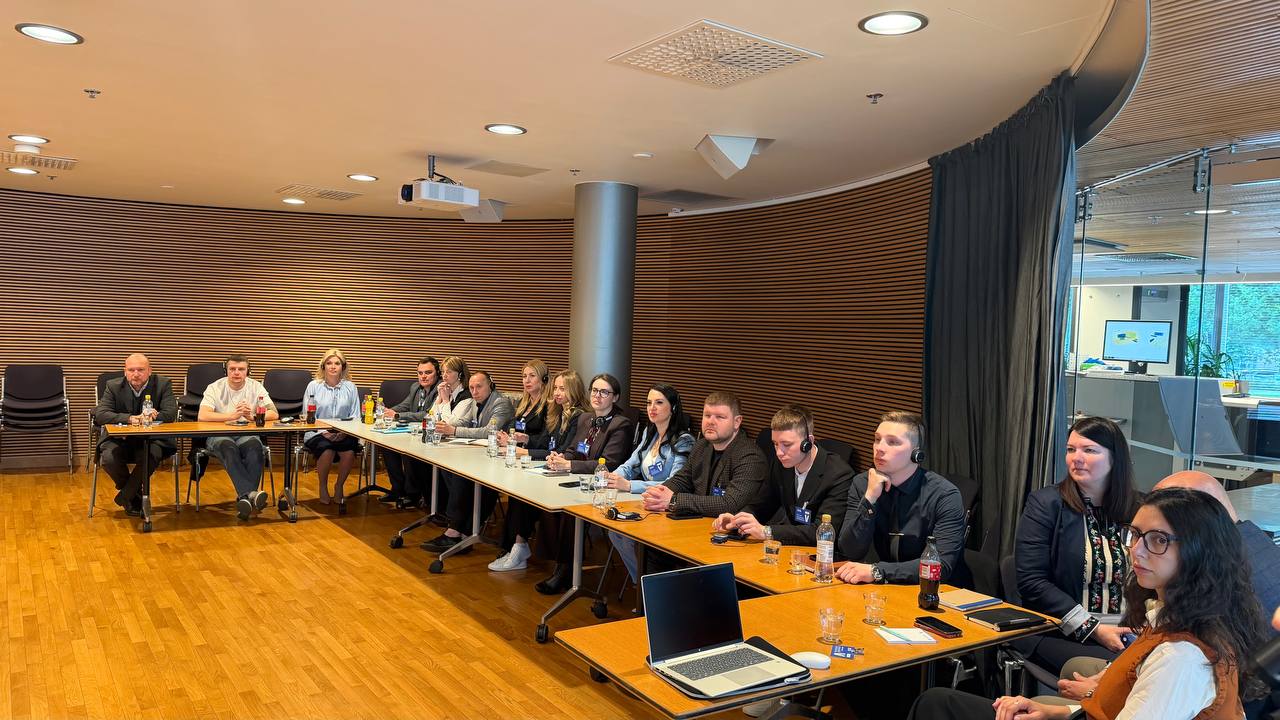
The study visit contributed to strengthening professional networks and expanding knowledge on rights-based approaches to prison management, staff training, and oversight mechanisms. The lessons learned will support ongoing efforts to align Ukraine’s penitentiary system with European standards and international human rights obligations.
Learn more about our Ukraine Programme: here.