
By Tatsiana Rahozina, Junior Programme Officer
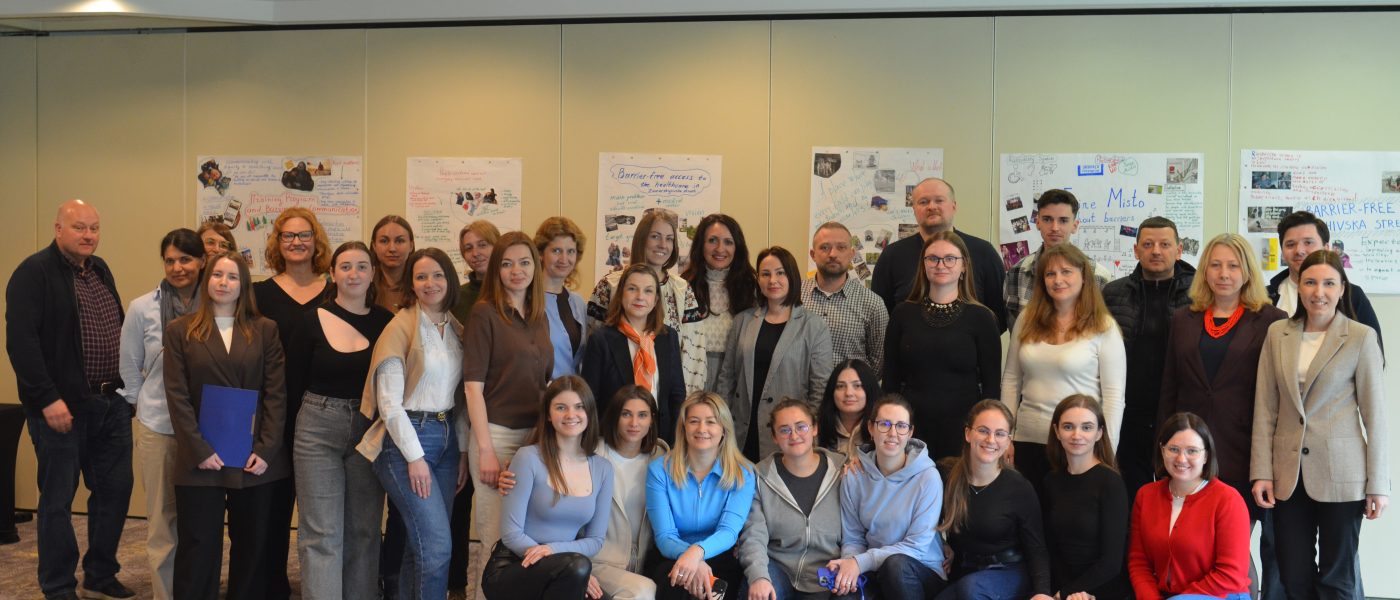
An insightful and dynamic week of the EUcation training in Gdańsk has come to end, empowering participants to develop stronger initiatives for barrier-free public spaces and services in Lviv. These efforts are firmly grounded in the human rights standards and values essential for Ukraine’s path toward EU accession.
The EUcation training programme: combining expertise for a real impact
Together with our partners at Lund University and Lviv Bureau of European Integration, RWI have recently finalised its EUcation – Urban Governance for Human Rights and EU Integration training programme which aimed to enhance skills and knowledge of human rights, EU integration, inclusive and barrier-free urban governance of 30 representatives of the local government in Lviv. This training used diverse learning components, such as online modules on Canvas, in-person workshops, study visits, online lectures and seminars, as well as training of trainers.
The EUcation programme has been led by experts from the Raoul Wallenberg Institute. RWI’s Senior Advisor Zuzana Zalanova, who brings extensive experience in working with the application of a human rights-based approach (HRBA) in public institutionsm including in Ukraine and Eastern Partnership countries, shares key takeaways from the final training in Gdańsk:
“People make the place. This was one of the key messages during our EUcation training in Gdańsk, where we focused on supporting the city of Lviv in strengthening its support for veterans and persons with disabilities in their everyday life through a human rights–based approach. Being in the symbolic city of Gdańsk further underscored how cities can transform for the better, playing a vital role in both national recovery and EU integration.”
Anna Bruce, Senior Researcher at RWI, who has contributed to the programme with her long-standing expertise on the Convention on the Rights of Persons with Disabilities (CRPD), as well as her rich experience of working with the application of HRBA in municipalities, emphasizes the importance of actively applying the CRPD:
“The war has pushed disability human rights to the forefront of Ukraine’s agenda at all levels, including the local. Lviv shows that rapid, meaningful progress is possible even now. Grounding efforts in the CRPD helps avoid past mistakes. This includes prioritising inclusion of people with psychosocial, neurological and intellectual disabilities—not just physical and sensory—and recognising persons with disabilities as experts. The work must address the full spectrum of rights, not only health, and pair accessibility with efforts to challenge stereotypes and prejudice.”
As the programme covers also the topic of the EU integration, Anamaria Dutceac Segesten, Senior Lecture in European Studies and Deputy Dean of the Joint Faculties of Humanities and Theology at Lund University, together with her colleague Iveri Kekenadze Gustafsson, Doctoral Student, have enriched the EUcation training with valuable expertise in the field of EU accession and its crucial aspects such as the EU Regional policy and Multiannual Financial Framework.
Furthermore, Bernadette Kiss, Lecturer at the International Institute for Industrial Environmental Economics, shared specialised knowledge in learning and transformation processes, and innovation systems in urban settings, leading the training of trainers (ToT) component of the programme.
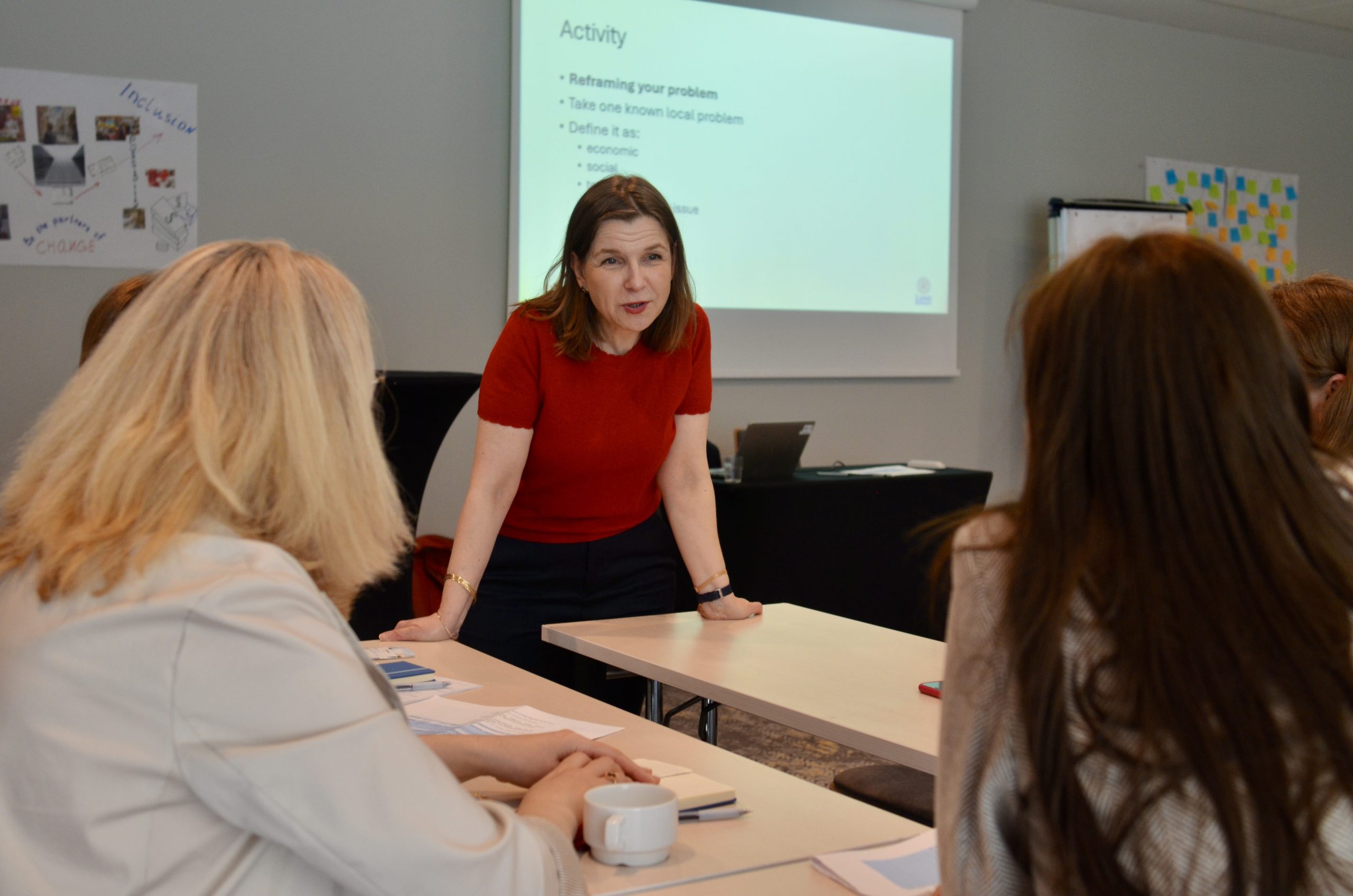
Building on a strong team of experts and driven participants, the EUcation training programme has contributed to enhancing participants’ practical initiatives to strengthen Lviv’s efforts towards being a city where barrier-free and inclusive governance is practiced based on the human rights standards and values necessary for Ukraine’s EU integration. More importantly, it has reinforced the objective of ensuring that every person with disabilities and veteran gets access to good quality services and is treated with dignity.
From problem to solution
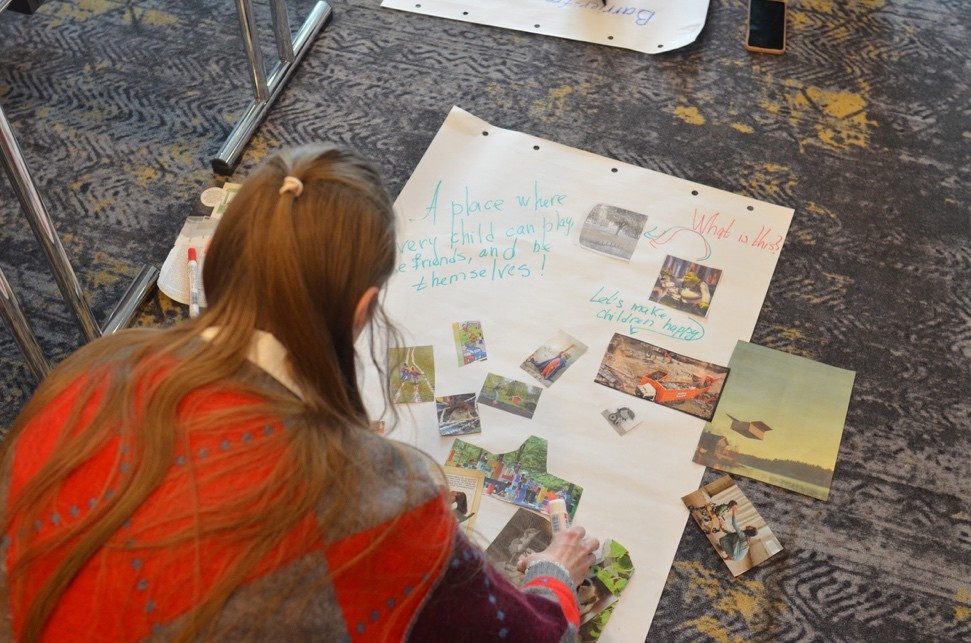
Throughout the EUcation training programme, participants worked on individual or group initiatives, focusing on addressing the lack of accessibility in Lviv. After identifying the problem, participants developed an objective tree, which would guide them in how identified problem can be addressed through several concrete measures. Among the initiatives, four participants developed two trainings, multiplying knowledge transfer among other colleagues and actors.
Following this, participants were asked to create or build on the initiative that would clearly contribute to solving the identified problem. As such, some of the participants decided to develop new initiatives to fill the existing gaps, while others decided to build on the existing initiatives for strengthening their alignment with EU human rights standards and values.
The second in-person module of the EUcation training programme in Gdańsk therefore aimed not only at introducing participants to good practices of Polish organisations but also creating space for participants to further reinforce their initiatives.
Highlights from Gdańsk
During the week in Gdańsk, EUcation participants had the opportunity to strengthen their initiatives through individual feedback on initiatives sessions with Zuzana Zalanova and Anna Bruce. Participants also worked on developing posters and elevator pitches under the guidance of Bernadette Kiss and Alexandra Hertz, which they presented on the last day of the training. Participants also had an opportunity to discuss their initiatives with Polish colleagues.
“During the EUcation training in Gdańsk, I gained a more holistic understanding of how issues of accessibility and human rights are integrated into EU policies and how this is directly linked to Ukraine’s European integration process. In particular, it became clearer how EU standards are transformed into specific requirements for local self-government—from inclusive urban planning to ensuring equal access to services.” – EUcation participant
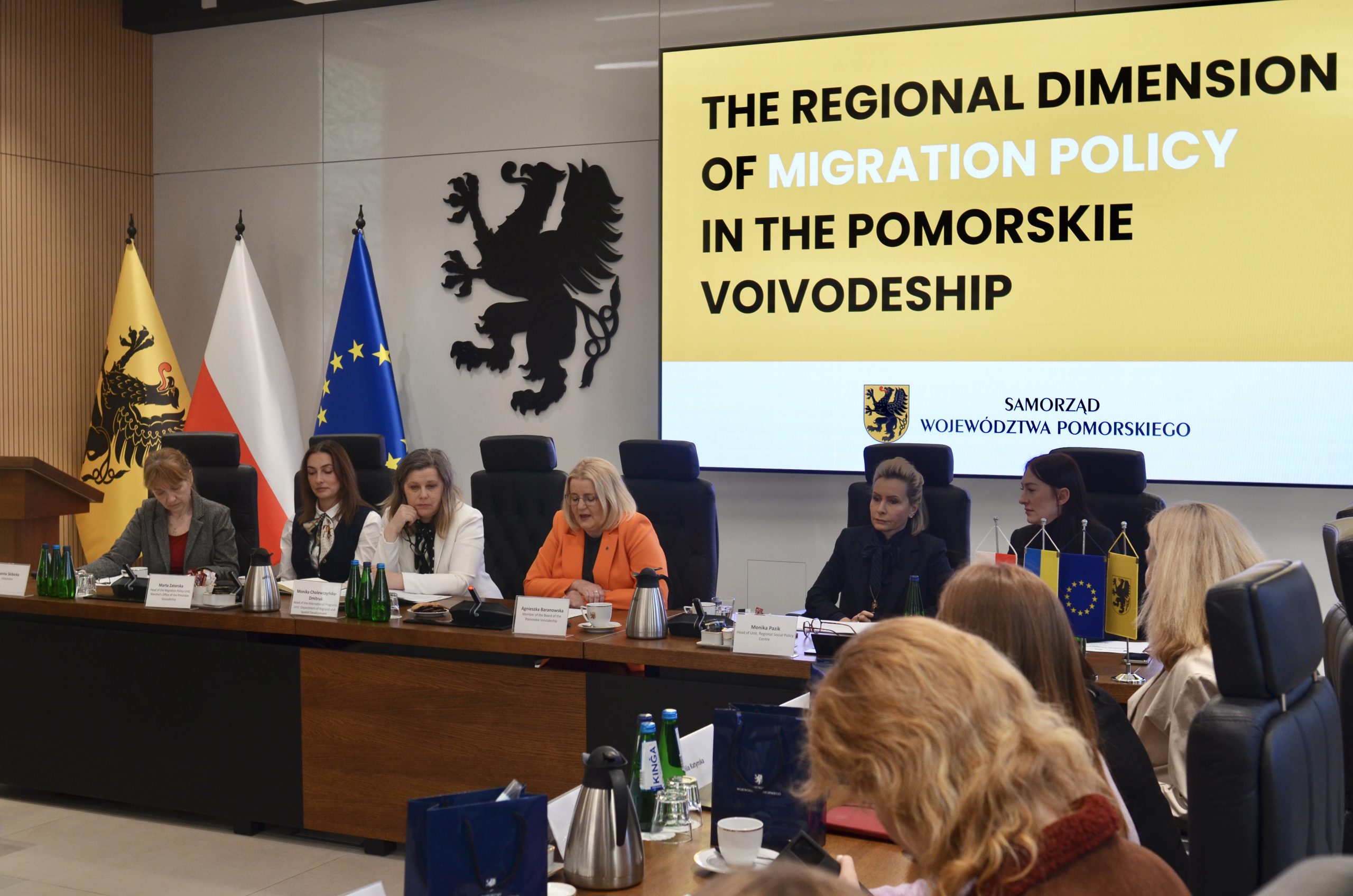
The EUcation training in Gdańsk has also facilitated meetings between participants, partners, and representatives of Polish and Gdańsk-based organisations such as the Union of Baltic Cities (UBC), European Solidarity Centre (ECS), city of Gdańsk, Office of the Marshal of the Pomorskie Voivodeship, Association “Okno na Świat” and Gdańska Galeria Zmysłów.
“I was deeply impressed by the presentations of Polish non-governmental organizations working with persons with disabilities. The understanding that persons with disabilities represent potential, rather than “recipients of benefits,” is probably the key takeaway from the training.” – EUcation participant.
“The EUcation training program significantly strengthened my capacity, as a public authority representative, to promote human rights and develop urban governance in Lviv in line with EU standards and values. First and foremost, it provided a more structured understanding of how human rights principles can be integrated into everyday administrative practice, rather than remaining only at the level of strategic documents… It is also worth highlighting the exchange of experience with participants from other cities and countries, which helped me see alternative approaches to urban governance and adapt best European practices to the local context. This has strengthened my ability to implement changes that respond both to community needs and to EU standards.” – EUcation participant.
Moving forward
Although the training has come to end, together with our partners and participants we are looking ahead with a clear understanding of the needs and ideas to further elevate the impact of the EUcation programme.
In line with the words of one of the participants, “Everything I heard and experienced during the training and visits, I want to share with my colleagues and also implement everything planned to help facilitate Ukraine’s steps toward joining the EU, starting with my own organization”, the next step in the EUcation project is to develop and carry out a stakeholder conference in Lviv later this year. The conference will serve as a platform to increase awareness among a larger group of local government representatives in Lviv and its region on the practices and added value of aligning with human rights and barrier-free, inclusive urban governance standards. The conference will also build on the EUcation participants’ strengthened knowledge and skills enabling them to act as changemakers in their districts, departments, units as well as in their engagement efforts with local stakeholders beyond the city council.
The project has been funded by the Swedish Institute.
Learn more about the project at: Our work in Ukraine – The Raoul Wallenberg Institute of Human Rights and Humanitarian Law
Learn more about our partners: Lund University, Faculty of Humanities and Theology (LUX), the Lviv Bureau of EU Integration, and the Ukrainian Catholic University.