
By: Cornelia Walles, Communications Associate
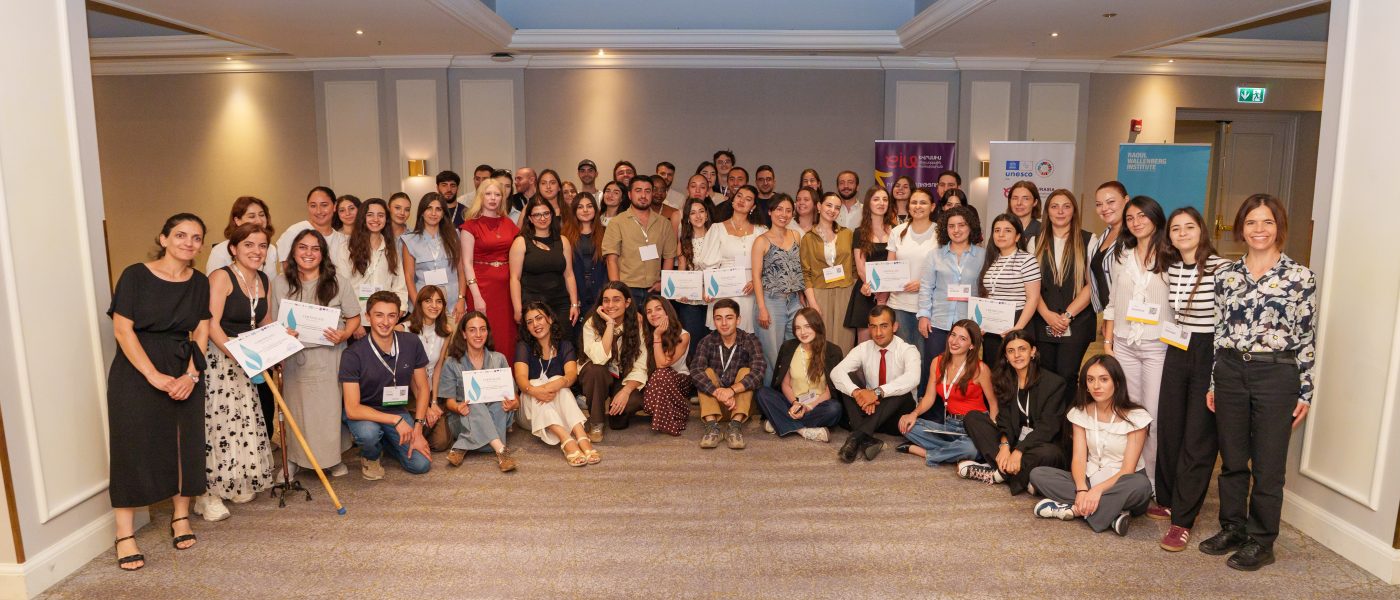
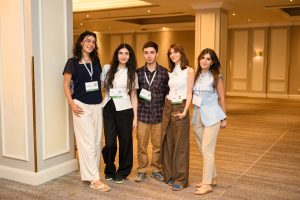
The Raoul Wallenberg Institute’s Armenia office, in collaboration with Armenian upcoming CBD-COP17 Presidency, Ministry of Environment in Armenia, Ministry of Foreign Affairs of Armenia, Swedish Embassy in Armenia, Belgian Embassy in Armenia, Eurasia International University and Defend Bio, organised a Youth Biodiversity COP17 Simulation in Yerevan, Armenia, from 5–7 August 2026. The event brought together students, researchers, young professionals, and activists aged 17–35 from Armenia and abroad to explore the future of biodiversity governance through a realistic United Nations negotiation experience.
“The idea for the COP17 simulation for youth was developed independently by the RWI Yerevan office team and the EIU team. Once we realised that both teams were planning to organise a similar activity, we decided to bring our efforts together rather than duplicate each other’s work. This allowed us to create something more meaningful and impactful. This kind of collaboration is very much in line with how RWI approaches its work across different areas.” – Meline Avagyan, Programme Officer, Yerevan Office
The strong interest in the COP17 simulation reflected a growing desire among young people to engage in international environmental decision-making.
“The interest was clear: more than 200 young people applied to take part. It was a powerful reminder that young people are not waiting to be invited into these conversations, they are actively looking for ways to be part of them.” – Claudia Ituarte-Lima, Senior researcher and Principal Investigator, Biodiversa+ Defendbio
 Photos by Spartak Avetisyan
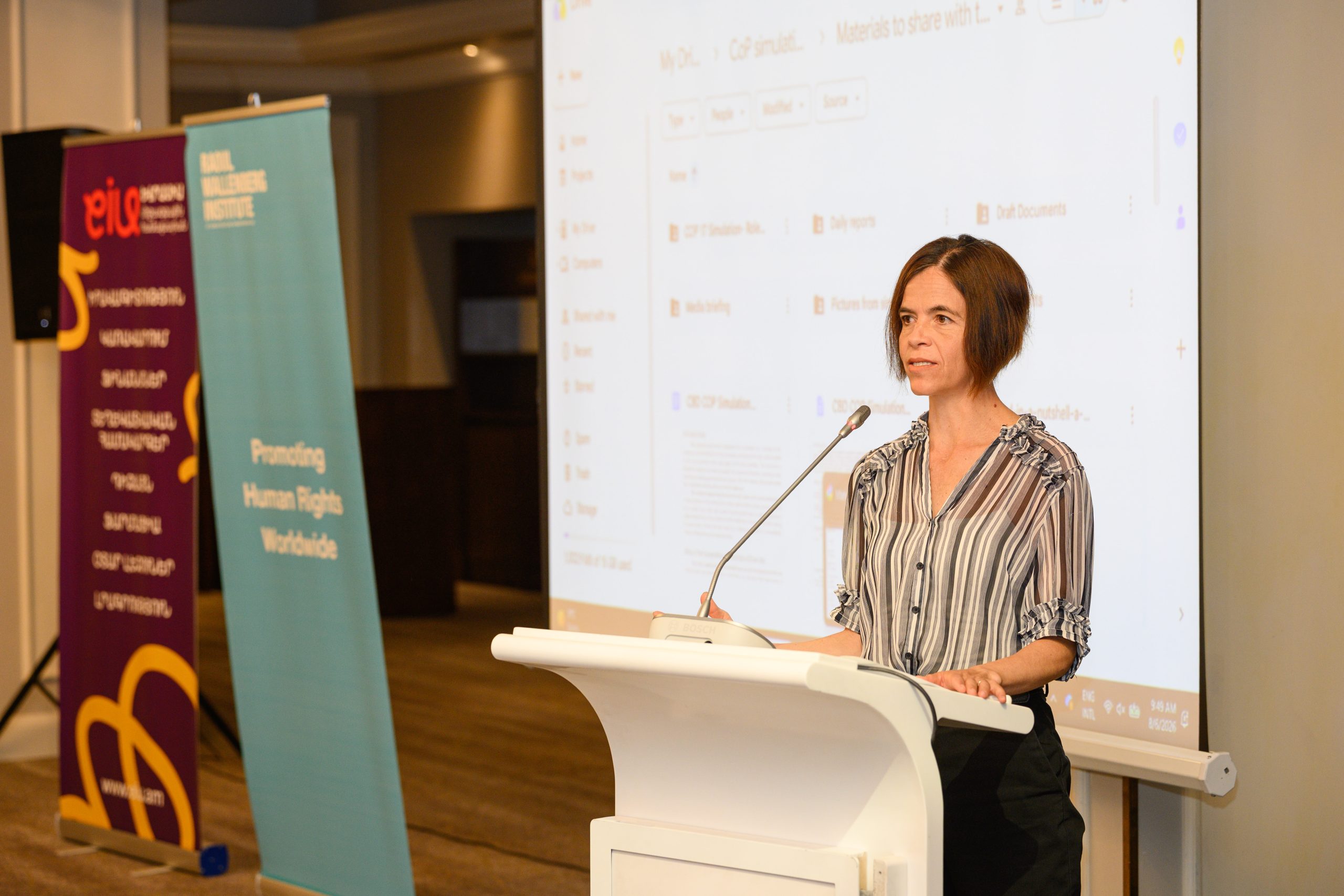
The simulation opened with remarks from Voskehat Grigoryan, Head of the Department for Specially Protected Areas of Nature and Biodiversity Policy at the Ministry of Environment of Armenia; Arman Melkumyan, Focal Point for Youth at the Incoming COP17 Presidency, Ministry of Foreign Affairs of Armenia; and Sara Öberg Höper, Deputy Head of Development Cooperation at the Embassy of Sweden. Anna Khvorostiankina, UNESCO Chairholder and Jean Monnet Professor, also contributed to the opening programme. The participants were further welcomed by representatives of the Raoul Wallenberg Institute, including Claudia Ituarte-Lima, Senior researcher and Principal Investigator, Biodiversa+ Defendbio, Arman Gasparyan, Deputy Director and Programme Officer, and Meline Avagyan, Programme Officer. The opening was followed by a keynote speech from Ms. Francoise Jacob, the UN Resident Representative in Armenia, who reflected on the importance of youth engagement in global environmental governance and answered questions from participants.
Representing a wide range of academic and professional backgrounds, participants stepped into the roles of country delegates, scientists and experts, civil society representatives, media observers, Indigenous Peoples, Local Communities and Afro-descendant representatives, as well as youth advocates.
Throughout the three-day simulation, participants engaged in multilateral negotiations, policy drafting, coalition-building, stakeholder dialogue, crisis-response exercises, and discussions on youth-led environmental governance. The programme focused on biodiversity and climate governance, environmental human rights, international diplomacy, and pathways towards sustainability, resilience, and global cooperation.
Key themes included:
- Environmental human rights
- Biodiversity finance
- Climate adaptation and ecosystem restoration
- Rights of Indigenous Peoples, Local Communities, and Afro-descendants
- Science-policy interaction
- Youth participation, gender equality, and inclusive governance
- Synergies between the Rio Conventions and other international legal frameworks
By recreating the dynamics of international environmental negotiations, the simulation provided participants with practical insights into how global biodiversity decisions are shaped and highlighted the important role of young people in advancing inclusive and effective environmental governance.
Meline Avagyan, highlighted the broader aim and impact of the initiative:
“I am happy to say that the simulation achieved its main goal: equipping young people from Armenia and other countries with a better understanding of how international biodiversity negotiations take place focusing on human rights and why young people should have an active and meaningful role in these processes. Participants also learned about different opportunities and mechanisms for youth participation, including the GYBN, whose representative took part in the simulation as well. I think this event was proof that when different actors come together for a goal bigger than themselves, in this case, empowering young people on environmental and human rights issues, the results can be truly special.”

Photos by Spartak Avetisyan
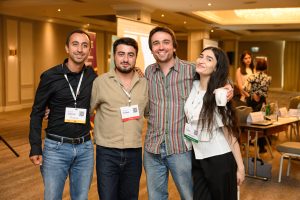
For participants, the simulation offered an opportunity not only to explore complex international negotiations, but also to gain practical knowledge and experience of multilateral decision-making.
“I truly enjoyed the whole experience and learned a lot about how international negotiations and decision-making processes actually work.” – Youth Participant
The outcomes and recommendations developed during the simulation will contribute to the COP17 Yerevan Declaration on Biodiversity Action, to be presented in Armenia during COP17, taking place from 18–30 October 2026.
A special thank you to Alla Aleksanyan and Mery Margaryan for their invaluable contribution to making the simulation a success.

Photos by Spartak Avetisyan