
By: Cornelia Walles, Communications Associate
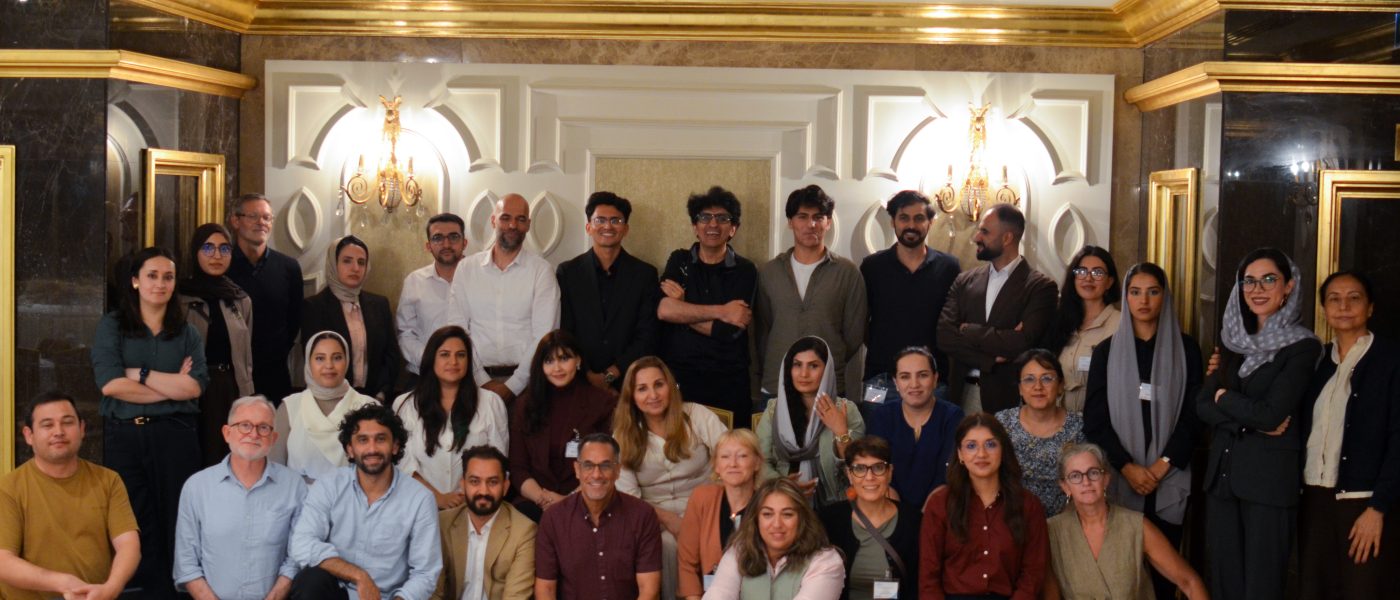
The Raoul Wallenberg Institute held the Afghan Human Rights Research Fellowship Alumni Conference 2026 recently in Istanbul, Türkiye. The conference brought together fellows who have participated in RWI-supported fellowship activities between 2021 and 2026, alongside representatives from the United Nations, academia, civil society, donor organizations, and other relevant stakeholders. The conference aimed to strengthen Afghan scholarly leadership, learning, and impact.
The conference included reflections on achievements and lessons learned, assessed the contribution of fellowship-supported research to human rights monitoring, advocacy, and accountability efforts, and identified future directions for collaboration and impact.
At the same time, the conference aimed to strengthen Afghan scholarly leadership by creating space for fellows to collectively shape future research agendas, engage directly with Richard Bennett – UN Special Rapporteur on the situation of human rights in Afghanistan, and explore sustainable mechanisms for continued collaboration through an Afghan-led scholarly network.
Over the course of the conference, participants focused on three interconnected themes:
- Learning from five years of fellowship programming and strengthening the impact on policy and decision making level;
- Advancing understanding of the human rights situation of Afghan youth and their aspirations and contributing to ongoing work by the UN Special Rapporteur on the situation of human rights in Afghanistan;
- Exploring the establishment of an Afghan-led scholarly network that can sustain collaboration, knowledge production, and public engagement beyond the fellowship programme.
Conference Approach
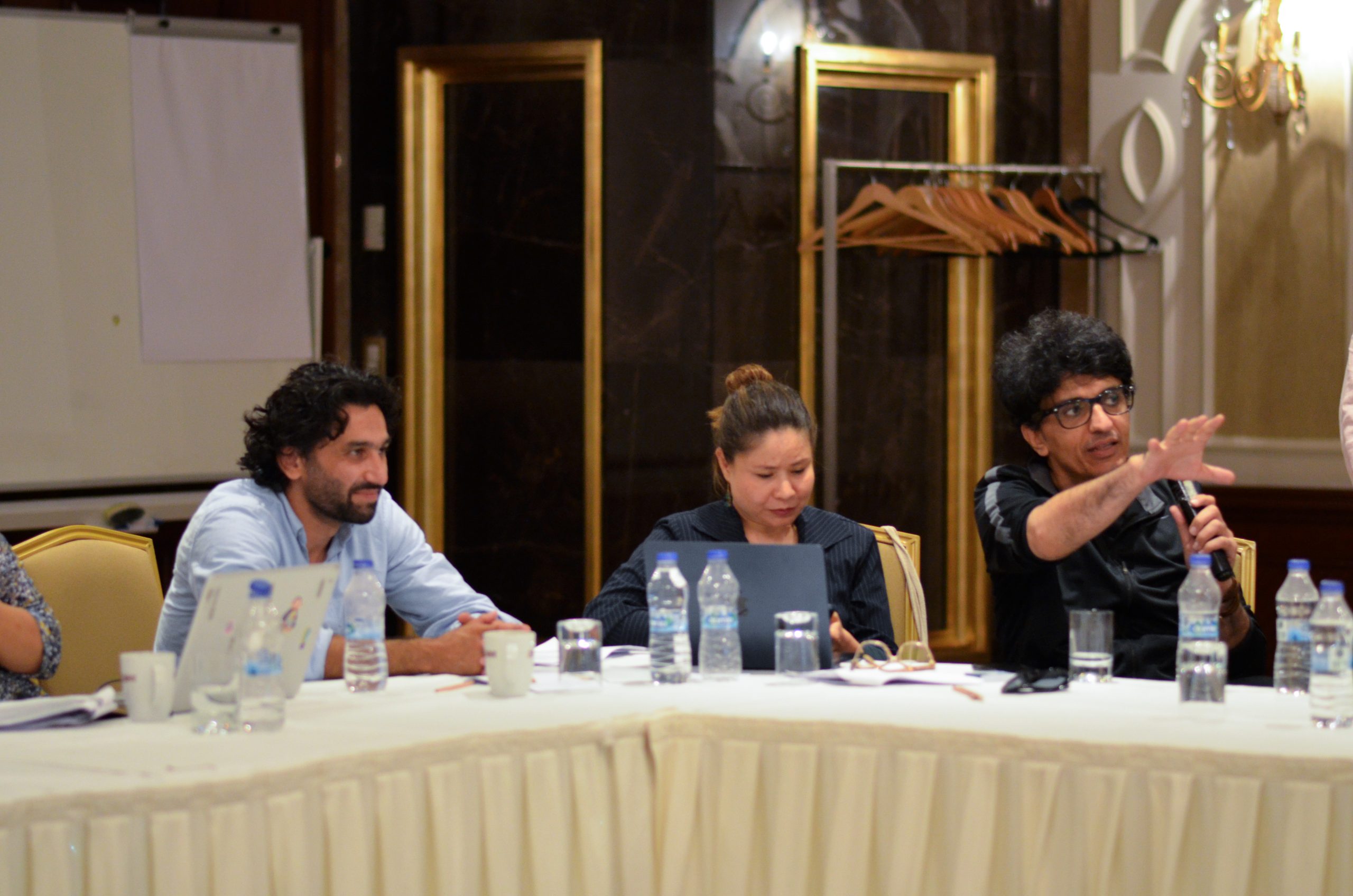
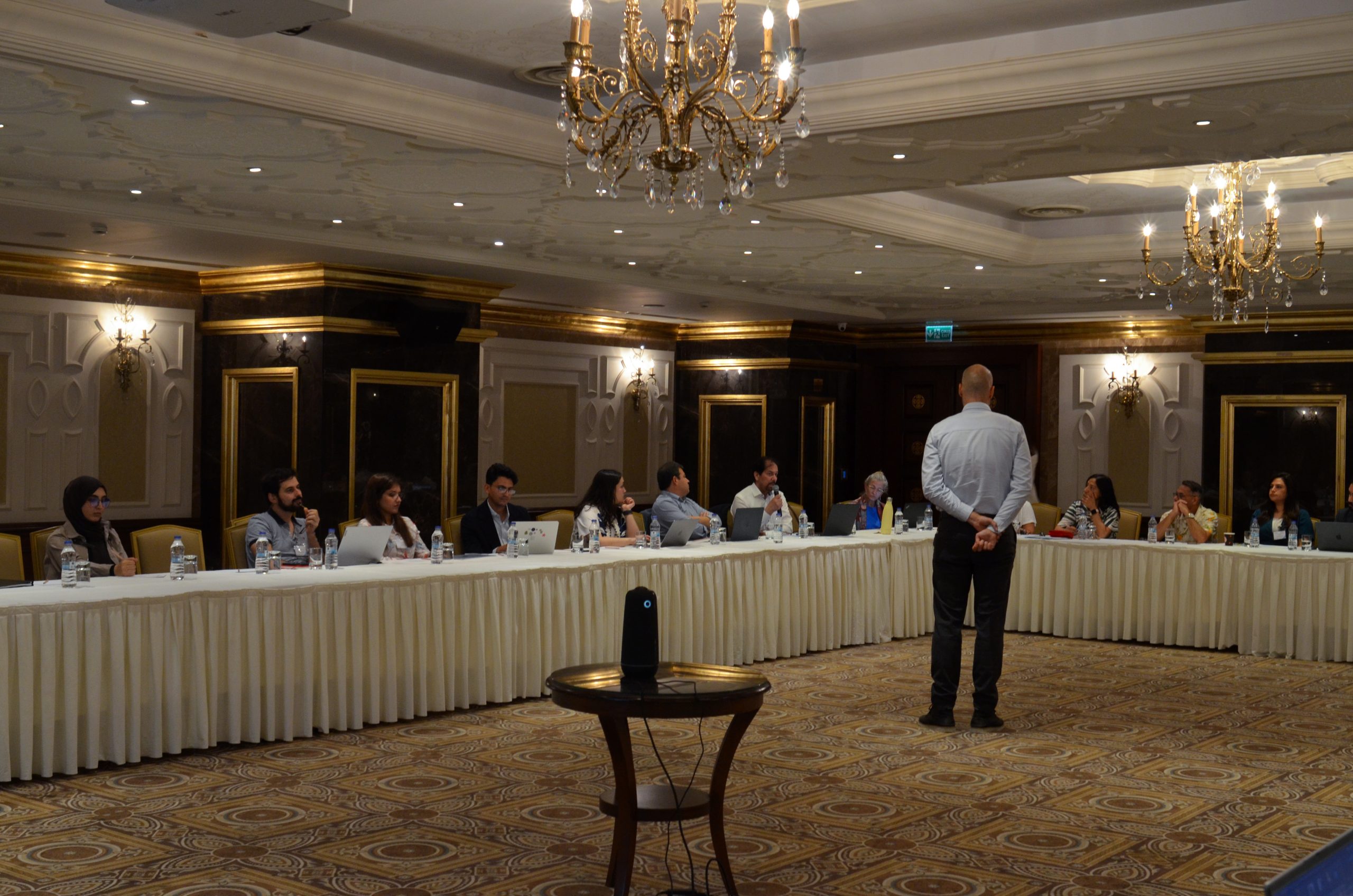
Designed as a participatory and fellow-led event, the conference placed alumni at the centre of discussions. Fellows presented their research, shared experiences from the programme, facilitated thematic sessions, and jointly developed recommendations for the future.
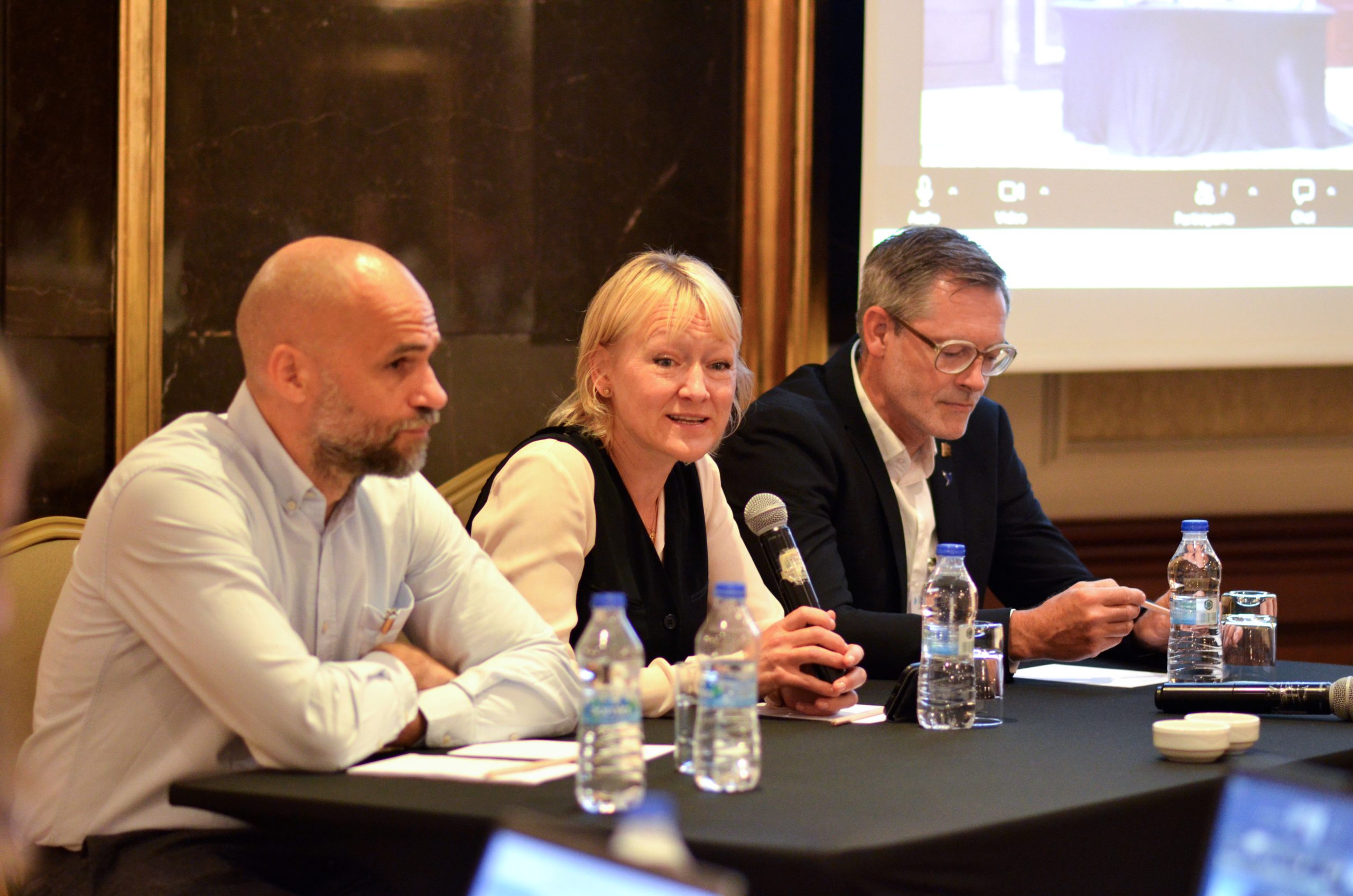
Experts, UN representatives, donors, and other invited stakeholders participated as discussants and resource persons, contributing their expertise while engaging in dialogue with the fellows.
“Too often, discussions about Afghanistan take place without Afghans leading the conversation. We designed the conference to place Afghan fellows at the centre, enabling them to share their expertise, define research priorities, and shape future directions for scholarship and advocacy. Supporting Afghan-led knowledge production and amplifying Afghan voices are core principles of RWI’s Afghanistan programme” – David Eile, Senior Programme Officer, Lund Office
Key Outcomes
The conference resulted in key outcomes such as:
- Identified lessons learned and recommendations for future fellowship programming;
- Strengthened understanding of how fellowship-supported research can contribute to human rights monitoring, advocacy, accountability, and policy engagement;
- Generated substantive inputs and recommendations related to youth rights and the situation of Afghan youth for consideration by the UN Special Rapporteur and other stakeholders;
- Strengthened connections between fellows, experts, donors, and human rights actors;
- Refined the vision, priorities, and potential governance arrangements for an Afghan-led scholarly network;
- Established a foundation for continued collaboration among fellowship alumni and partners beyond the conference.
Hear from former research fellows about how the fellowship has shaped their research and careers.
Follow-up
The conference outcomes will inform several strands of follow-up work during 2026. Recommendations and perspectives shared by fellows on the situation and aspirations of Afghan youth have been provided to the UN Special Rapporteur on the situation of human rights in Afghanistan and his team as inputs to future reporting and advocacy efforts.
The conference also initiated the establishment of an Afghan-led scholarly network, with fellows agreeing on key priorities and next steps for collaboration. The network will be further developed and consolidated over the coming year.
Lessons learned from five years of fellowship programming will be incorporated into future programme design and alumni engagement activities, helping strengthen the impact, relevance, and sustainability of Afghan-led research and knowledge production.
This workshop was made possible with the generous support of the Ministry of Foreign Affairs of Denmark and Norwegian Ministry of Foreign Affairs. RWI acknowledges their commitment to strengthening human rights capacity in the region.
Want to learn more?
Learn more about RWI’s Afghanistan Programme here
Explore our Afghanistan Human Rights Database (AHRD) here