
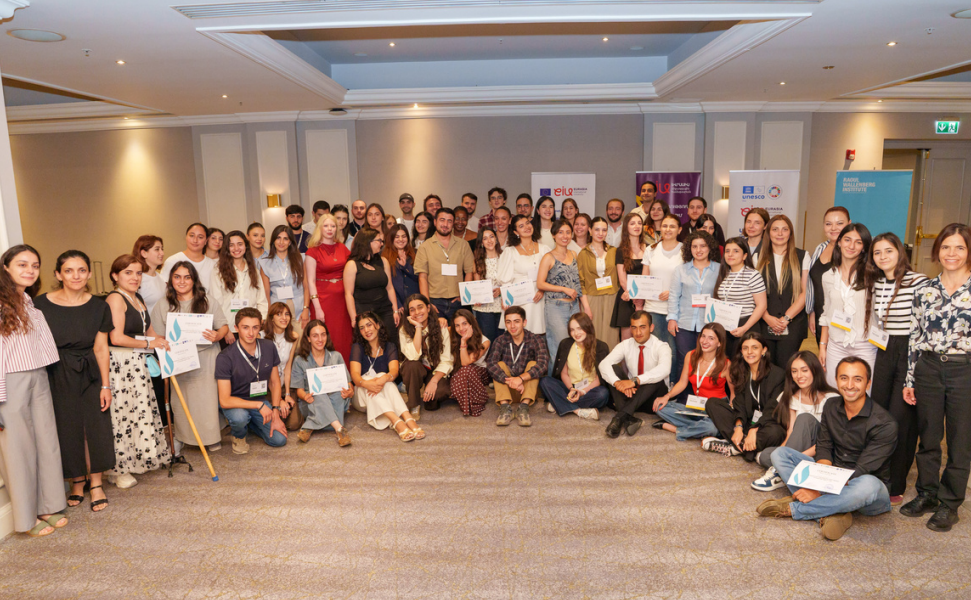
Article written by Syune Tumanyan Salome Zibzibadze, who had the role to be media advisors in the simulation.
The opening day focused on establishing the institutional and thematic basis for the simulation. Participants examined the structure of the COP, the roles of the Presidency, Bureau, and Secretariat, the rules of procedure, consensus-based decision-making, and negotiation techniques.
SIMULATION OPENS IN YEREVAN
COP17 Youth Simulation The Youth Biodiversity COP17 Simulation began under the theme “Accelerating Implementation of the KunmingMontreal Global Biodiversity Framework”. Over its first two days, participants representing. Parties, observer organizations, experts, and youth groups were introduced to the CBD process and engaged in negotiations on key biodiversity issues.
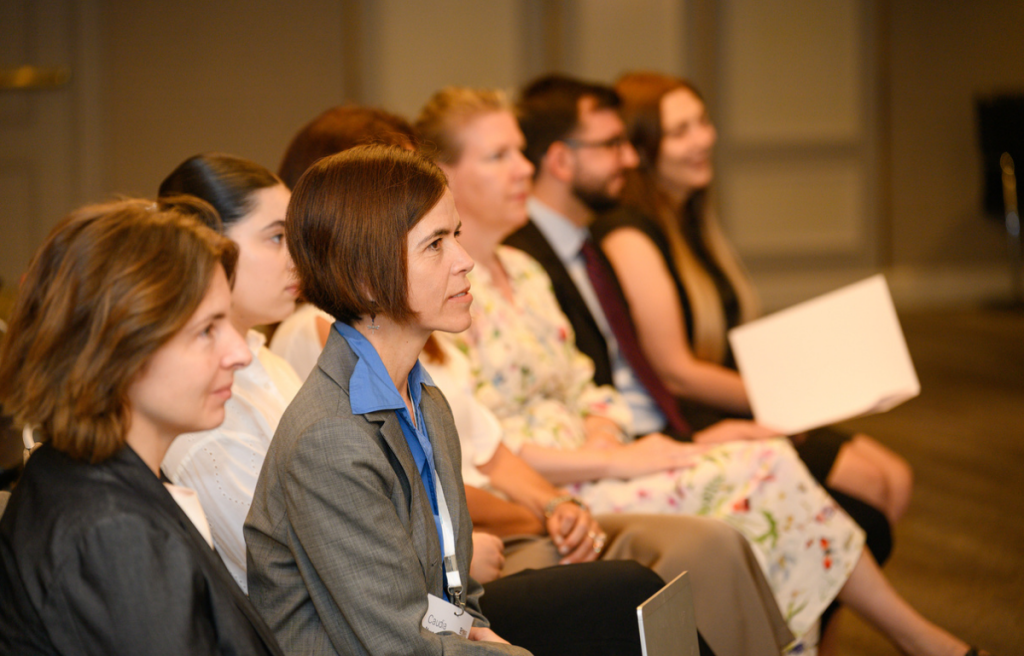
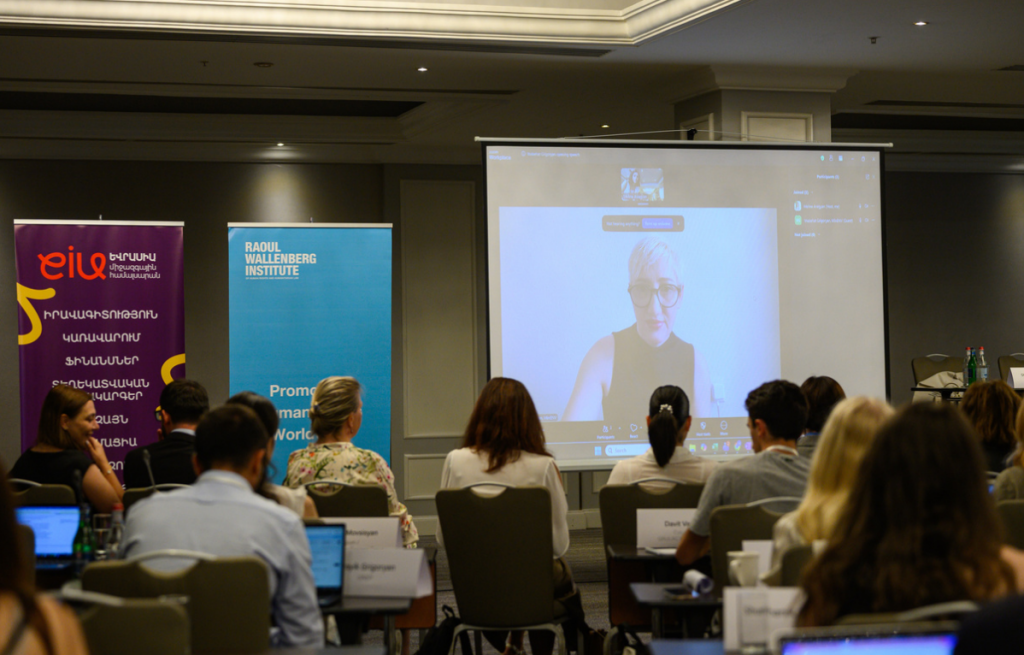
Formal negotiations began with organizational matters and resource mobilization and financial mechanisms. Delegates considered biodiversity finance, international cooperation, harmful incentives, and the integration of human rights and gender equality. The discussions introduced different perspectives on the draft text and established the basis for further negotiations.
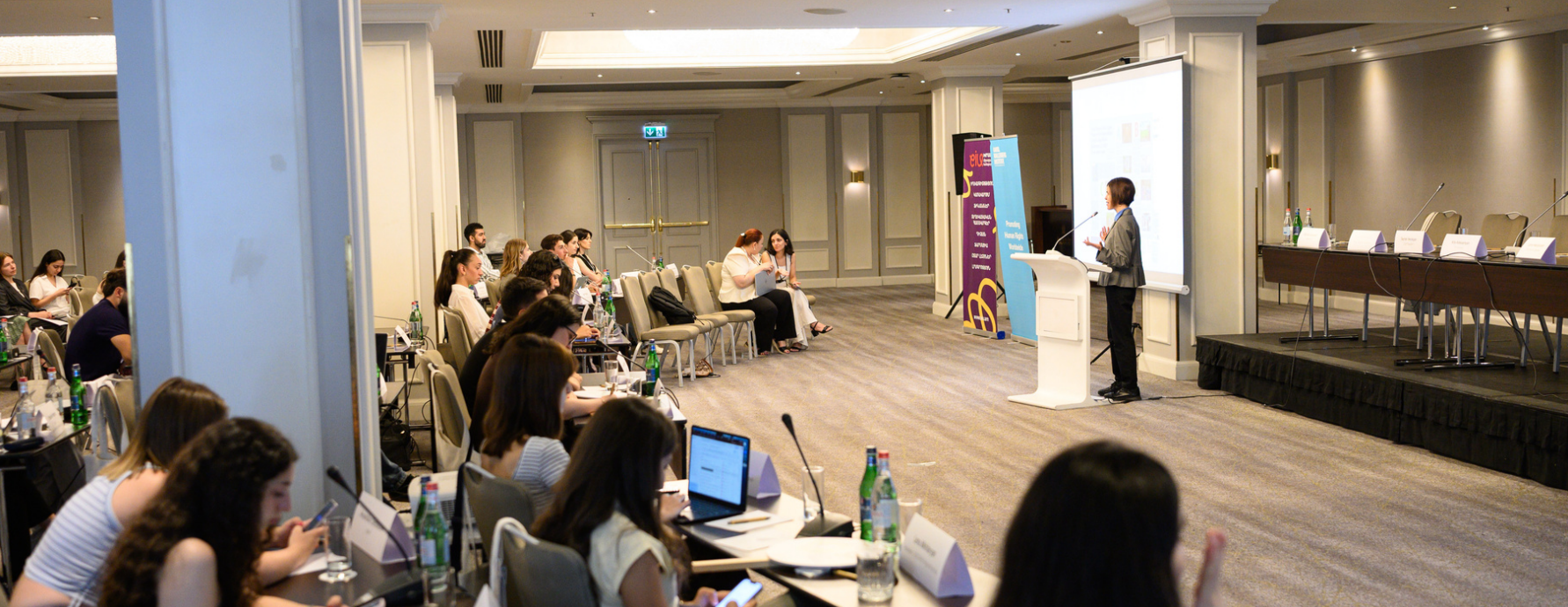
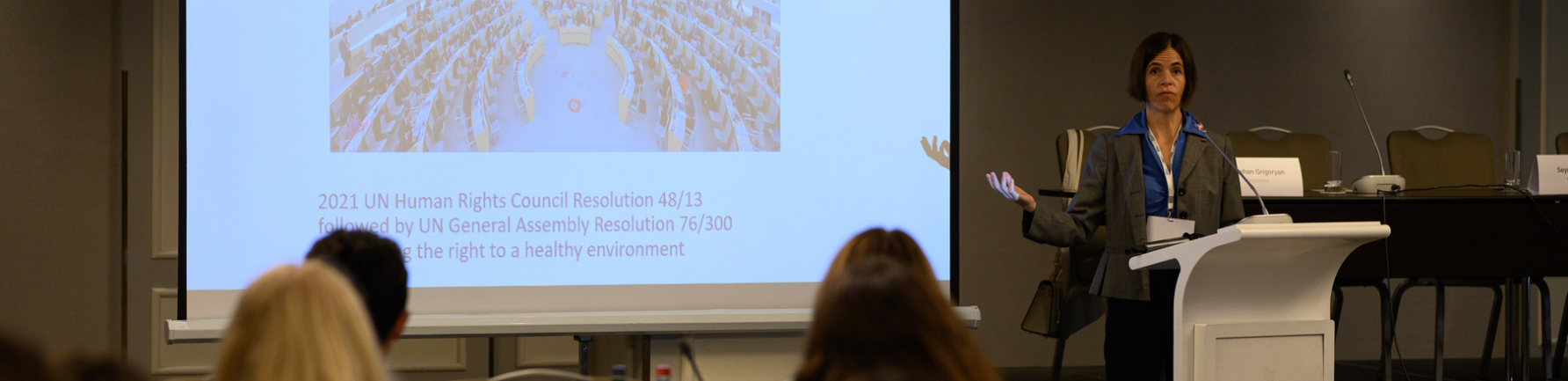
The Nature-Culture Summit further broadened the discussion by highlighting the role of traditional knowledge and peasant rights in biodiversity protection, while also exploring the relationship between art, science, and environmental awareness.
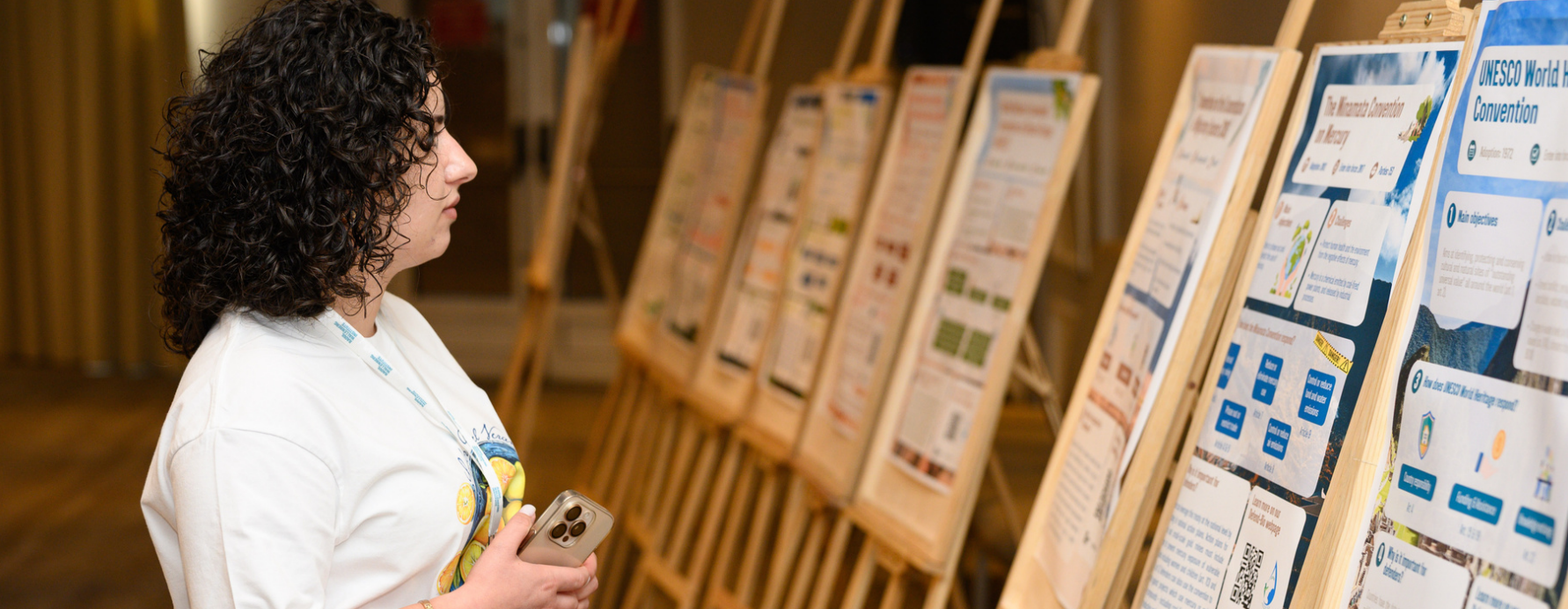
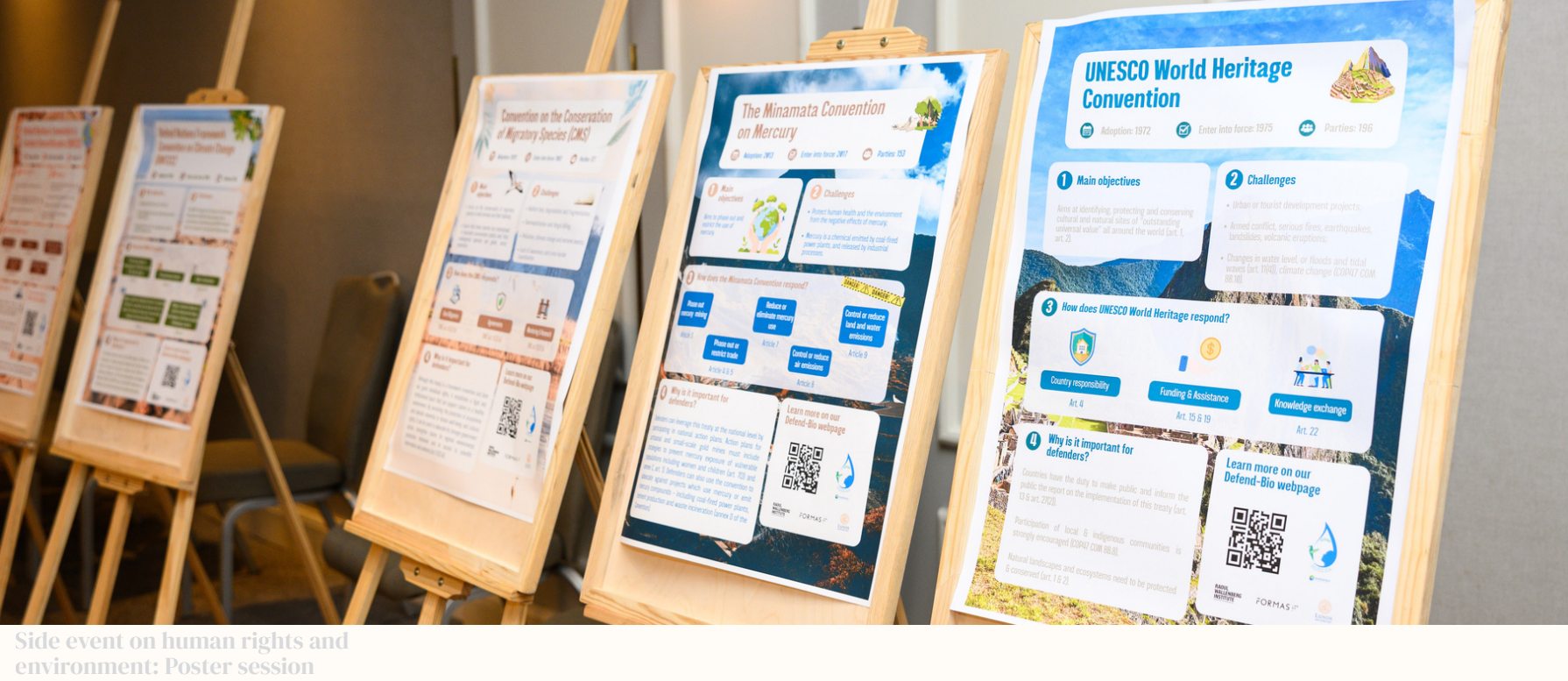
A curated exhibition of twelve posters by the DEFEND-BIO Legal Clinic complemented these discussions by presenting accessible visual materials on international environmental and human rights law, including the rights of Indigenous Peoples, local communities, youth, and women, and the importance of access to information, participation, and justice in implementing the KunmingMontreal Global Biodiversity Framework, particularly Target 22.
On the second day, participants moved into more detailed discussions through working groups, regional consultations, contact groups, and informal negotiations. Delegates considered issues related to planning, monitoring, reporting and review; the implementation of Article 8(j); Indigenous Peoples and local communities; environmental synergies; and the Gender Plan of Action.
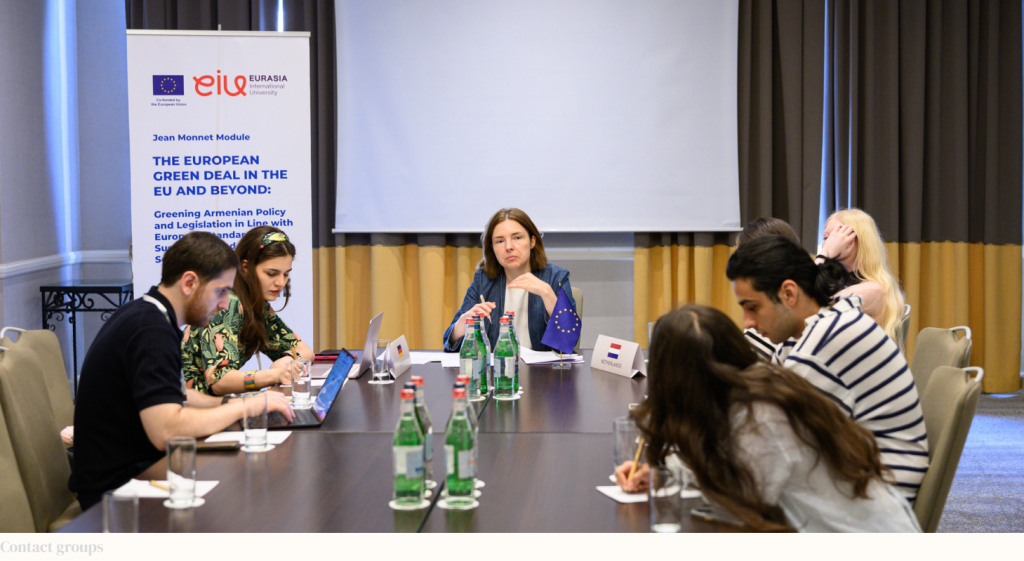
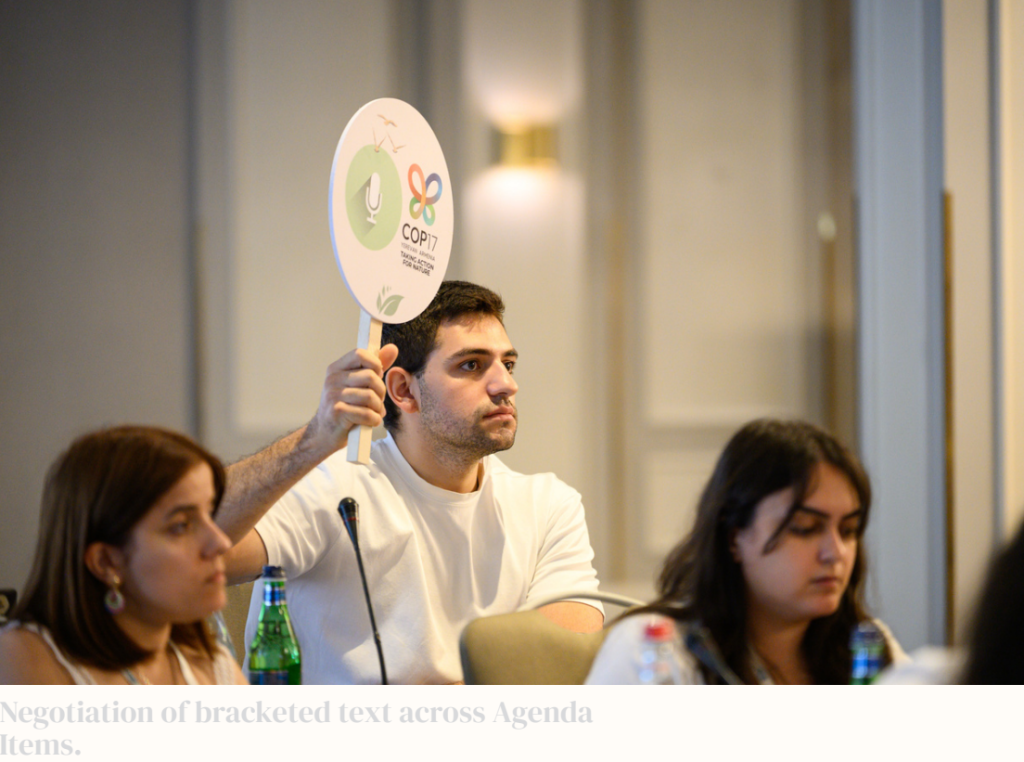
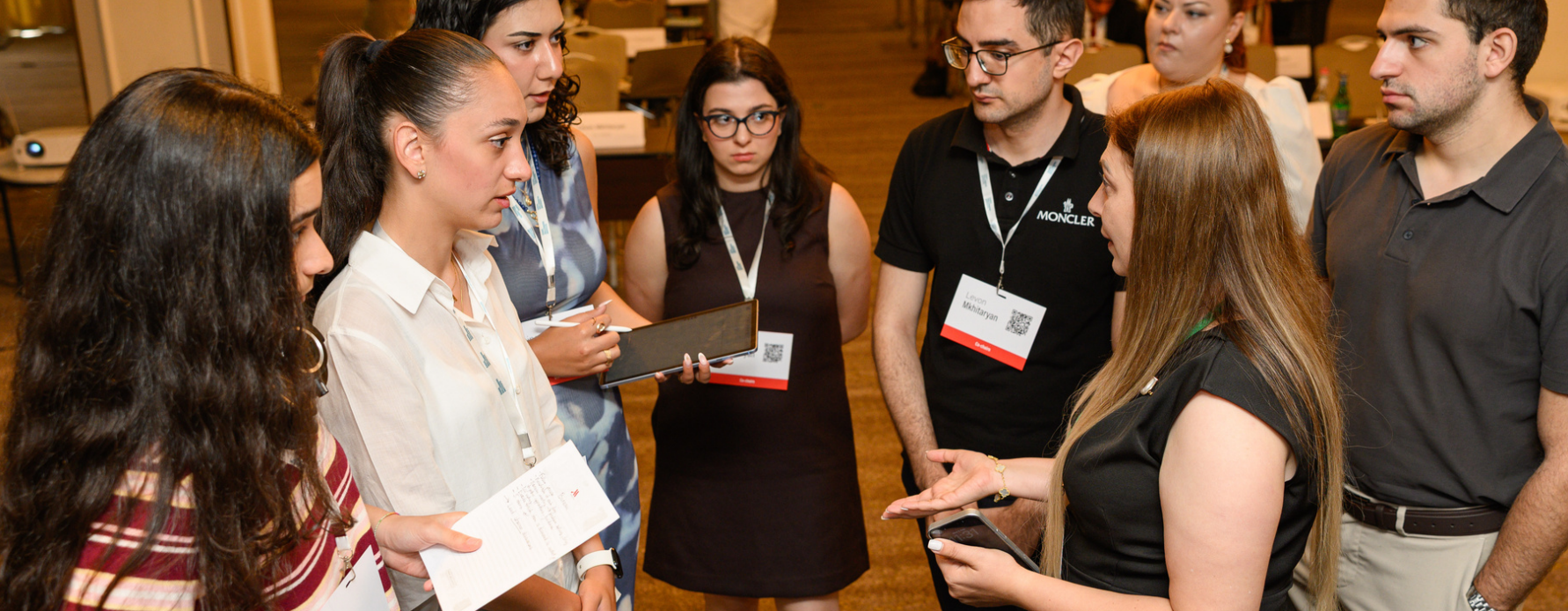
Different views and areas of disagreement emerged during the discussions. Nevertheless, delegations continued to exchange positions and work towards consensus. Participants also explored synergies between biodiversity, climate change, and desertification. In small-group discussions, they considered how these interconnected issues could be reflected in the draft document and addressed through more coordinated approaches. Three groups additionally developed proposals for possible initiatives in the real COP17 Green Zone, presenting ideas aimed at strengthening public engagement and translating biodiversity discussions into practical action.
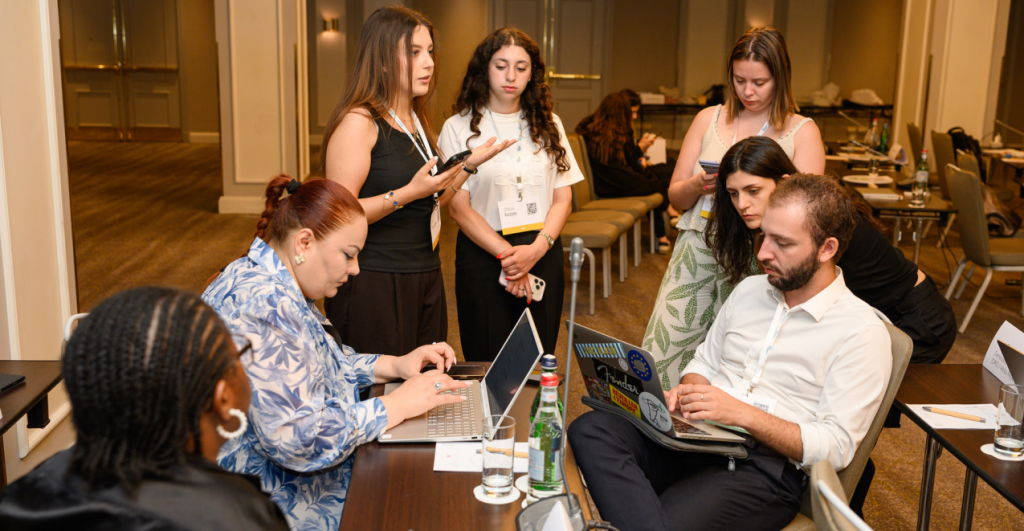
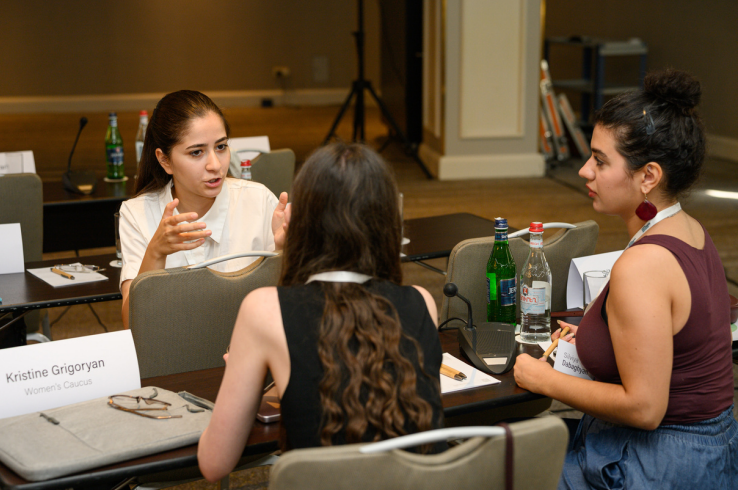
On the third day of the Youth Biodiversity COP17 Simulation, participants moved into the high-level segment and final adoption of decisions. The day began with regional coordination meetings, observer consultations, and contact group discussions, allowing delegations to finalize their positions and review the remaining bracketed text.
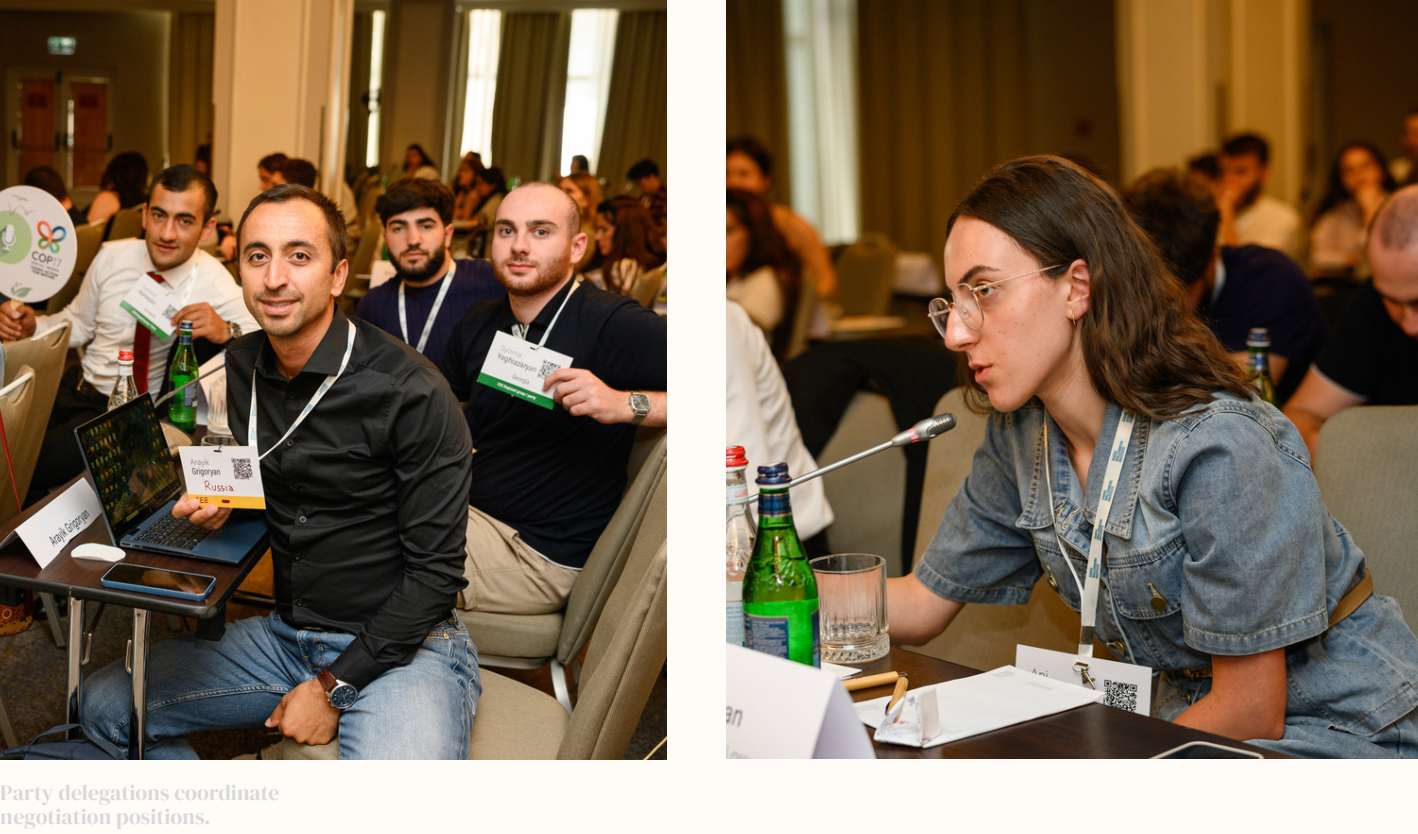
Delegates subsequently adopted the CBD COP17 draft decisions by consensus on resource mobilization and financial mechanism, planning, monitoring, reporting and review, implementation of Article 8(j) and related provisions, and the Gender Plan of Action. The adoption marked the conclusion of the formal negotiation phase of the simulation. The programme also included presentations by observers and reflections from the COP President, Bureau, CBD Secretariat, party representatives, and observer organizations. These interventions offered participants an opportunity to look back on the negotiation process, the challenges encountered, and the lessons learned over the three days.
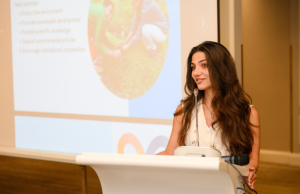

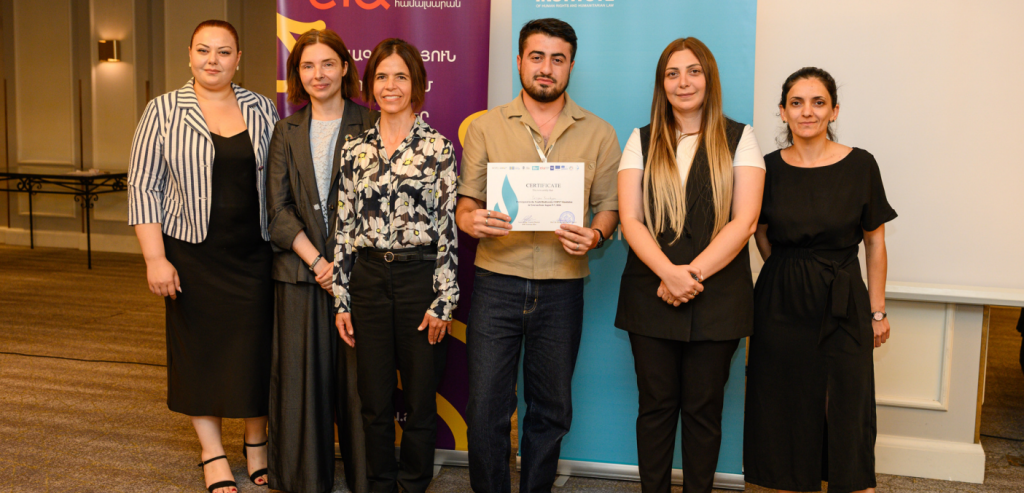
The simulation closed with a ceremony, certificates and awards, and a farewell reception. Overall, the three days combined formal negotiations, youth participation, creative exchange, and policy learning, while highlighting the importance of dialogue, consensus-building, and inclusive participation in biodiversity decision-making.
Claudia Ituarte-Lima, Maria Andrea Nardi and Ana Maria Vargas Falla took part in this simulation as experts.