By Windi Arini, RWI Regional Director Asia Pacific
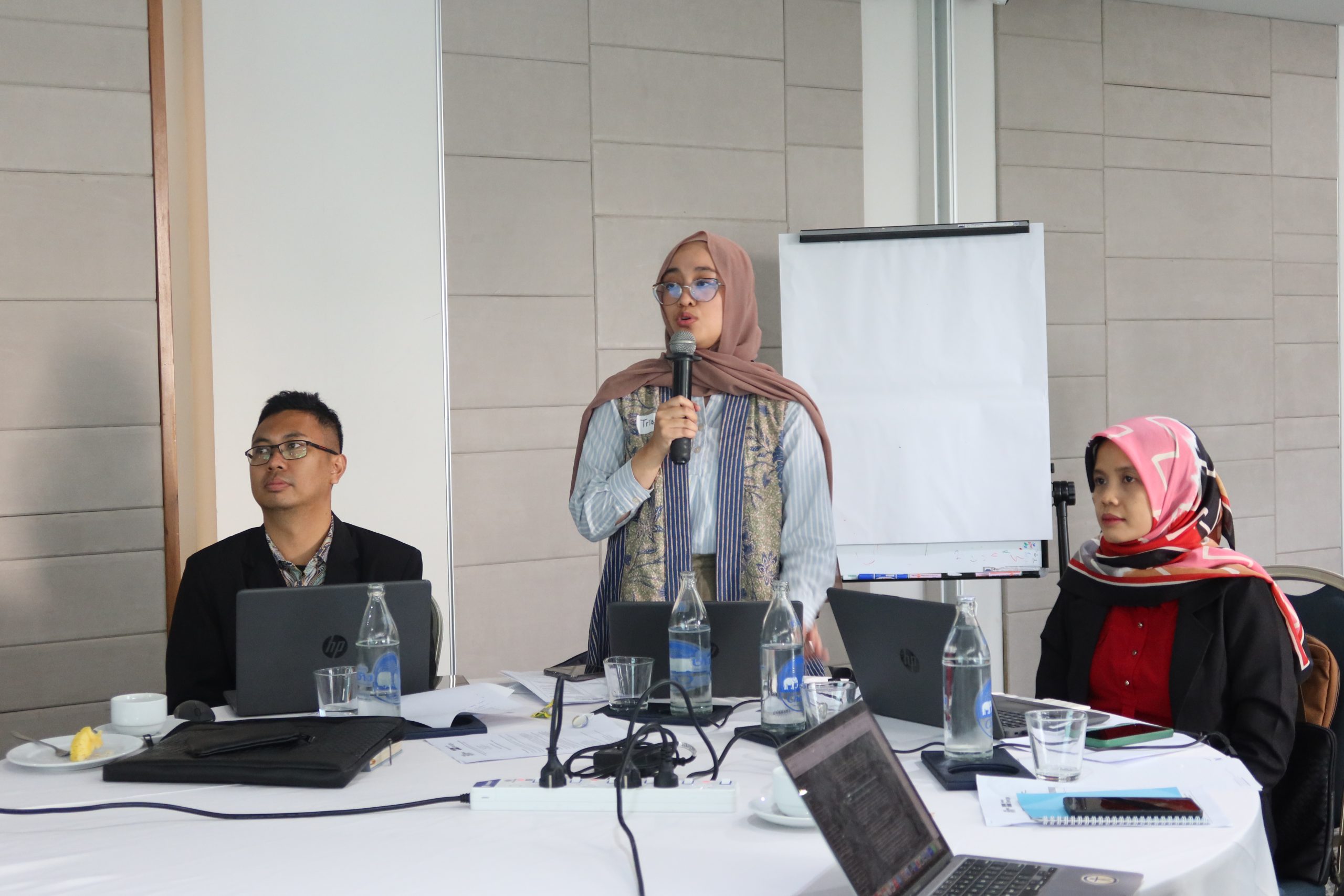
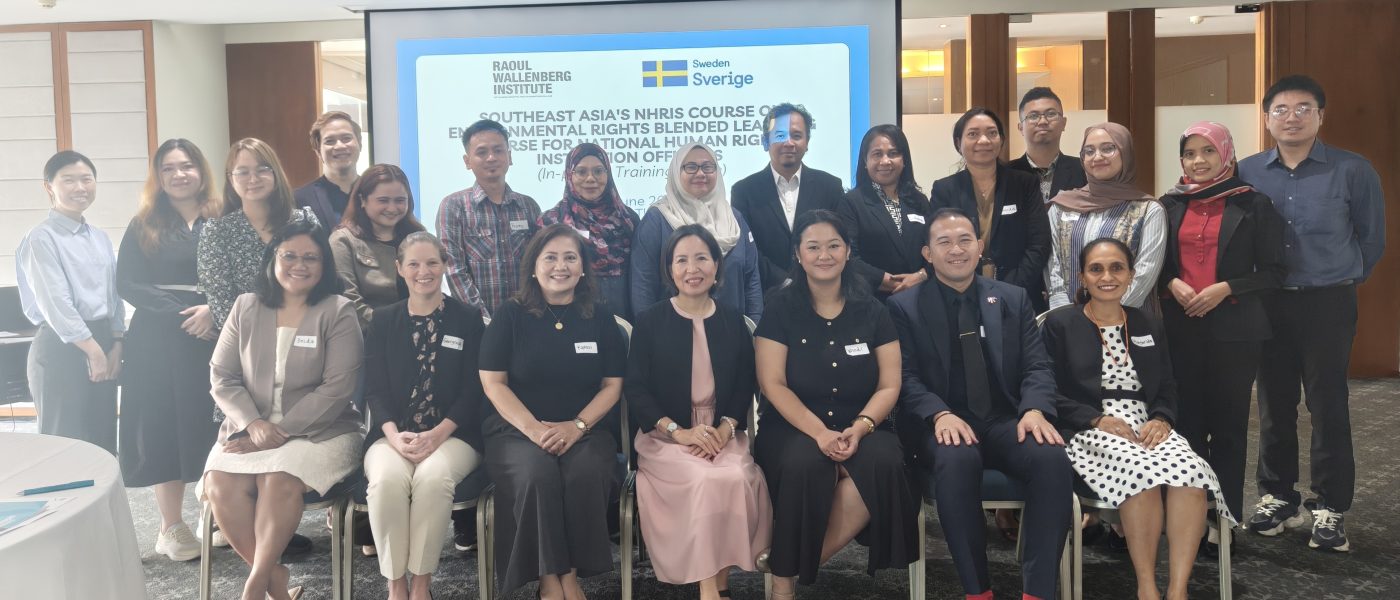
Officials from National Human Rights Institutions (NHRIs) from Southeast Asia gathered in Bangkok on 9–10 June 2026 for the in-person phase of the Environmental Rights: Blended Learning Course for National Human Rights Institution Officials, organised by the Raoul Wallenberg Institute of Human Rights and Humanitarian Law (RWI) with support from Sida.
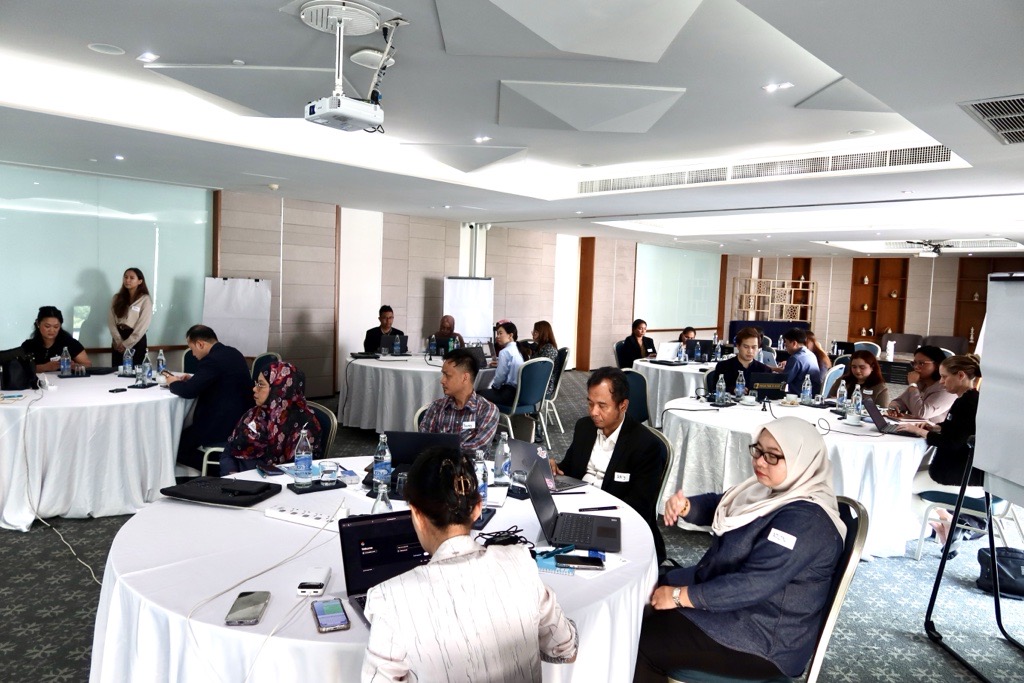
Building on several weeks of online learning, participants from Indonesia, Malaysia, the Philippines, Thailand, and Timor-Leste explored how NHRIs can strengthen the implementation of environmental rights at national and regional levels. Discussions focused on the ASEAN Declaration on the Right to a Safe, Clean, Healthy and Sustainable Environment (ADER), the role of Multilateral Environmental Agreements (MEAs), and practical pathways for advancing access to information, participation, justice, accountability, and protection for environmental human rights defenders.
A key theme throughout the workshop was the importance of a whole-of-NHRI approach to environmental rights. Participants explored how policy and advisory functions, promotion and education activities, protection and investigation mandates, and partnerships can work together to advance environmental rights more effectively. Through country-based workshops, participants developed draft institutional action plans that integrated these different NHRI functions and identified practical actions tailored to their national contexts.
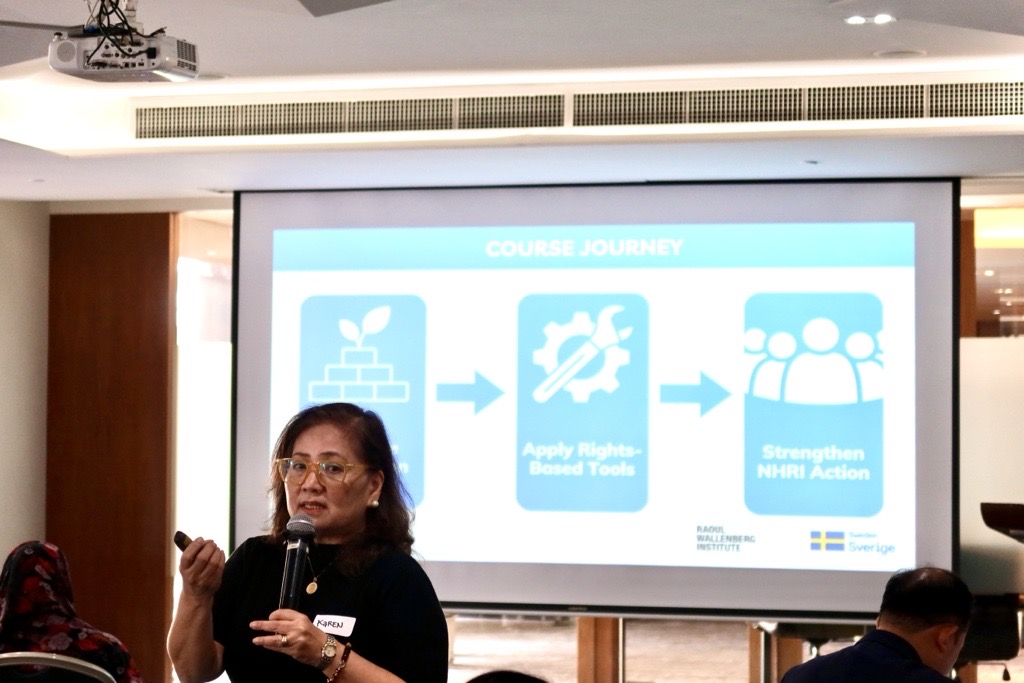
Participants highlighted the value of learning from peers across the region. Many appreciated the practical nature of the training, the opportunity to exchange experiences and good practices, and the focus on moving from principles to concrete institutional action. The online modules were also praised for their rich content, accessibility, and relevance to current environmental challenges.
The workshop concluded with discussions on future collaboration through regional mechanisms, including SEANF and AICHR, and on supporting the implementation of ADER and the forthcoming Regional Plan of Action. RWI will consolidate the outcomes into a regional outcome document and action tracker to support continued NHRI engagement on environmental rights across Southeast Asia.