
By Peacewell Makhurane, Junior Programme Officer
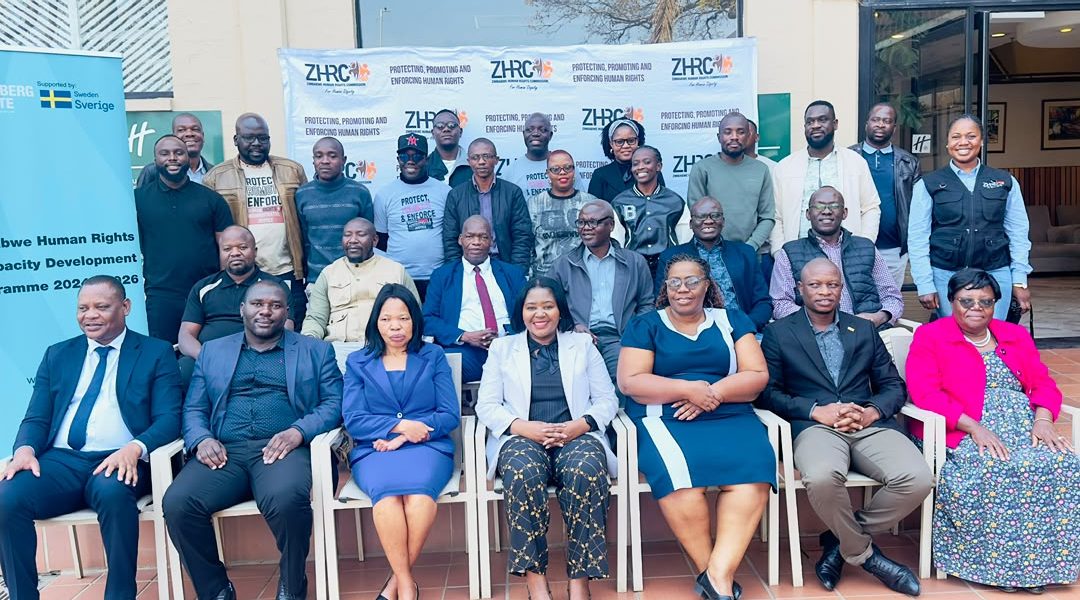
The Raoul Wallenberg Institute (RWI) Harare Office, in collaboration with the Zimbabwe Human Rights Commission (ZHRC), convened a workshop from 21–24 July 2026 in Harare to support the development of the ZHRC Information and Communication Technology (ICT) Integration Strategy (2026-2030). This workshop marks a significant step towards embracing technology to strengthen institutional effectiveness, improve service delivery, and enhance the protection and promotion of human rights in Zimbabwe.
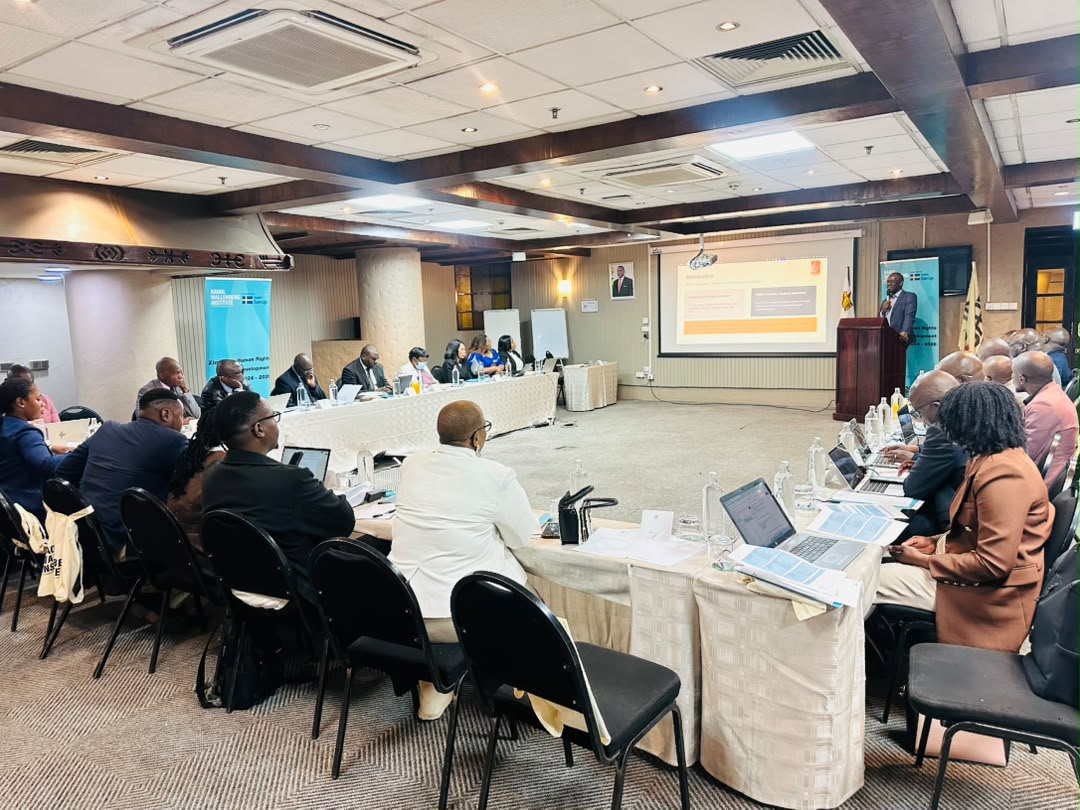
The workshop brought together Commissioners, management, technical staff, regional and national experts to collaboratively develop the ZHRC ICT Integration Strategy. The strategy will provide a comprehensive roadmap that will guide the Commission’s digital transformation journey and strengthen its capacity to protect and promote human rights in an increasingly digital world.
The strategy is being developed in alignment with the ZHRC Strategic Plan, Zimbabwe’s National Development Strategy 2 (NDS2), and the country’s broader digital transformation agenda. It will provide a framework for leveraging technology to improve institutional effectiveness, strengthen governance structures, enhance cybersecurity, improve data governance and management, promote evidence-based decision-making, and responsibly integrate emerging technologies such as Artificial Intelligence (AI) into the Commission’s work.
The workshop explored a broad range of critical themes, focusing on key strategic priorities and emerging digital trends that are essential to the development of the ICT Integration Strategy, including:
- A human rights-based approach to digital transformation;
- International and regional standards on digital rights and technology governance;
- Data protection, privacy, and cybersecurity;
- Artificial Intelligence and its implications for human rights;
- Digital inclusion and accessibility for vulnerable groups;
- ICT maturity assessment and institutional capacity;
- Strategic planning, governance, risk management, and implementation planning.
During the workshop, participants conducted a comprehensive review of the Commission’s current ICT environment to identify existing institutional challenges, emerging opportunities, strategic priorities, and developed practical implementation frameworks to guide the Commission’s digital transformation journey over the next five years.
The workshop was facilitated by regional and national experts, including specialists from the Collaboration on International ICT Policy for East and Southern Africa (CIPESA), Bindura University of Science Education (BUSE) and from the ZHRC, whose expertise helped shape a robust ICT strategy for the Commission.
The outcome of the workshop was a validated draft ZHRC ICT Integration Strategy (2026–2030). Once finalised and formally adopted, the strategy will provide a clear framework for the Commission’s digital transformation, strengthening its institutional capacity to protect, promote, and fulfil human rights while enhancing service delivery, governance, and operational effectiveness in Zimbabwe’s rapidly evolving digital landscape.
The workshop was conducted under RWI’s Zimbabwe Human Rights Capacity Development Programme (2024-2026), funded by the Embassy of Sweden in Zimbabwe.
Learn more about our work in Zimbabwe here.