By: Pasca Chesach
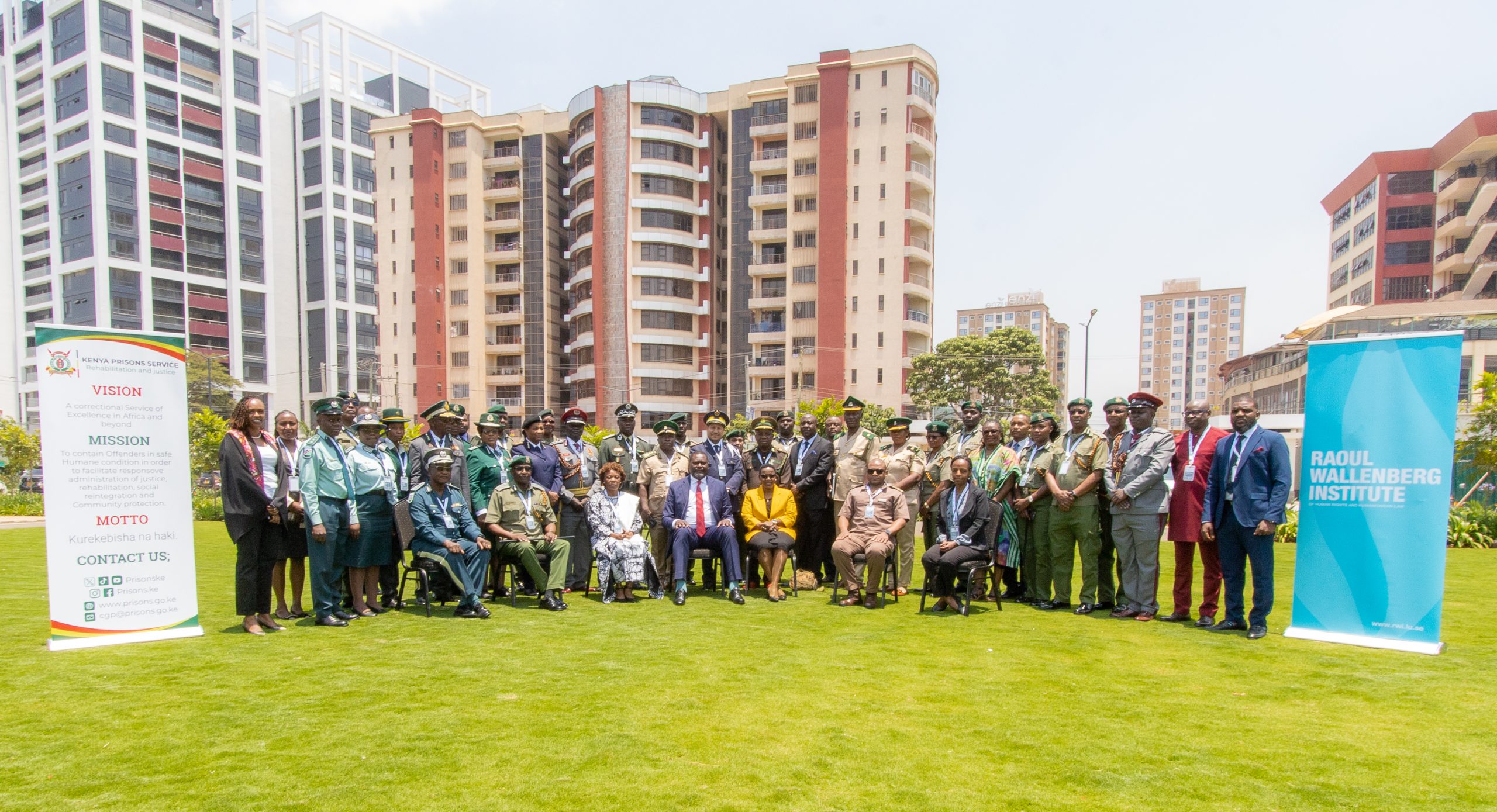
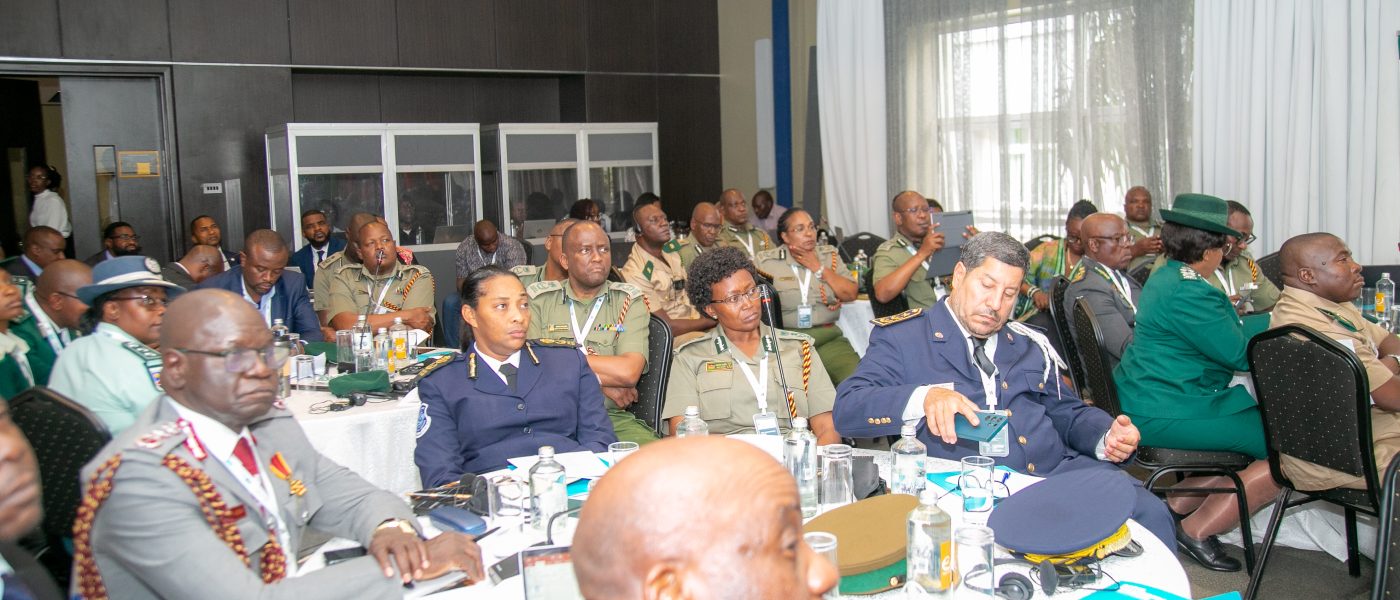
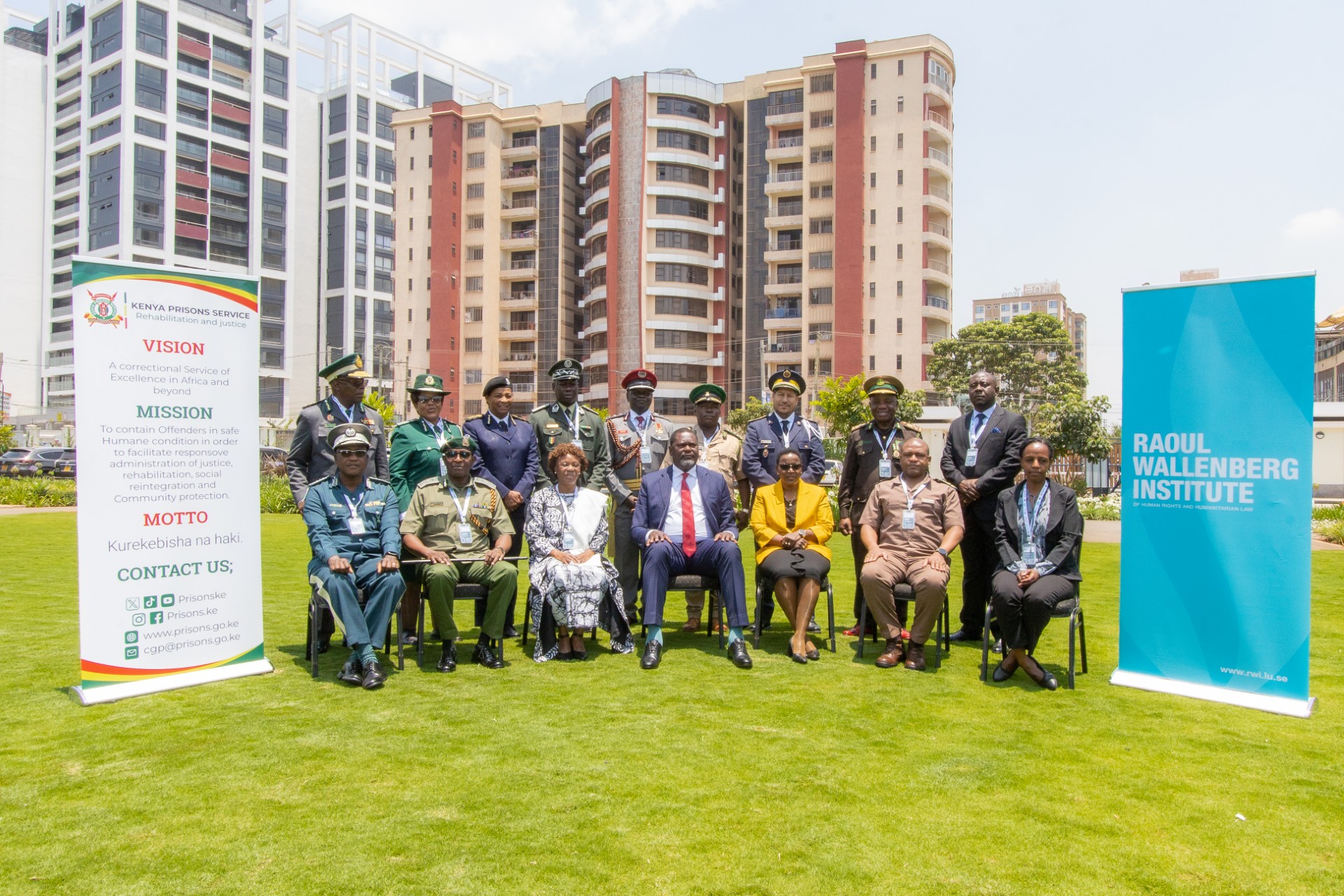
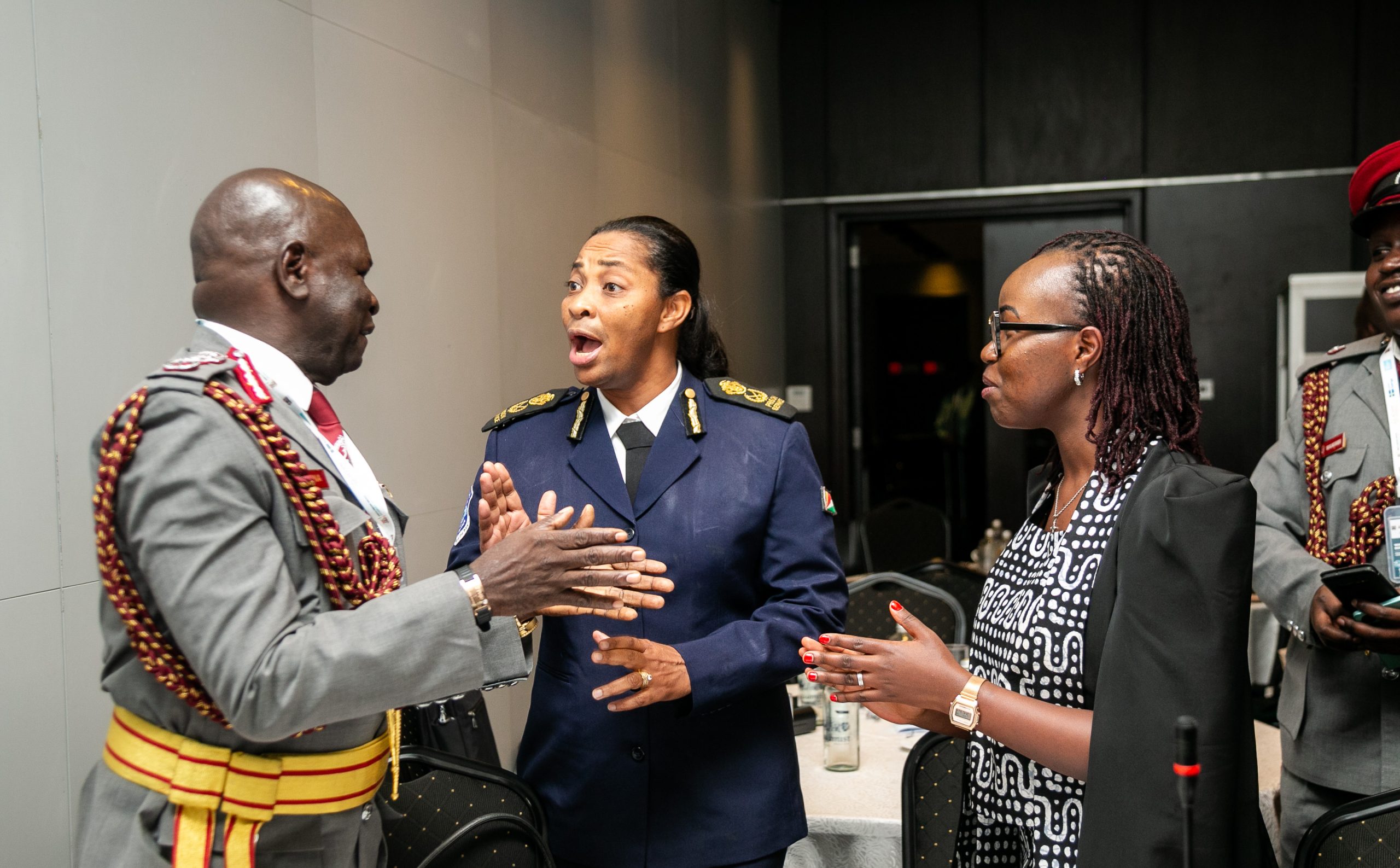
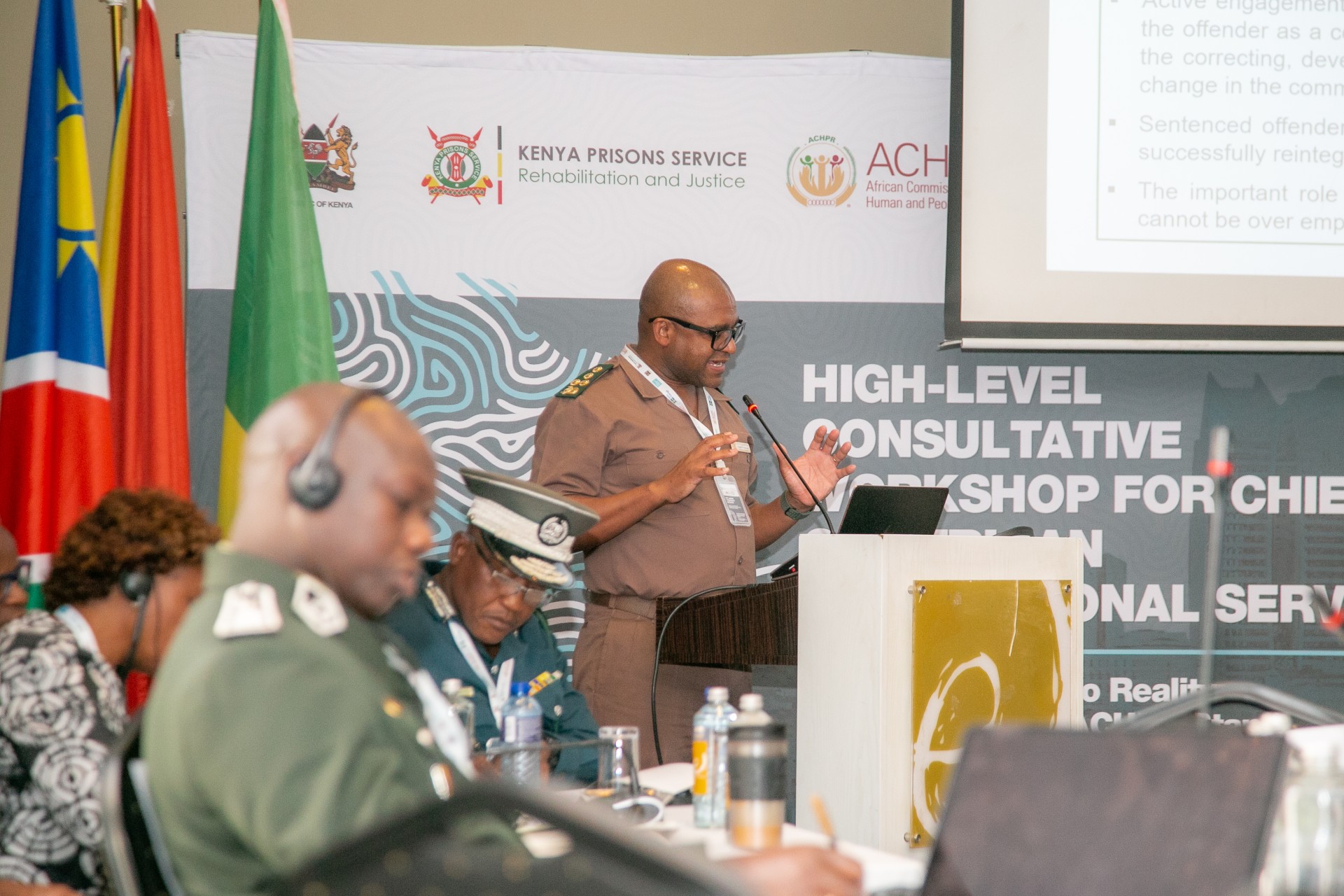
On September 16th-18th, the Government of Kenya through the State Department for Correctional Services and Kenya Prisons Service, the Special Rapporteur on Prisons, Conditions of Detention and Policing in Africa of the African Commission on Human and Peoples’ Rights and the Raoul Wallenberg Institute of Human Rights and Humanitarian Law convened a three-day workshop that brought together the Chiefs of African Correctional Services from Eswatini, Kenya, Morocco, Namibia, Senegal, Seychelles, Sierra Leone, South Africa, Tanzania, Uganda, Zambia and Zimbabwe with over 50 participants in Nairobi, Kenya.
Key Focus Areas of the Workshop
The workshop focused on;
- Advancing the implementation of ACHPR Resolutions on Prisons and Conditions of Detention and the Nelson Mandela Rules.
- Overcoming Common shared challenges and successes across African correctional systems.
- Strengthening staff capacity and professional development to enhance operational effectiveness of prisons.
- Operationalizing parole systems, and drawing actionable strategies from peer countries
- Deepening engagement with the ACHPR Special Rapporteur’s Mechanism
- Promoting experiential cross country regional learning.
Lessons, Challenges, and Reflections
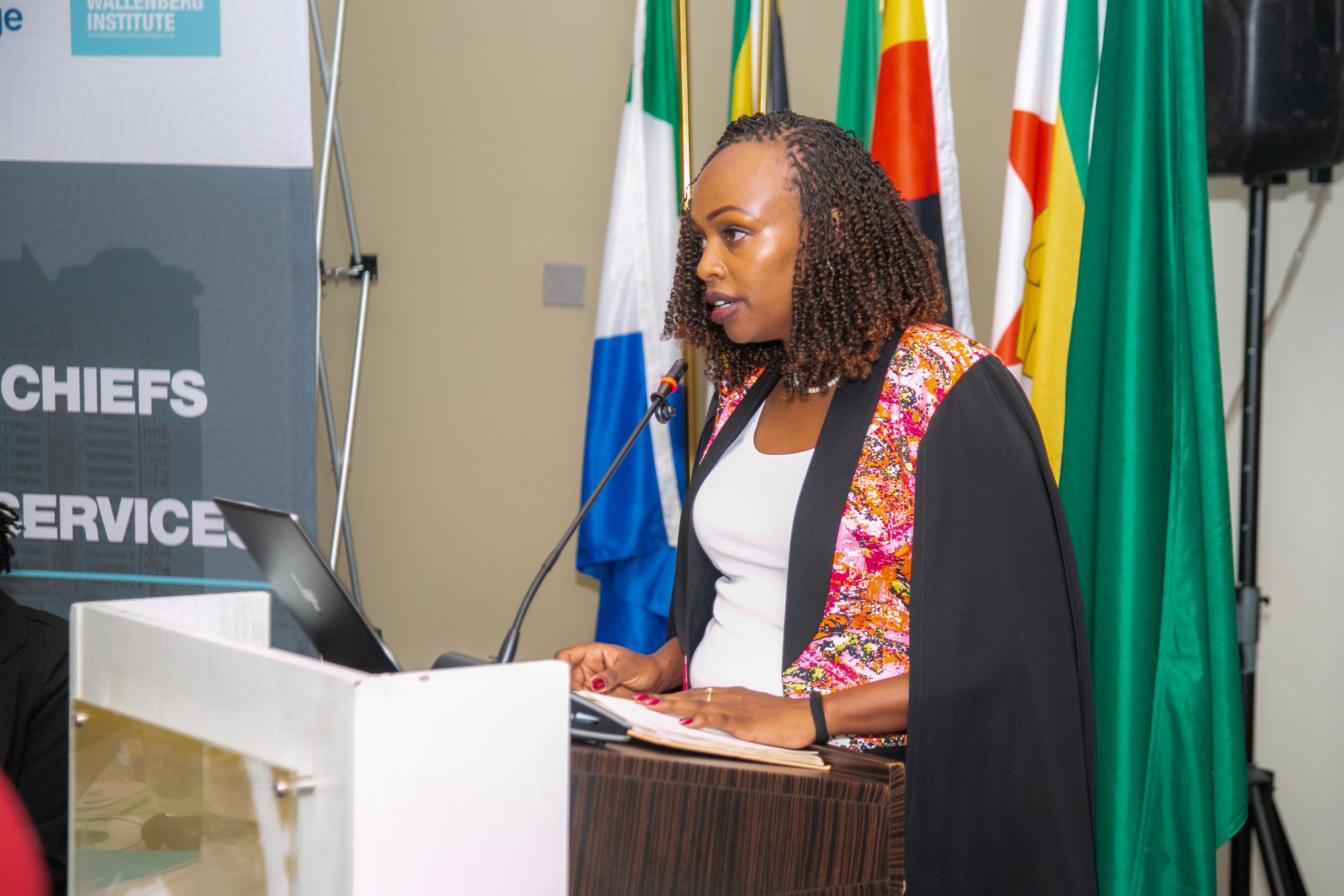
The discussions highlighted the persistent challenges faced by Prisons and Correctional Services across Africa, many of which are common to the services. These included severe overcrowding, dilapidated prison facilities, insufficient provision of basic necessities such as food, clothing, healthcare. High number of pre-trial detainees, inadequate staff capacity and training as well as limited resources further compounded the problems facing the Services.
Despite the existence of robust international, regional, and national legal and policy frameworks, the implementation of these instruments and frameworks remains suboptimal. The workshop therefore focused on exploring the challenges faced by member states, as well as strategies to overcome them, opportunities for regional peer learning, and the need for deliberate, actionable strategies. These strategies must not only address the systemic challenges within prison systems but also strengthen compliance with international and regional human rights frameworks governing correctional services. Not only the challenges facing our prison systems but also challenges in implementation of the international and regional human rights framework governing correctional services.
Key Highlights from the Discussion
- Implementation of the Nelson Mandela Rules (2015) and ACHPR provisions remains a priority to uphold offender rights.
- Non-custodial measures are essential to reducing overcrowding.
- Training and capacity development for correctional staff are critical to overcoming implementation gaps.
- Regional cooperation, particularly around early release mechanisms, is key to strengthening rehabilitation and reintegration.
- While legal and policy reforms are underway in many countries, consistent implementation and monitoring remain limited.
- Implementation of ACHPR Resolutions on Prison Conditions and the UN Standard Minimum Rules for the Treatment of Prisoners remain a priority for safer and humane prisons
- Training and Capacity development for prison staff is correctional critical to enhancing professionalism and effective service delivery.
- Leveraging regional cooperation, particularly around implementation of early release mechanisms, is key to strengthening rehabilitation, reintegration as well as addressing prison overcrowding challenges.
- While a number of prison policies and legal instruments are aligned with regional and international frameworks, implementation and monitoring remain suboptimal and need strengthening.
Way Forward
The workshop concluded with a set of concrete outcomes that reflect the shared commitment of the Chiefs of African Correctional Services to strengthen cooperation, advance reforms, and embed human rights–based practices across correctional systems. These outcomes of the workshop include:
- Strengthened, regular engagement and collaboration with the ACHPR Special Rapporteur’s Mechanism.
- Agreement to develop an African Correctional Services Online Training Programme.
- Commitment to peer-to-peer review and exchange on the operationalization of early release systems.
- Renewed collective pledge to advance human rights–centered corrections.
- Leverage collaboration among African correctional services to address shared challenges.
The forum issued a clear call to action for tangible reforms, with the agreed outcomes establishing a strong platform for sustained regional cooperation and transformative progress under the programme.
This activity has been financially supported by Swedish International Development Cooperation Agency (Sida) under the Regional Africa Programme. RWI gratefully acknowledges Sida’s commitment to advancing human rights in the region.