
By: Anna Pedash, Programme Associate, Ukraine Office
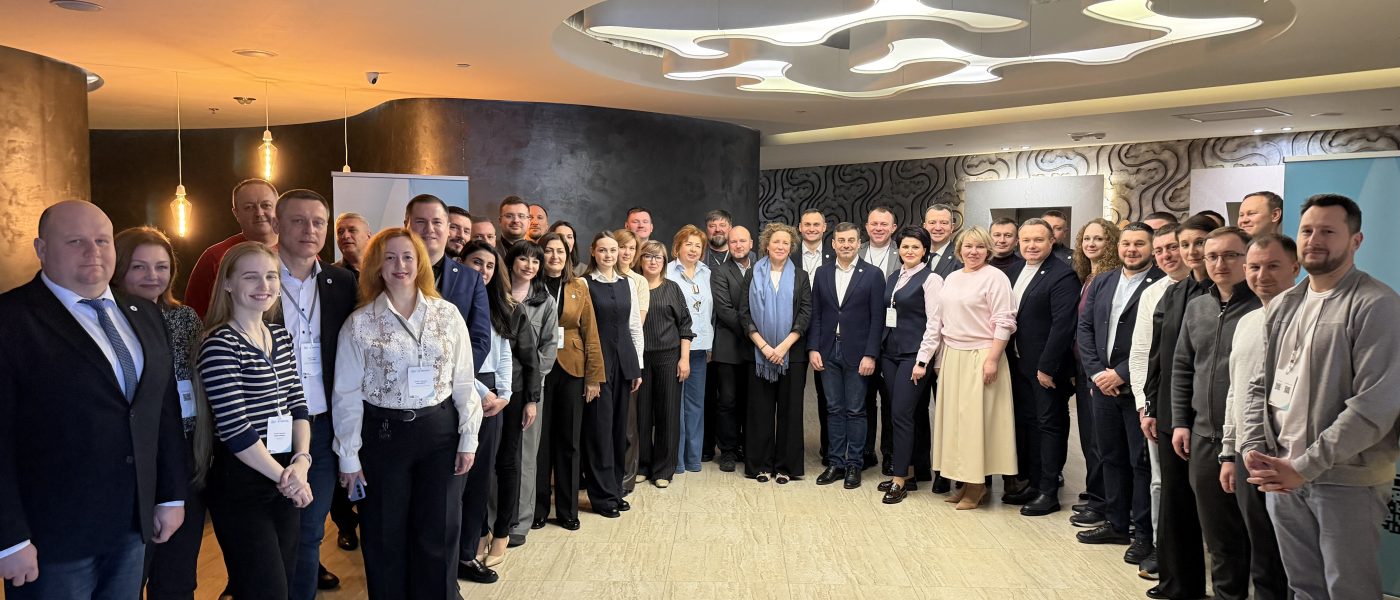
The Raoul Wallenberg Institute of Human Rights and Humanitarian Law (RWI) Office in Ukraine recently conducted a two-day training for staff of the Secretariat of the Ukrainian Parliament Commissioner for Human Rights (UPCHR) – Ukraine’s National Human Rights Institution (NHRI) – and its regional representatives. The training aimed to strengthen leadership capacities, improve internal management and coordination processes, and promote the use of innovative and digital solutions to enhance the effectiveness of the Secretariat and its regional offices.
The activity also introduced participants to international best practices in institutional management and leadership, as well as the responsible use of emerging technologies, including artificial intelligence (AI) within NHRIs.
The training, titled “Leadership and Innovations in the Work of the Secretariat of the Ukrainian Parliament Commissioner for Human Rights and Regional Representatives,” took place on 5-6 March in Truskavets, Ukraine. It was organized as part of RWI’s “HRIU: Human Rights Infrastructure for Ukraine 2025–2027” Programme, funded by the Swedish International Development Cooperation Agency (Sida).
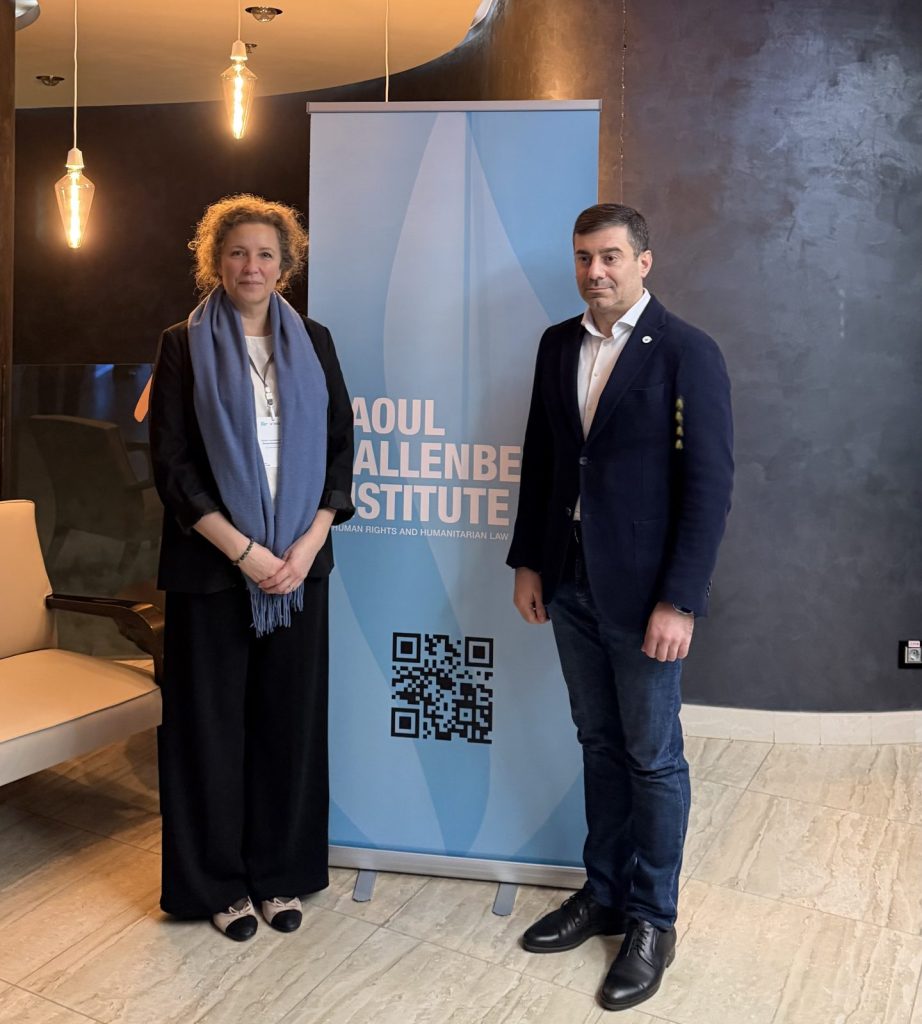
In her welcoming remarks, Theresia Kirkemann Boesen, Country Director of RWI’s Ukraine Office, emphasised the significance of bringing together representatives from across Ukraine, noting that it is rare for the institution’s regional offices to gather in one place. With the country facing a full-scale war and vast regional differences in context and constraints, she acknowledged both the challenges of the Parliament Commissioner for Human Rights’ work and the commitment required for participants to attend.
As she noted, “having all regional representatives present here offers a very unique situation for us. Ukraine is a very large country facing a full-scale war, and we know many of you have travelled from extremely difficult regions to be here.”

Day 1
Mr. Dmytro Lubinets, Ukrainian Parliament Commissioner for Human Rights offered opening remarks on the first day, setting the scene for the day’s focus on leadership, institutional management, and coordination within national human rights institutions. Sessions explored international best practices for improving and optimizing internal NHRI management processes, delivered by Josh Ounsted, RWI’s thematic lead on Rule of Law and Access to Justice, and Theresia Kirkemann Boesen.
Participants also engaged in discussions on the role of managers as strategic leaders within human rights institutions. Topics included values-based leadership, managerial responsibility, navigating management dilemmas and crisis decision-making, and the importance of trust and ethical leadership.
Additional sessions addressed the importance of unified management approaches among leadership staff, including coordination of actions, collegial decision-making, internal communication, conflict management, and the development of shared management standards. Participants from regional offices also shared practical experiences, focusing on the handling of complex cases and approaches to harmonizing responses across regions.
Day 2
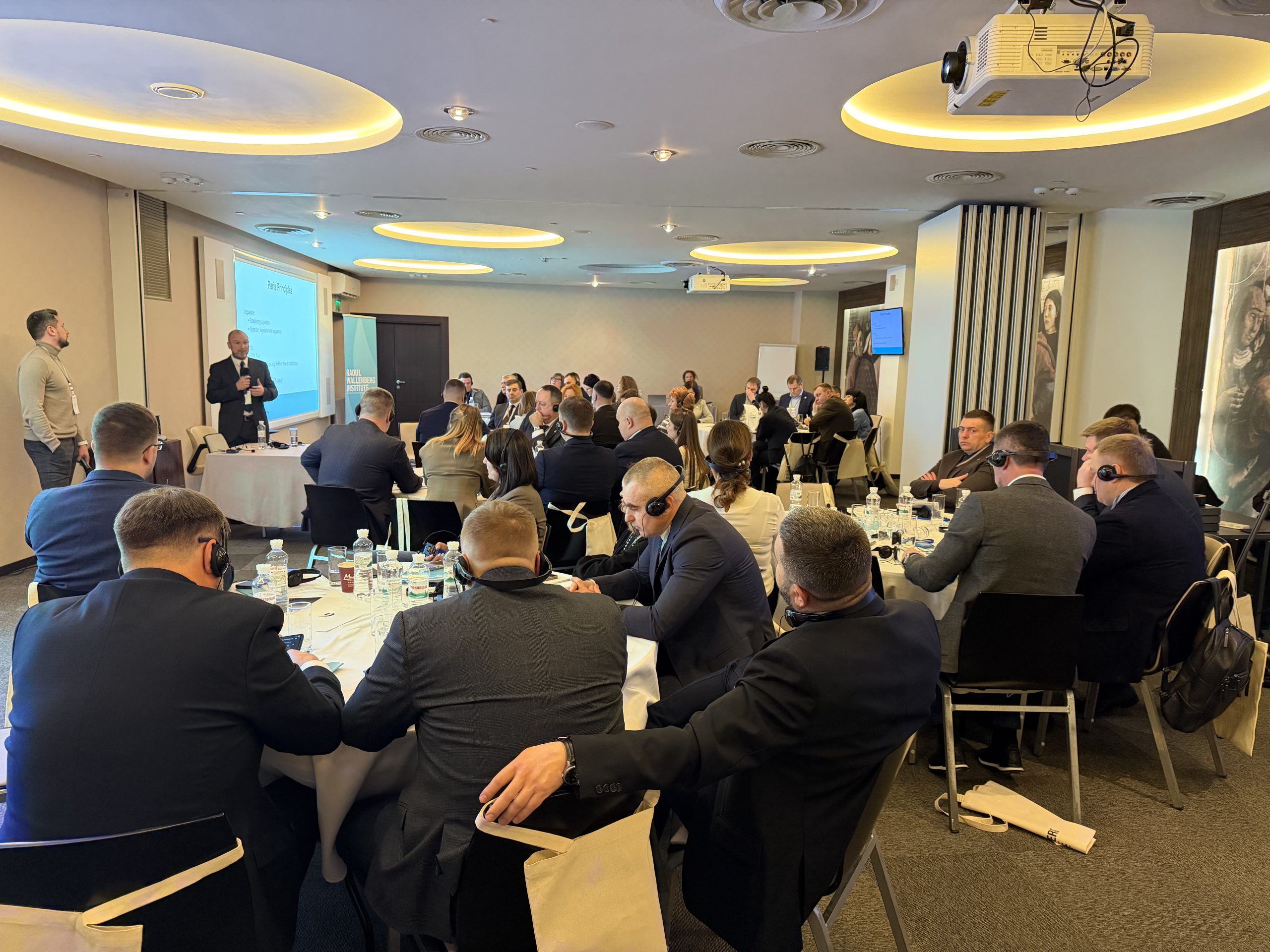
The second day of the training focused on the intersection of artificial intelligence and human rights. Sessions introduced participants to the fundamentals of AI in accessible terms, including how AI systems function, common misconceptions, and practical examples of their use in public administration.
Sue Ann Teo, RWI Researcher and expert on artificial intelligence, digital technologies, and human rights, delivered a presentation titled “Engagement by NHRIs on AI-Related Human Rights Issues.”
Further discussions explored the potential risks of AI use in public institutions and the “red lines” where AI applications may pose threats to human rights. Participants also examined legislative and ethical frameworks governing AI, including the current state of AI regulation in Ukraine, the protection of personal and sensitive data, and questions of accountability when AI systems produce errors or harmful outcomes.
As Mr. Lubinets noted, artificial intelligence is “not just a technology, but a new challenge for human rights,” underscoring the particular relevance of the issue for the Ombudsman institution given its responsibility for protecting personal data and responding to emerging technological risks.
Outcomes
In closing the two-day training workshop, Mr. Lubinets highlighted the value of engaging with national and international experts and strengthening cooperation with networks such as GANHRI and the wider European community of national human rights institutions. He stressed that the protection of human rights today is not only a national responsibility, but a shared international commitment.
Through the exchange of experiences and international best practices, the training contributed to enhancing institutional management approaches and supporting more unified leadership practices within the UPCHR structure. It also equipped participants with a better understanding of emerging technological developments, including the opportunities and risks associated with artificial intelligence, and how these may affect the work of national human rights institutions.
About the Programme
The HRIU: Human Rights Infrastructure for Ukraine 2025–2027 Programme supports Ukraine’s recovery and its European Union accession process through a human rights–based approach. The programme seeks to strengthen the capacity of key Ukrainian institutions and local actors to integrate and apply international human rights standards in governance, justice, and recovery efforts.
Read more about RWI’s work in Ukraine: Our work in Ukraine – The Raoul Wallenberg Institute of Human Rights and Humanitarian Law
Read more about RWI’s work with the Ukrainian Parliament Commissioner for Human Rights: Our work with the Ukrainian Parliament Commissioner for Human Rights – The Raoul Wallenberg Institute of Human Rights and Humanitarian Law
This workshop was made possible with the generous support of the Swedish International Development Cooperation Agency (SIDA). RWI acknowledges their commitment to strengthening human rights capacity in the region.