
By Clemence Velon-Bazzana, Communication Associate
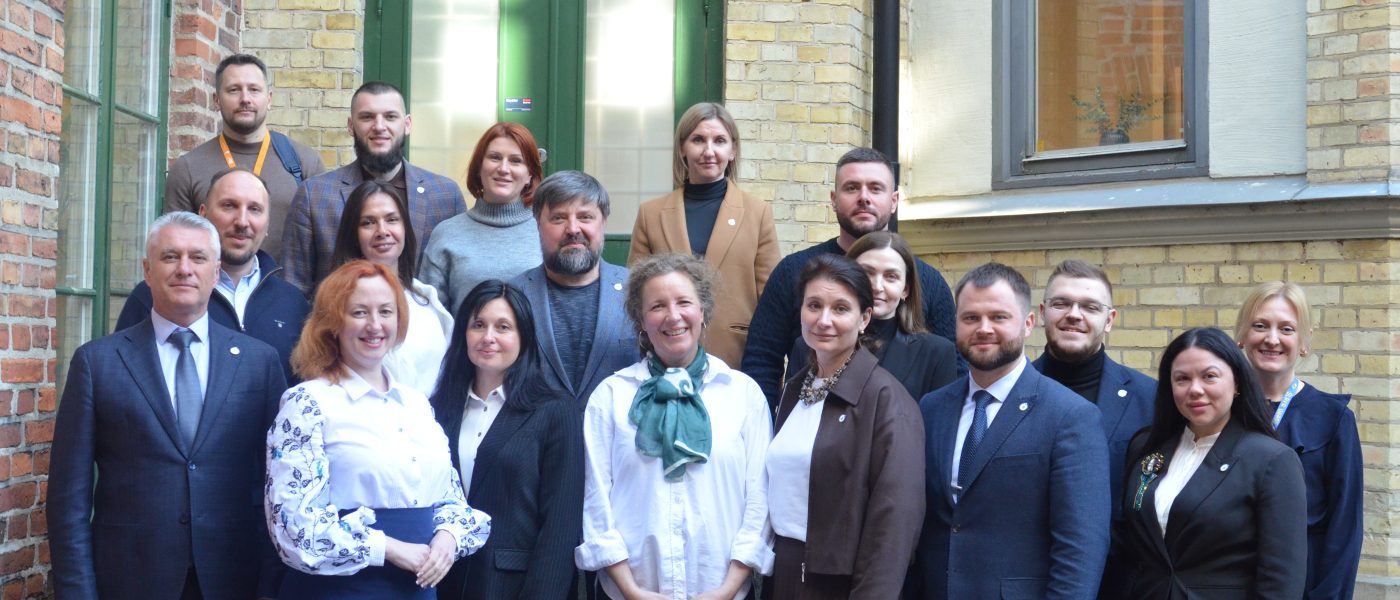
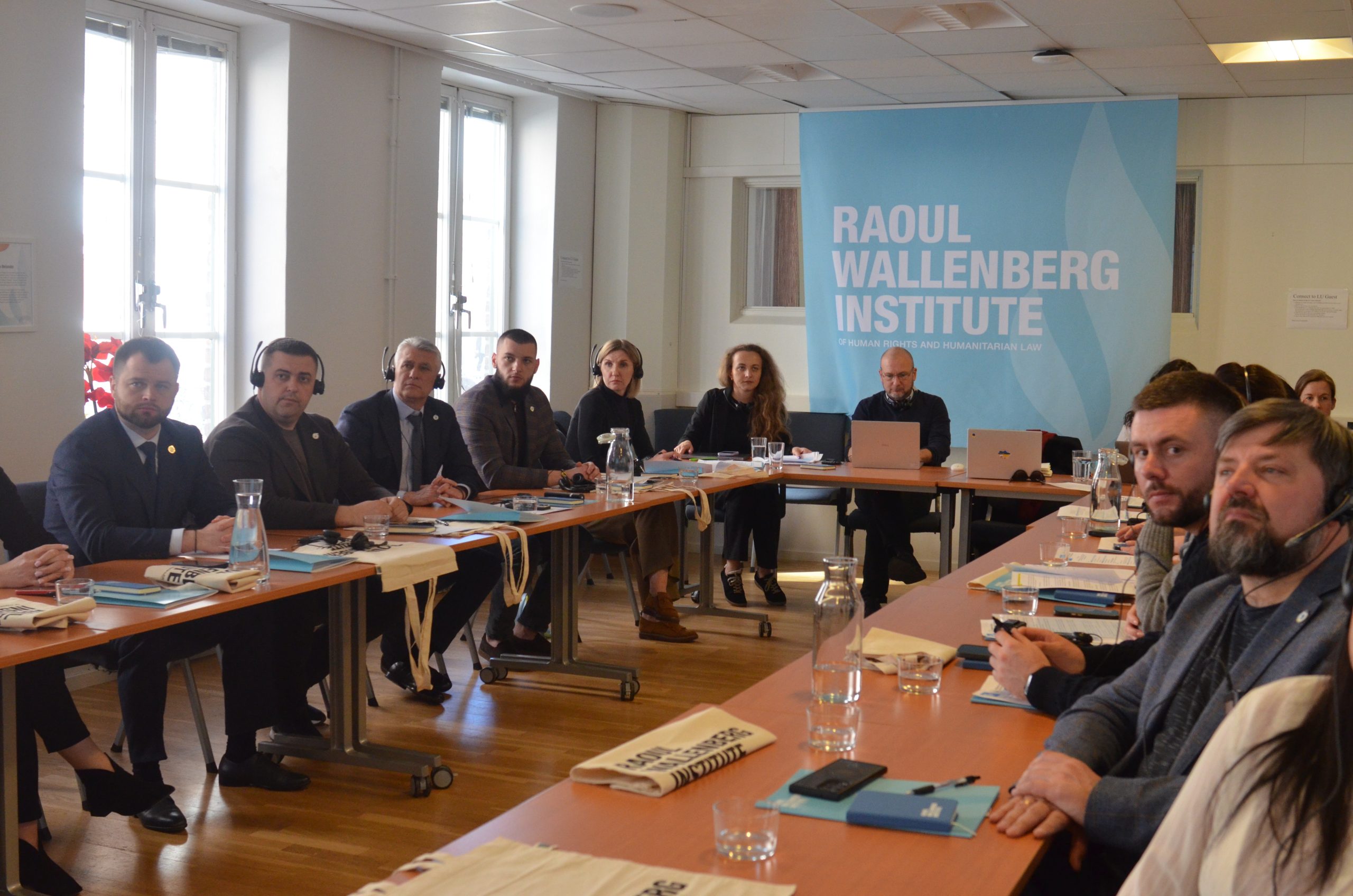
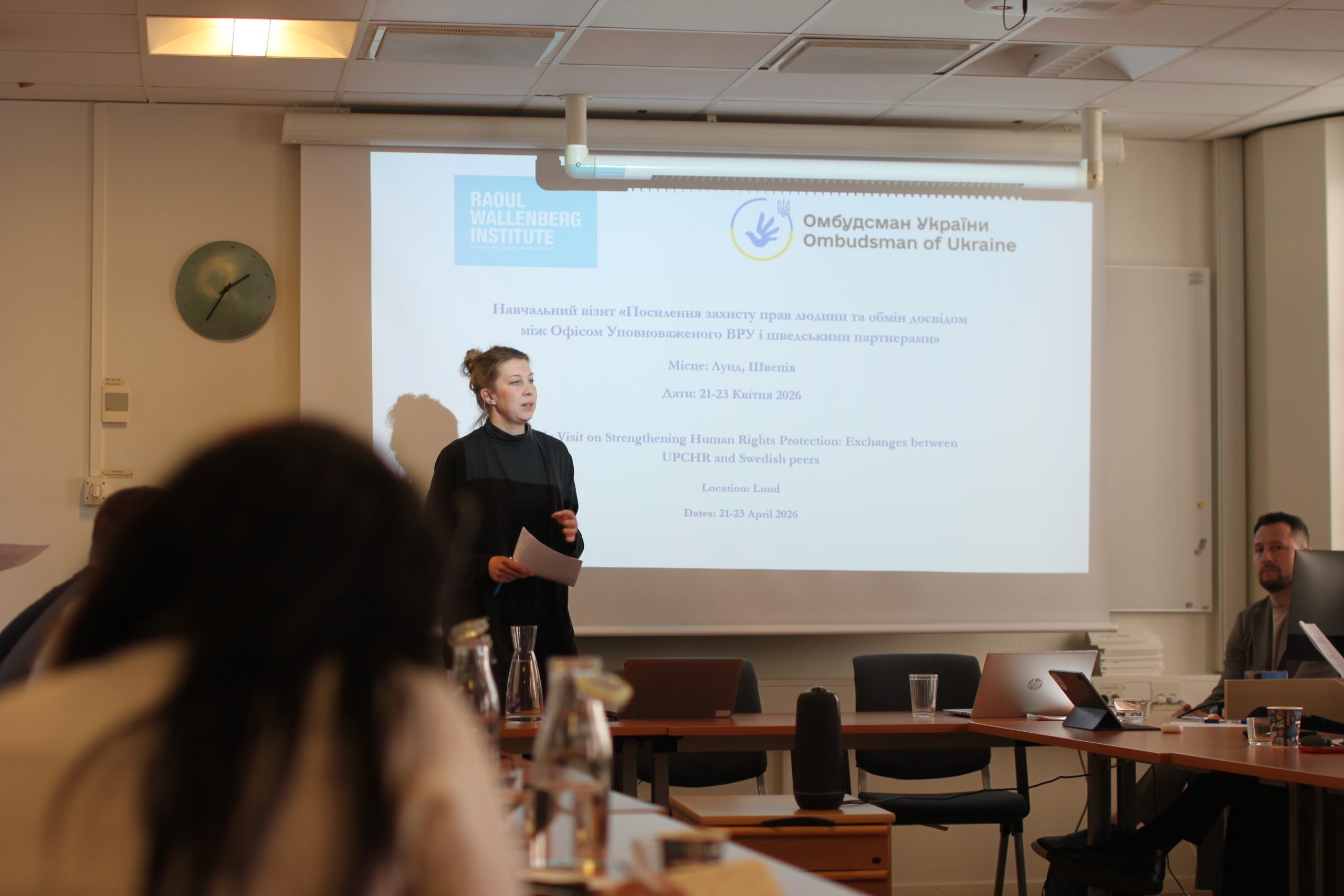
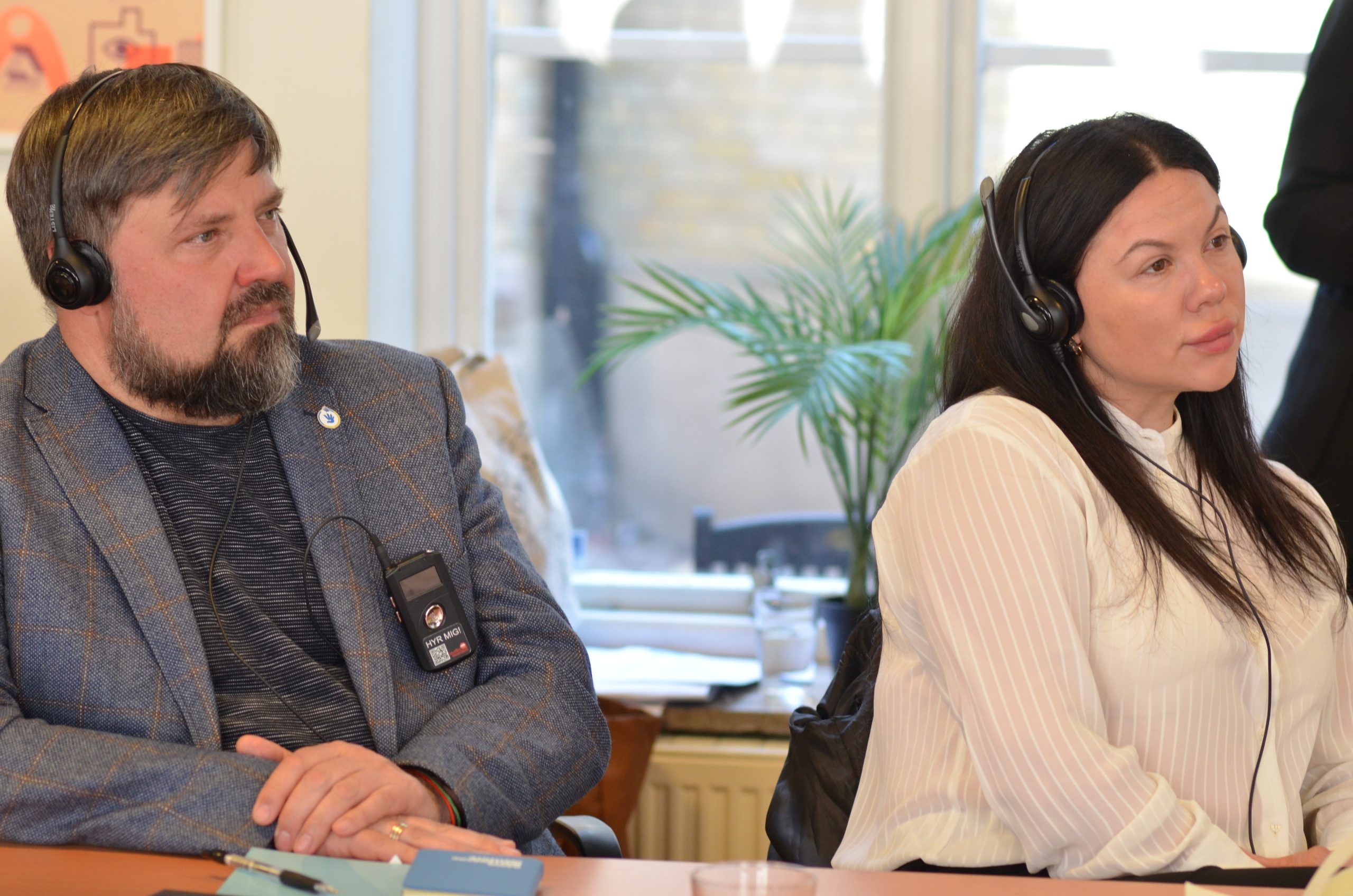
A delegation of the Office of the Ukrainian Parliamentary Commissioner of Humman Rights (UPCHR) participated in a three-day study visit in Lund, organised by the Raoul Wallenberg Institute. Part of the “HRIU: Human Rights Infrastructure for Ukraine 2025-2027” Programme, funded by the Swedish International Development Cooperation Agency (Sida), the study visit included meetings with key Swedish institutions such as the Swedish Institute for Human Rights, Lund Municipality, Lund University, and the Danish Institute for Human Rights as well as workshops with RWI experts.
Lund as a hub for human rights work
The visit brought together regional representatives and staff of the UPCHR to exchange with Swedish and Danish counterparts on the practical implementation of human rights in the context of Ukraine. The different sessions covered major themes such as the role of National Human Rights Institutions (NHRIs) during crisis and conflicts, human rights and artificial intelligence, the implementation of the Convention on the Rights of Persons with Disabilities (CRPD), and human rights work at regional and local levels.
As a recognised Human Rights City, the city of Lund houses the Swedish NHRI (Institute for Human Rights) and the Lund Human Rights Research Hub at Lund University, while also being the location for RWI’s headquarters. Therefore, this in-person visit provided UPCHR with practical insights into how human rights principles can be implemented at the municipal level.
“It is crucial to participate right now, as this helps to gain valuable experience on the path to EU accession, as well as to network internationally with colleagues who are studying the work of ombudsman institutions during conflict, in order to exchange experiences and gain additional tools from other countries to help protect human rights, and to serve as Ukraine’s voice in drawing attention to the situation in Ukraine’s frontline regions and finding like-minded partners in defending the rights of Ukrainians abroad. Exchange of experience helps to strengthen capacity of regional team to protect human rights, including those of vulnerable population” – Olena Sibilyova – Regional Representative of the Commissioner in Kharkiv Region
A reminder of the importance of international cooperation
Ukrainian institutions now face important challenges, including documenting war-related violations, addressing the protection needs of internally displaced persons, and monitoring sensitive issues such as mobilisation practices, all while operating under conditions of insecurity, infrastructure disruption, and increased public pressure.
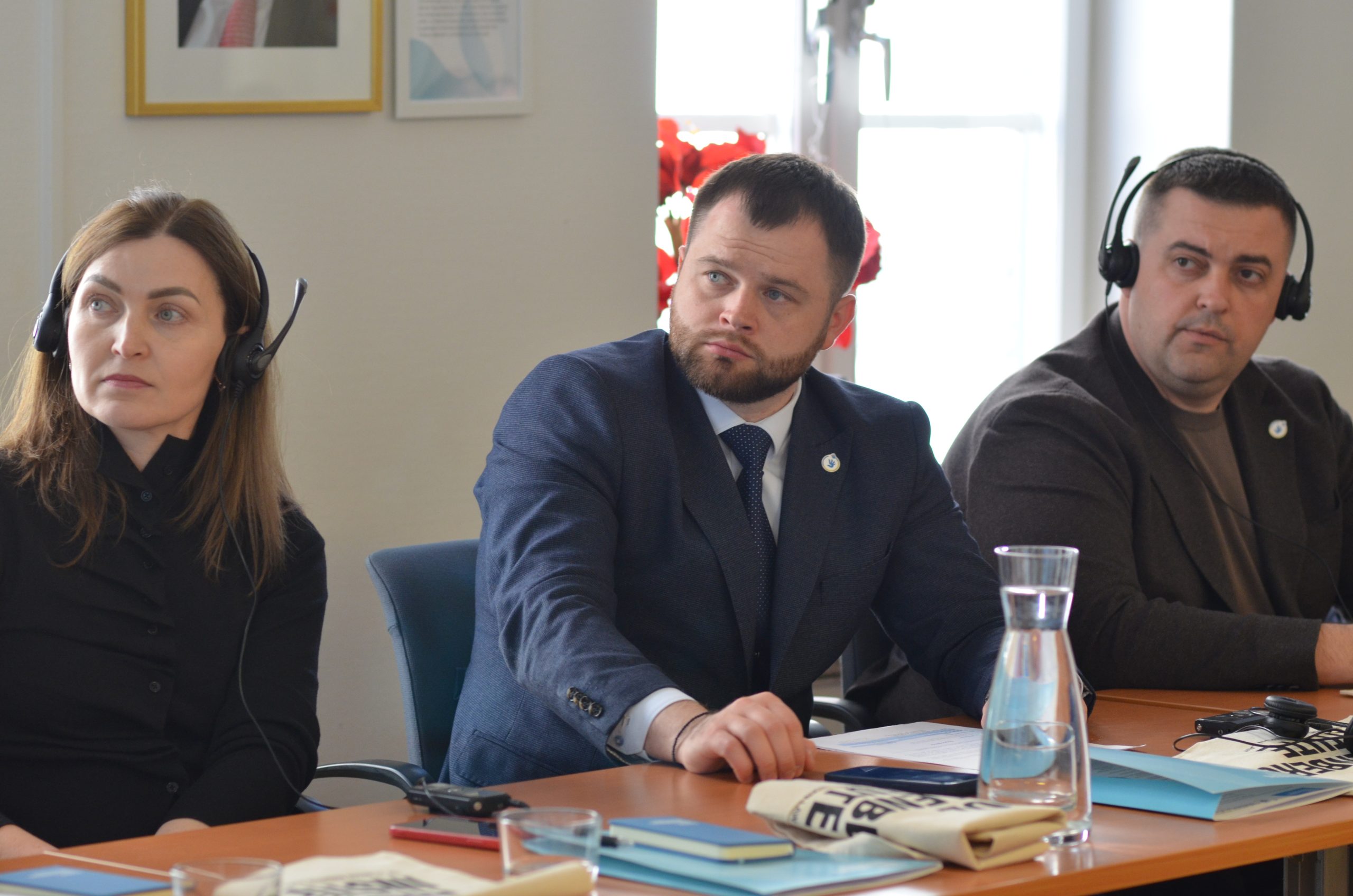
Strengthening institutional capacity, safeguarding independence, and improving follow-up mechanisms for the implementation of recommendations remain key priorities for enhancing the effectiveness of the UPCHR, particularly in the context of wartime governance, recovery, and Ukraine’s European integration process.
“Study visits organised by our Partners and friends – RWI – are especially meaningful for Ukrainians during this time of war. Beyond professional exchange, they are a reminder that Ukraine is not facing these challenges alone. They create space for genuine partnership between National Human Rights Institutions, where experts can share experience, learn from one another, and build solutions together” – Natalia Andriichuk – Advisor to the Commissioner for International Cooperation
Through the workshops and dialogue, UPCHR explored practical approaches to translating legal framework into effective action and one of the key outcomes is the development of a concrete, needs-based action plan which will serve as a guide in improving UPCHR’s monitoring and enforcement mechanisms, as well as expanding regional outreach efforts. Via different exercises, the study visit also explored emerging challenges, including the impact of new technologies on human rights work, and tried to identify next steps in the implementation of a Human Rights Based-Approach (HRBA) in Ukraine.
“This study visit to Lund — a recognised Human Rights City — has been an important opportunity for my professional development and exchange of experience. It is particularly valuable to better understand how modern challenges, including the development of artificial intelligence, are shaping human rights and the work of human rights institutions. The knowledge gained will be put into practice to strengthen our approaches to monitoring, analysis, and response to human rights violations, especially in the context of new technological challenges” – Artem Cherniak – Chief Specialist, Regional Offices Support Unit in Rivne Region
Main takeaways
Following a structured programme, the study visit achieved the following results:
- Gave the participants a deeper understanding of international best practices for implementing and monitoring human rights policies and strategies in practice;
- Strengthened networks, opening opportunities for ongoing collaboration and support;
- Developed a practical, needs-based roadmap to guide UPCHR’s efforts in strengthening monitoring, enforcement, and regional outreach mechanisms;
- Improved human rights protection, leading to more effective implementation of policies and practices that safeguard the rights and freedoms of Ukrainian citizens.
“The main takeaway from Lund is simple: human rights institutions draw strength from one another. Ukraine is not only defending its territory — it is defending a model of governance in which human rights have a guardian that answers to no government and fears no crisis. We leave this study visit with new tools, new connections, and a stronger sense that we are not doing this work alone. That is precisely why partnerships like this one, made possible by the Raoul Wallenberg Institute, matter so much today” – Taras Podvirnyy – Regional representative of the Commissioner in Lviv Region
Through peer-to-peer exchanges, discussions, and reflection sessions, these three days equipped participants with practical tools and insights into effective models of human rights implementation. The visit contributed to strengthening the UPCHR’s role as an independent and effective institution, capable of advancing human rights protection with commitments to rule of law, transparency, and human rights as part of its broader EU integration process.