Information about the conference will be uploaded soon.
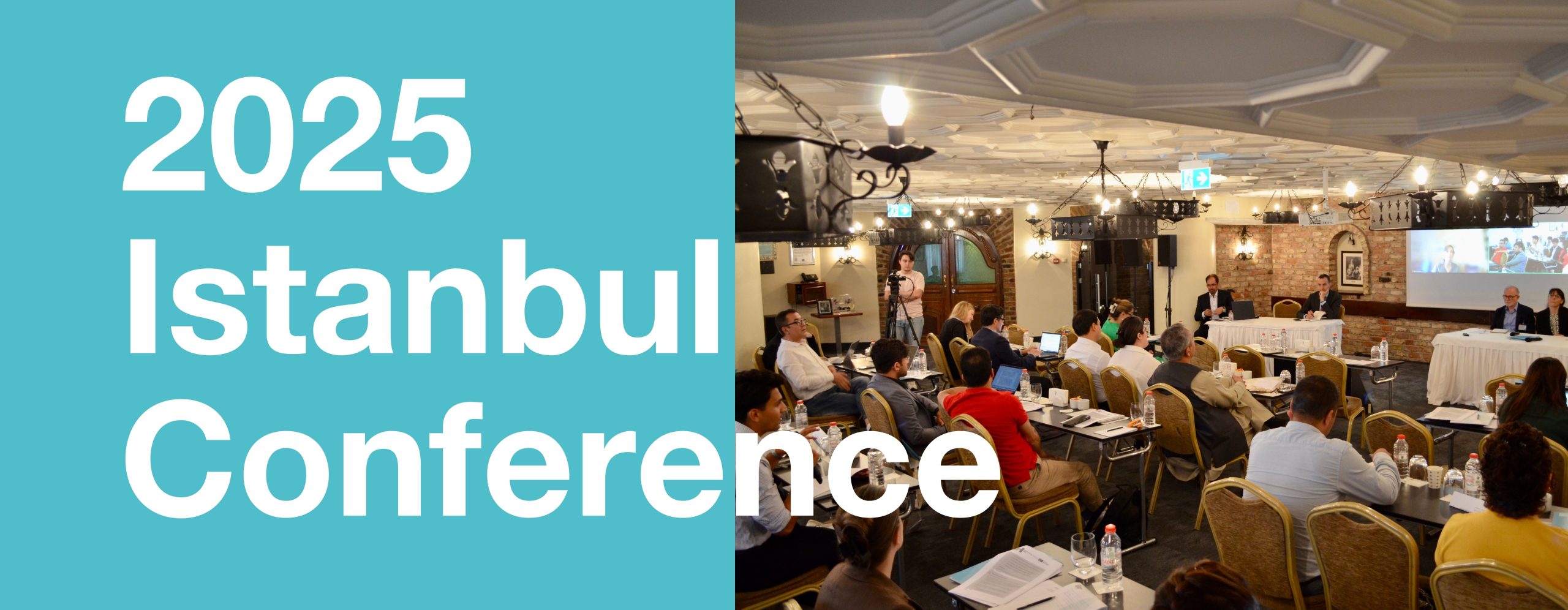
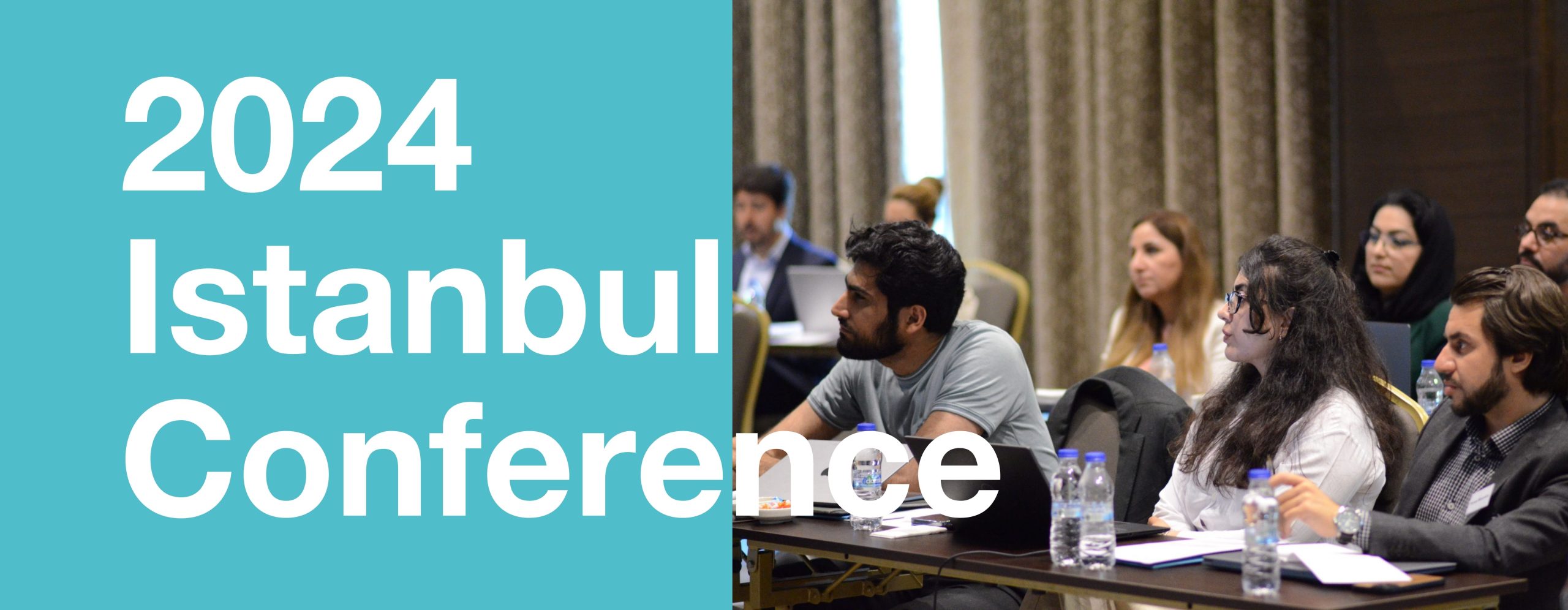
RWI organized a research conference on June 23 -27 in Istanbul – Türkiye focusing on transitional justice and minority rights in Afghanistan. The conference aimed to foster interdisciplinary dialogues and knowledge exchange, bridging academic research with practice solutions. While also drawing on comparative experiences from other contexts to offer relevant insights and lessons. By bringing together scholars, researchers, and practitioners, the event aimed to foster meaningful dialogue, share best practices, and develop actionable strategies to advance justice and inclusion in Afghanistan.
The event featured keynote speeches, panel discussions, and presentations by academics, scholars specialized in Afghanistan, technical experts, practitioners in transitional justice, and policymakers. Discussions centered on transitional justice, minority rights and inclusion, the intersection of transitional justice and minority rights, the interplay of gender, justice, and inclusion, as well as comparative experiences with human rights and transitional justice models, both past and present.
The conference brought together 49 interdisciplinary scholars, academics, researchers and practitioners both in-person and online. This report synthesizes the conference proceedings and closes with a set of actionable recommendations presented by the academics and scholars after in-depth deliberation with practitioners on future of transitional justice and minority rights in Afghanistan.
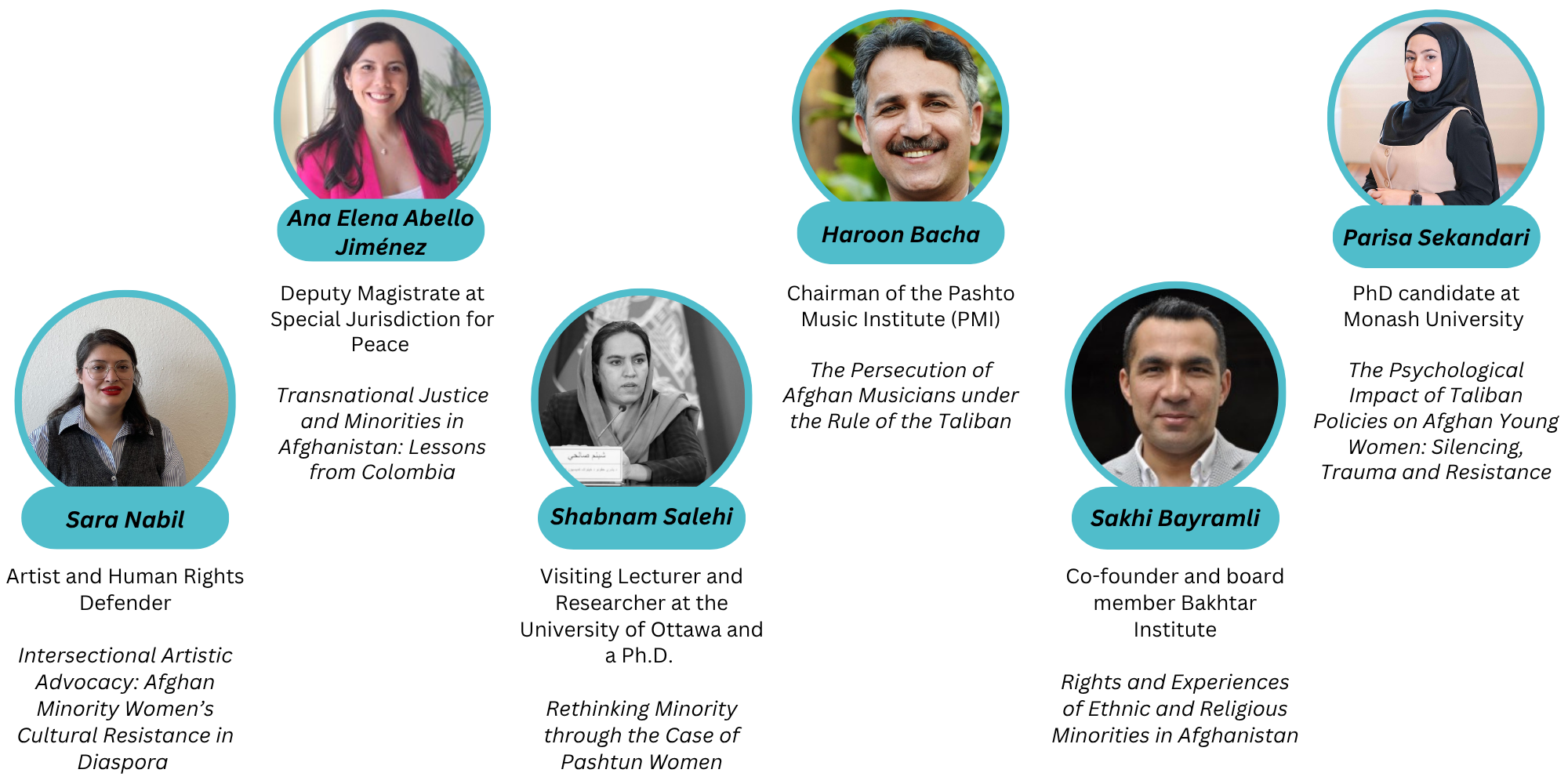
Voices of our participants


Summary
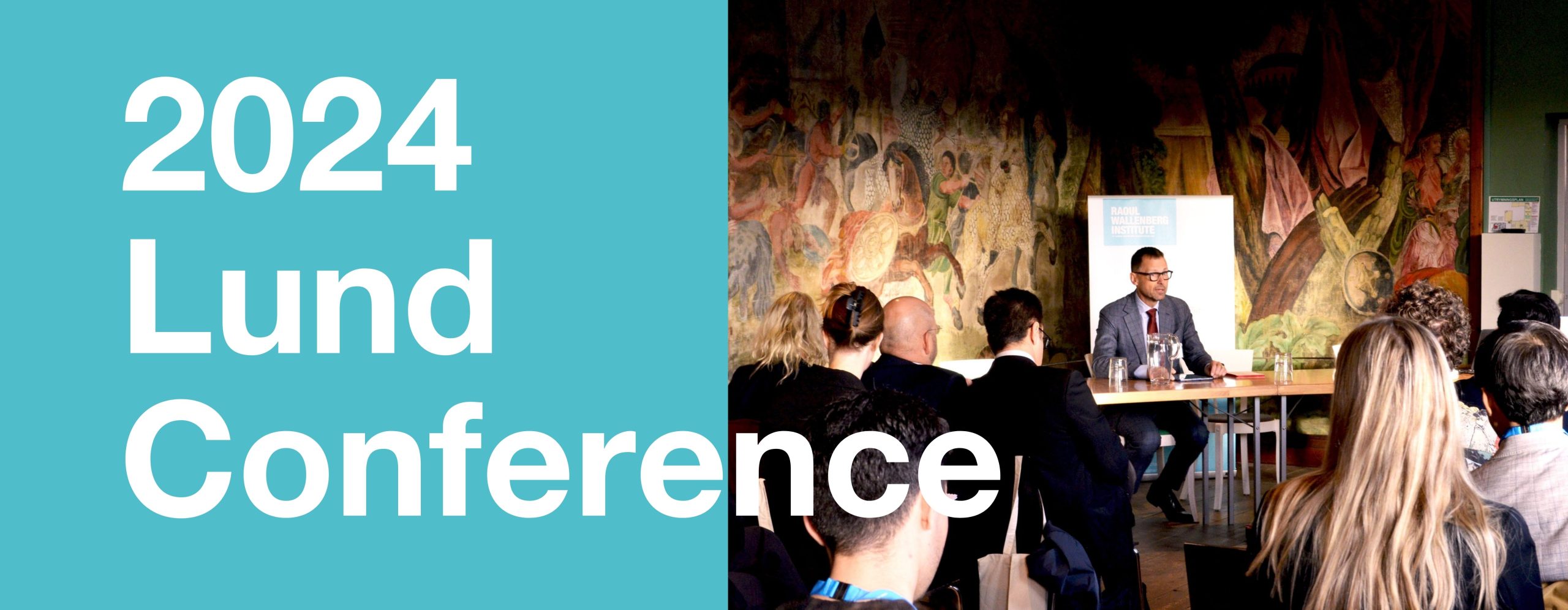
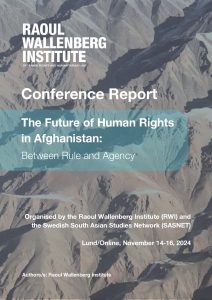
In collaboration with the Swedish South Asian Studies Network (SASNET) of Lund University, RWI organized a research conference in Lund and online from November 14–16, 20. The conference aimed to explore key human rights challenges in Afghanistan, encourage interdisciplinary dialogue, and provide a platform for Afghan scholars and experts to exchange ideas and network. The event featured keynote speeches, panel discussions, and presentations by academics, civil society actors, and policymakers. Discussions covered themes such as accountability for human rights violations, freedom of expression, humanitarian aid, gender apartheid, education, and the intersection of political economy and human rights. The conference also examined the challenges facing Afghan civil society, the role of the diaspora in advocacy, and the struggles of marginalized groups, particularly the Hazara community.
A total of 63 participants attended in a hybrid format, representing diverse academic institutions, international organizations, and civil society groups. Women comprised 51% of the participants, ensuring a gender-balanced group.
The conference in pictures


Read about the conference report
Summary
The aim of the conference was to explore new and emerging perspectives on key human rights issues in Afghanistan, as well as to provide a space for Afghan scholars and experts to engage in an interdisciplinary dialogue, network, and exchange of information (see Annex 2 for the Concept Note and Call for Proposals).
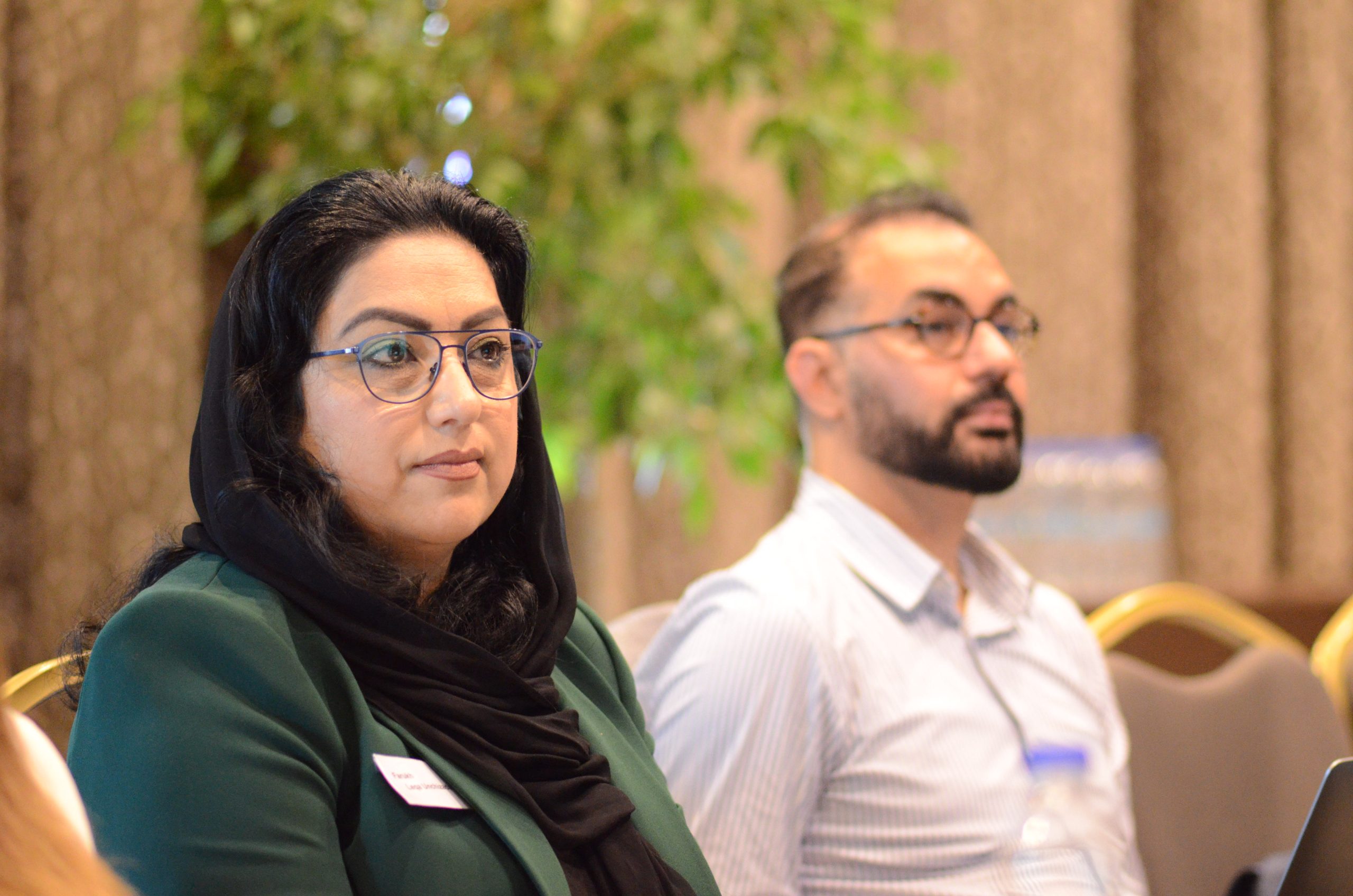
The conference counted on 44 participants in a hybrid set-up with both online and in person participation. The majority of the participants represented researchers and experts from wide range of academic institutions and disciplines. The conference also included representatives of international and civil society organisations as presenters and discussants, such as Amnesty International, the Office of the High Commissioner for Human Rights, MADRE, among others.
The conference in pictures




Read about the conference report