
By Yeva Borovyk, Project Administrator
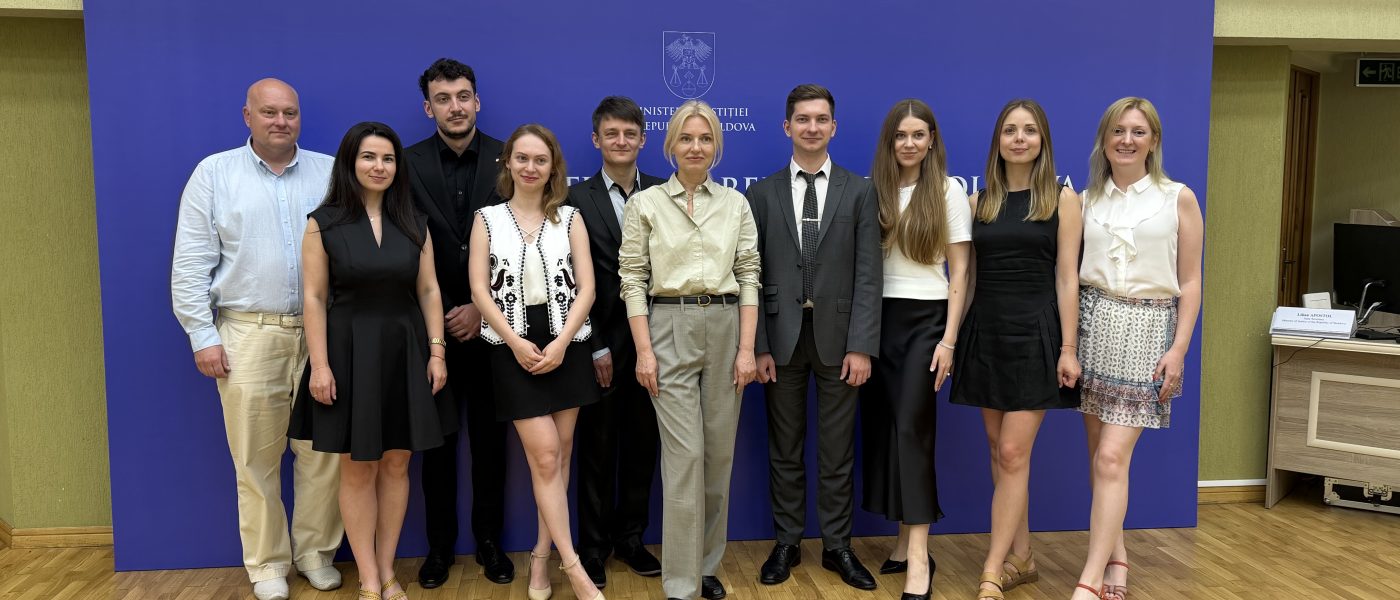
On 1-2 July 2026, the Raoul Wallenberg Institute of Human Rights and Humanitarian Law (RWI) organized a study visit for the Ministry of Justice of Ukraine to Chișinău, Republic of Moldova for a peer-to-peer exchange of experience with the Ministry of Justice of Republic of Moldova on implementation of Chapter 23 of the EU Negotiations Framework – Judiciary, Anti-corruption and Fundamental Rights. The two-days agenda brought together Moldovan and Ukrainian officials for a serie of working sessions focusing on institutional coordination, interim benchmarks, implementation of ECtHR judgments, human rights strategic documents, legal approximation, monitoring systems, and staff retention within European integration units.
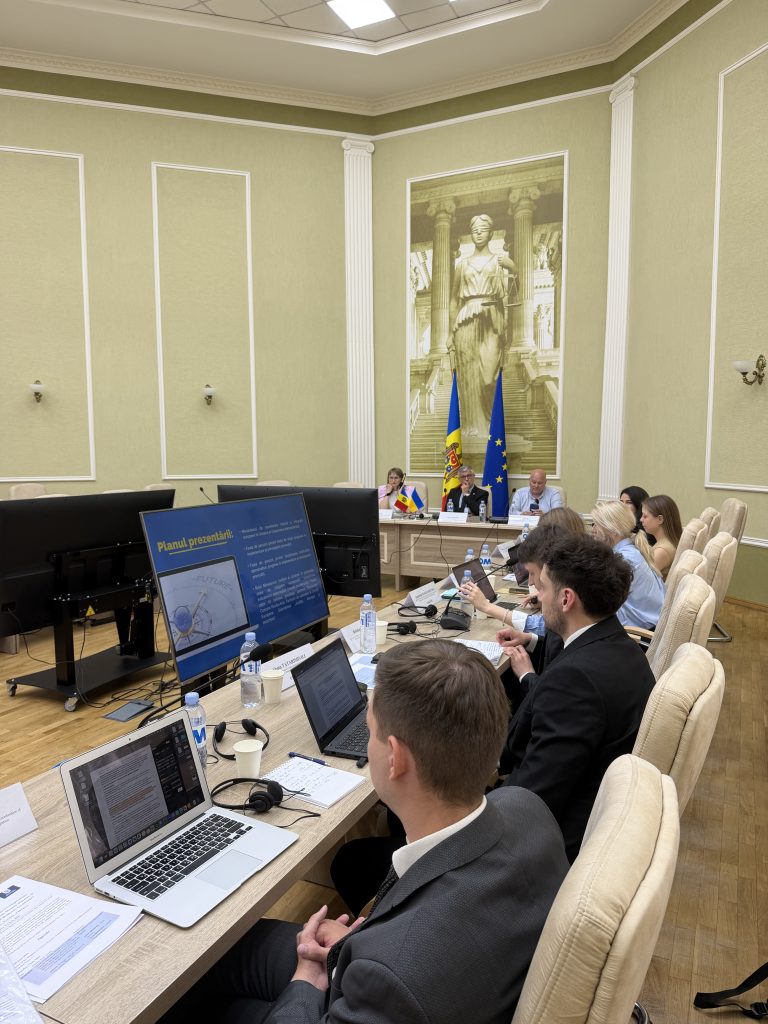
In his welcome address, Ministry of Justice of Republic of Moldova’s State Secretary Lilian Apostol encouraged both sides to move beyond formalities and work directly, transparently and with mutual trust:
“Let us be closer, forget all protocols and work directly. We will work transparently. Let us deal with our challenges, and please be open.” – Lilian Apostol
For Ukraine, the visit provided an opportunity to draw lessons from Moldova’s recent experience in coordinating Chapter 23, developing and periodically revising the National Programme for Accession, prioritising and sequencing the approximation of the EU acquis, and managing the substantial legislative workload required by the accession process. Participants also explored how Moldova coordinates responsibilities across institutions, engages the legislative and judicial branches, and ensures coherence across interconnected accession chapters. Particular attention was given to Moldova’s monitoring system for integration obligations, including the e-Monitoring Information System and other practical tools used to track implementation, verify progress, identify delays, and facilitate reporting across institutions.
The Ukrainian delegation also shared its progress on the Rule of Law and Functioning of Democratic Institutions Roadmaps, opening a discussion on similarities, differences and lessons to be learned. Participants exchanged views on the coordination and assessment of interim benchmarks, institutional capacity gaps, and the political and technical challenges involved in implementing complex reform agendas. The exchange showed that both countries are undergoing demanding reforms with a shared understanding: EU accession is not only about adopting laws and preparing action plans, but also about making reforms work in practice.

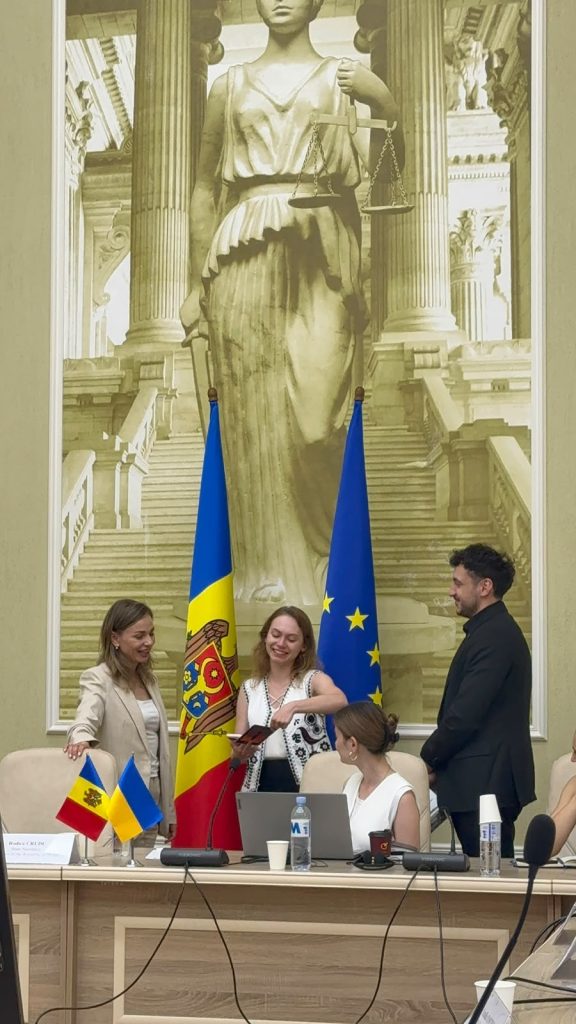
As RWI’s Ukraine Country Director Theresia Kirkemann Boesen noted during the discussions, the whole visit was a unique opportunity to bring together two ambitious EU accession states working sincerely on Chapter 23. She stressed that Chapter 23 is among the most resource-heavy and demanding chapters, because it requires not only legal analysis, new legislation and action plans, but also real implementation. As she underlined the real implementation is ultimately about institutions and people: individual police officers, judges, penitentiary officers and public officials working across the country.
The second day of the visit focused on practical implementation of key rule of law commitments. Discussions covered Moldova’s legal and institutional framework for the execution of ECtHR judgments, including the role of the Government Agent, implementation practices and ongoing legislative reforms. Participants also examined the implementation of Moldova’s National Human Rights Action Programme for 2024–2027, the institutional mechanisms for monitoring progress, and the involvement of civil society and international partners. Further exchanges addressed the role of the Centre for Legal Approximation in assessing compliance of draft legislation with the EU acquis, cross-government coordination led by the Bureau for European Integration, and the drafting of EU-related legislation in close cooperation with the European Commission. The programme concluded with an open discussion on staff retention, financial incentives, capacity-building, and the sustainability of expertise within European integration units.
Throughout the visit, the discussions kept coming back to one important point: reforms matter most when they work in practice. Whether speaking about the execution of ECtHR judgments, the Human Rights Action Programme, or legal approximation, both sides underlined that the EU accession process is not only about drafting laws or preparing plans, but also about making sure institutions can implement them and people can feel the results in everyday life.
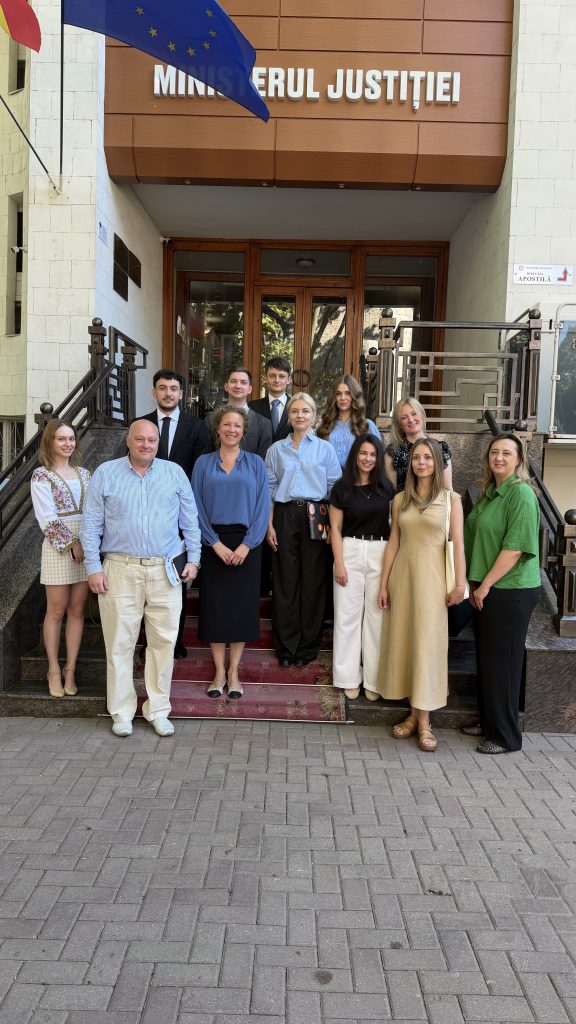
One of the strongest messages from the discussions was that Ukraine and Moldova are not walking this path alone. Both countries face demanding reforms, institutional pressure and high expectations, but they also share commitment, experience and a willingness to support each other, as both advance on their respective European integration paths.
Learn more about our work in Ukraine: https://rwi.lu.se/ukraine/