

By Halyna Kokhan, Programme Officer
On 13 February 2026, Raoul Wallenberg Institute of Human Rights and Humanitarian Law (RWI) Ukraine office Deputy Director Igor Osyka and Programme Officer Halyna Kokhan met with the representatives of the Ministry of Justice of Ukraine, including the Directorate of Strategic Planning and European Integration, Department for the Execution of Criminal Penalties, and the Penitentiary Academy of Ukraine to discuss potential areas of cooperation in support of penitentiary reform and implementation of the Rule of Law Roadmap under the “Fundamental Rights” pillar.
The meeting formed part of ongoing efforts to strengthen Ukraine’s justice and penitentiary institutions in line with European and international human rights standards in the context of the EU accession process.
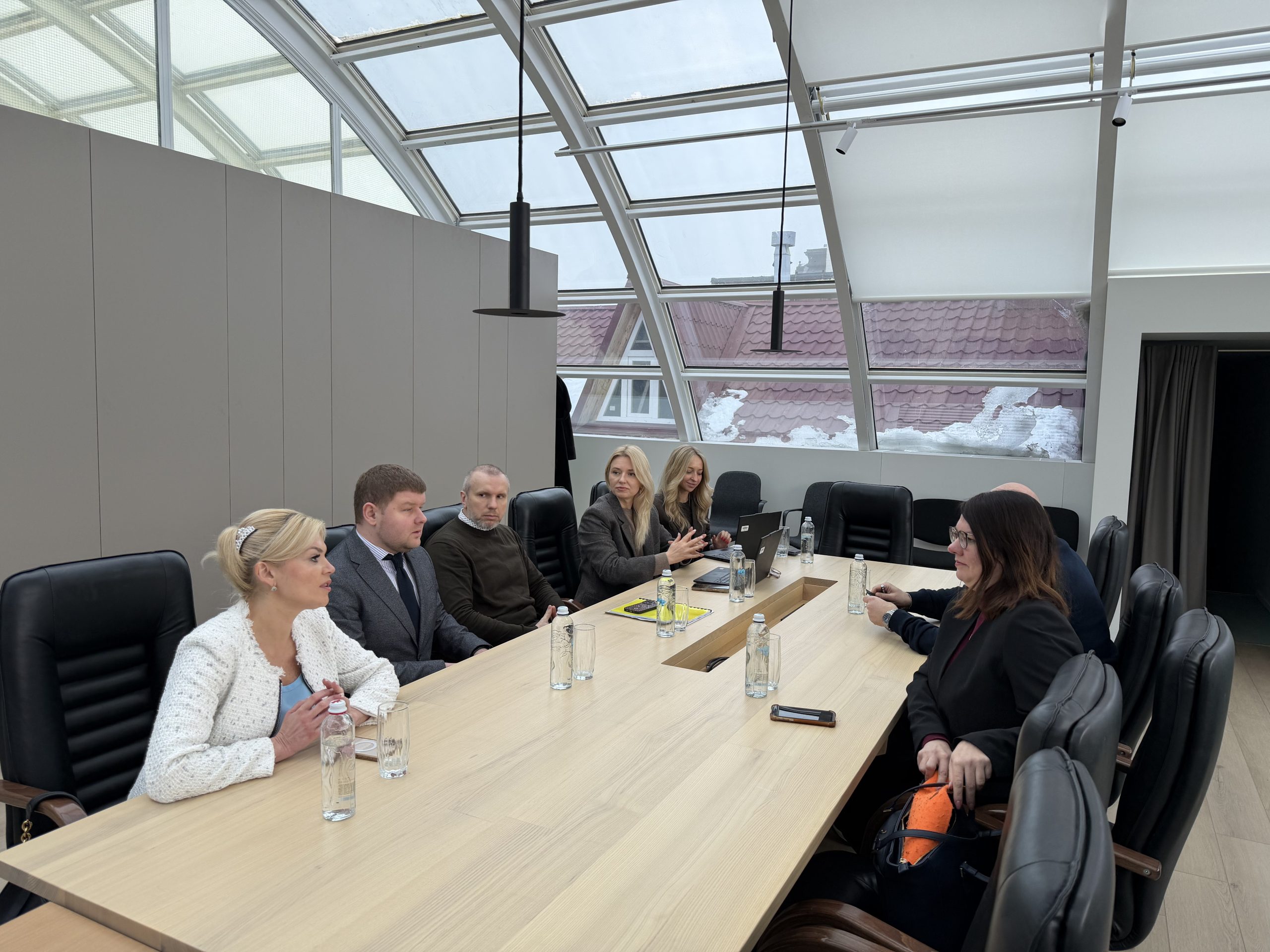
Supporting Implementation of the Rule of Law Roadmap
Adopted in 2025, the Rule of Law Roadmap outlines Ukraine’s commitments to align its justice and human rights systems with the EU acquis and Council of Europe standards. The “Fundamental Rights” block includes measures aimed at improving conditions of detention, strengthening institutional safeguards, and ensuring effective oversight within the penitentiary system as well as measures aimed at strengthening human rights and fundamental rights in other areas related to social protection, prevention of discrimination, freedom of speech and personal data protection etc.
The discussion focused on how RWI’s comparative expertise and long-term experience in supporting justice sector and penitentiary system reforms could contribute to the implementation of these commitments in a structured and sustainable manner.
From Standards to Practice: Potential Areas of Cooperation
Among the areas discussed were:
Strategic Reform Support – contributing to the development of a new Strategy for Penitentiary Reform, including preparation of a dedicated human rights chapter aligned with European and international standards.
Capacity Development and Training – strengthening professional training systems for penitentiary staff in areas of human rights protection such as detention conditions, including vulnerable groups of population, medical care, documentation practices, education and employment opportunities for detainees, use of force, and institutional security. This may include curriculum review and development of e-learning formats to ensure sustainability and accessibility as well as conducting series or ad hoc training for the penitentiary officers and cadets of the Penitentiary Academy. Another form of education support is arranging study visits to the penitentiary institutions and facilities, training centers of the EU member countries to familiarize with practical implications of the International and European standards.
Inspection and Oversight Mechanisms – supporting initiatives aimed at reinforcing internal inspection frameworks and supporting the establishment of effective monitoring procedures consistent with international standards.
Legal and Regulatory Frameworks – providing expert input on secondary legislation, translating legal norms into operational procedures, and contributing to the development of a draft Law on the establishment of a dual system of regular penitentiary inspections.
Practical Implementation Tools – developing guidance materials, information resources for detainees, and improved documentation and record-keeping systems to strengthen compliance in everyday practice.
The exchange underlined that effective penitentiary reform requires not only legislative alignment, but also institutional capacity, clear accountability mechanisms, and practical tools for implementation.
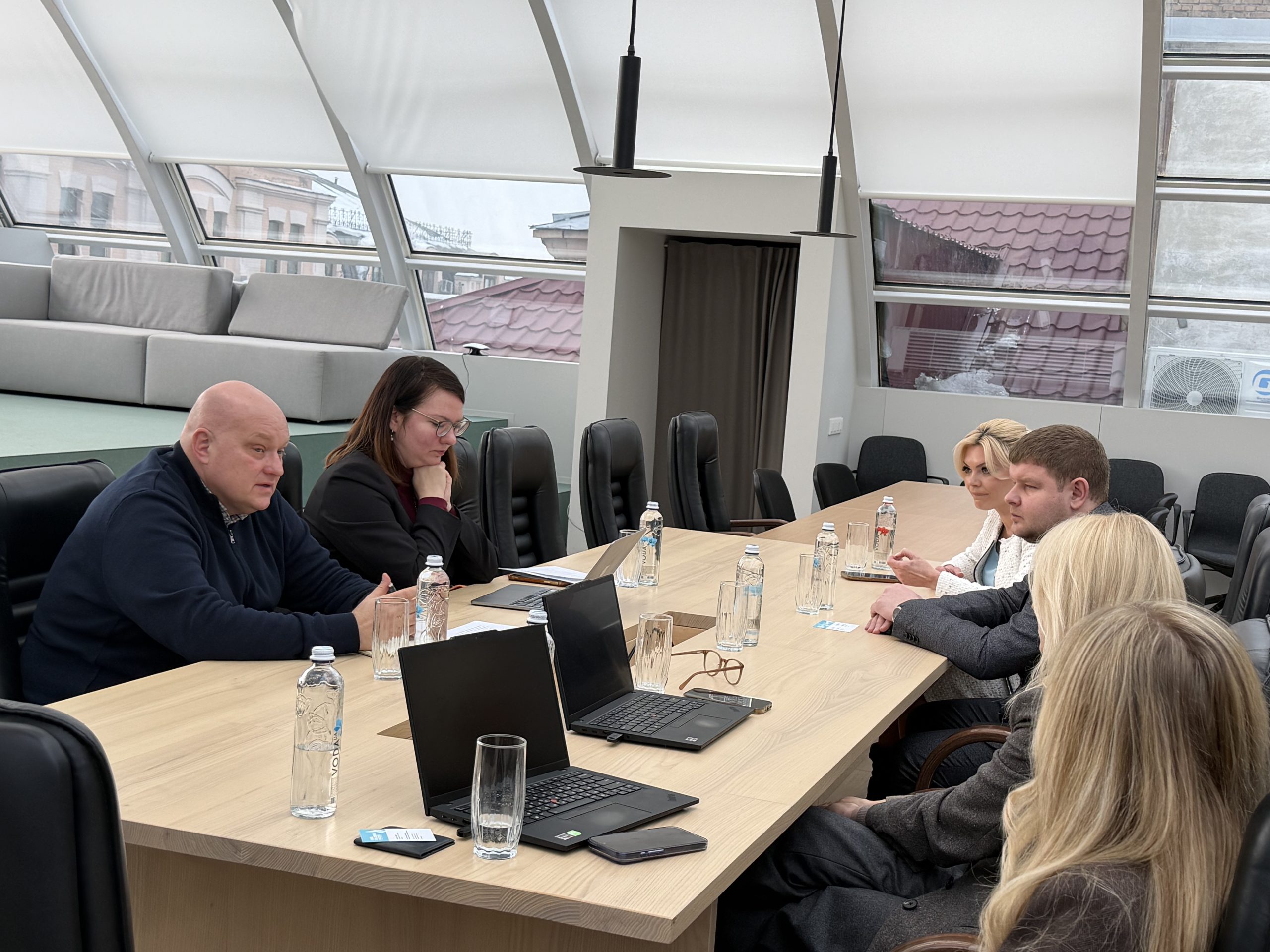
Strengthening the Human Rights Infrastructure
In addition to penitentiary reform, the meeting addressed broader cooperation within the framework of the Rule of Law Roadmap. Discussions included potential RWI support for:
Expert study aimed at enhancing the effectiveness of the execution of judgments of the European Court of Human Rights in Ukraine;
Contribution to finalization of the new National Human Rights Strategy until 2035 and its implementation plan;
Institutional capacity-building and training for Ministry of Justice officials and other authorities responsible for implementing Rule of Law Roadmap commitments.
Ad hoc expert support to development and operationalization of the Rule of Law Roadmap measures.
These discussions reflect a shared understanding that sustainable reform depends on coordinated institutional efforts, evidence-based policy development, and alignment with European standards.
RWI’s Programme in Ukraine
RWI’s engagement in Ukraine with the Ministry of Justice of Ukraine focuses on strengthening national human rights protection systems and supporting the practical implementation of international and European human rights obligations. Through legal and comparative analysis, expert advisory support, and capacity-building initiatives, RWI contributes to advancing institutional reforms and reinforcing Ukraine’s commitment to European integration.
The meeting concluded with confirmation of mutual interest in continued cooperation aimed at embedding human rights standards systematically within the justice and penitentiary systems of Ukraine.
Funders and Acknowledgments
This initiative is implemented under the RWI’s Human Rights Infrastructure for Ukraine 2025–2027 Programme (HRIU) (), funded by the Swedish International Development Cooperation Agency (Sida).
To learn more about RWI’s work in Ukraine, visit: Our work in Ukraine – The Raoul Wallenberg Institute of Human Rights and Humanitarian Law.